
Mixing Fabrics in Design
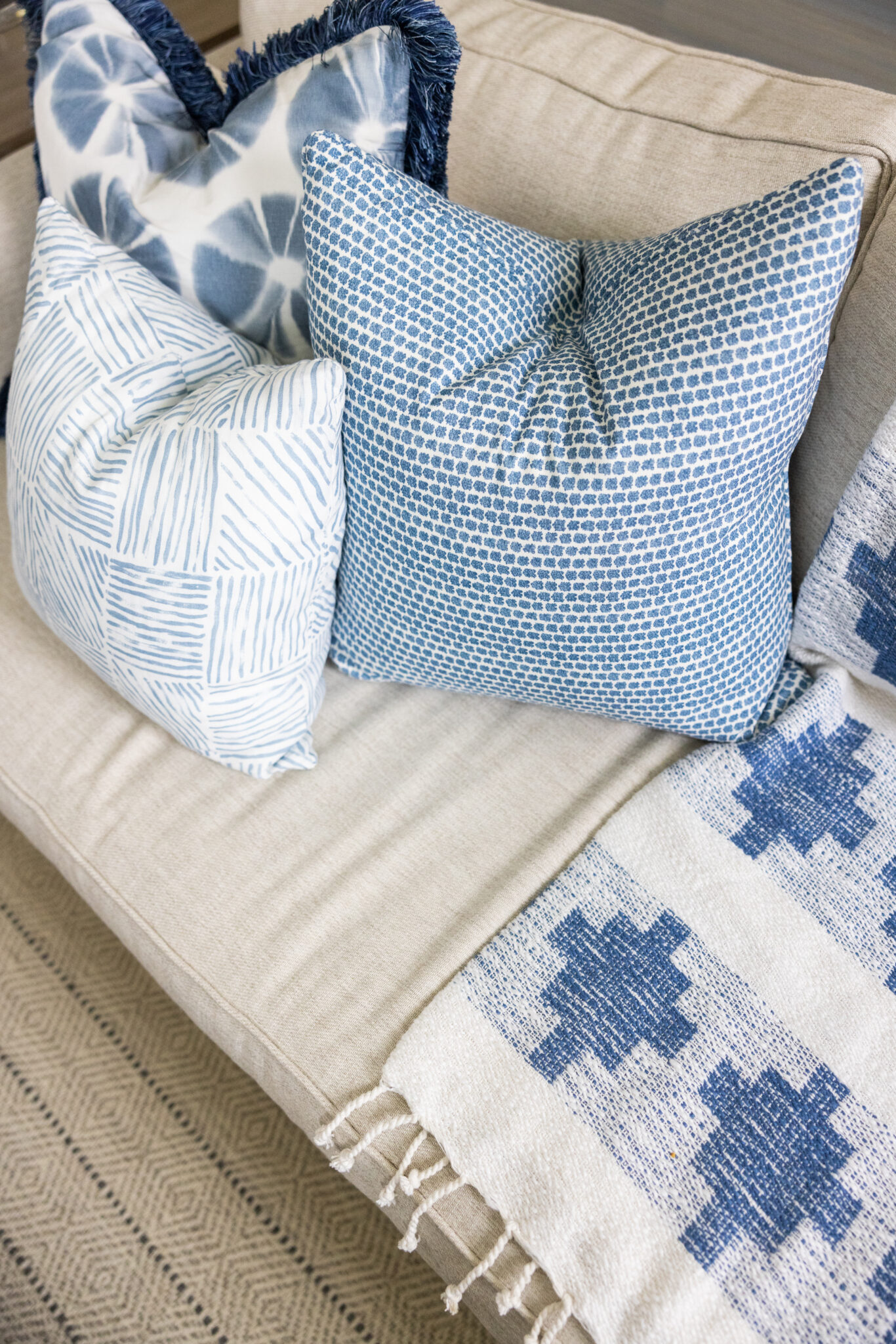
Interior Design by Krista + Home. Photography by Eve Greendale.
How We Mix Fabrics in Our Interior Designs
When it comes to interior design, one of the things we love most is playing with fabrics. There’s something so satisfying about finding the perfect combination of colors, patterns, and textures that brings a space to life. Over the years, we’ve developed a few strategies for mixing fabrics that we’d love to share.
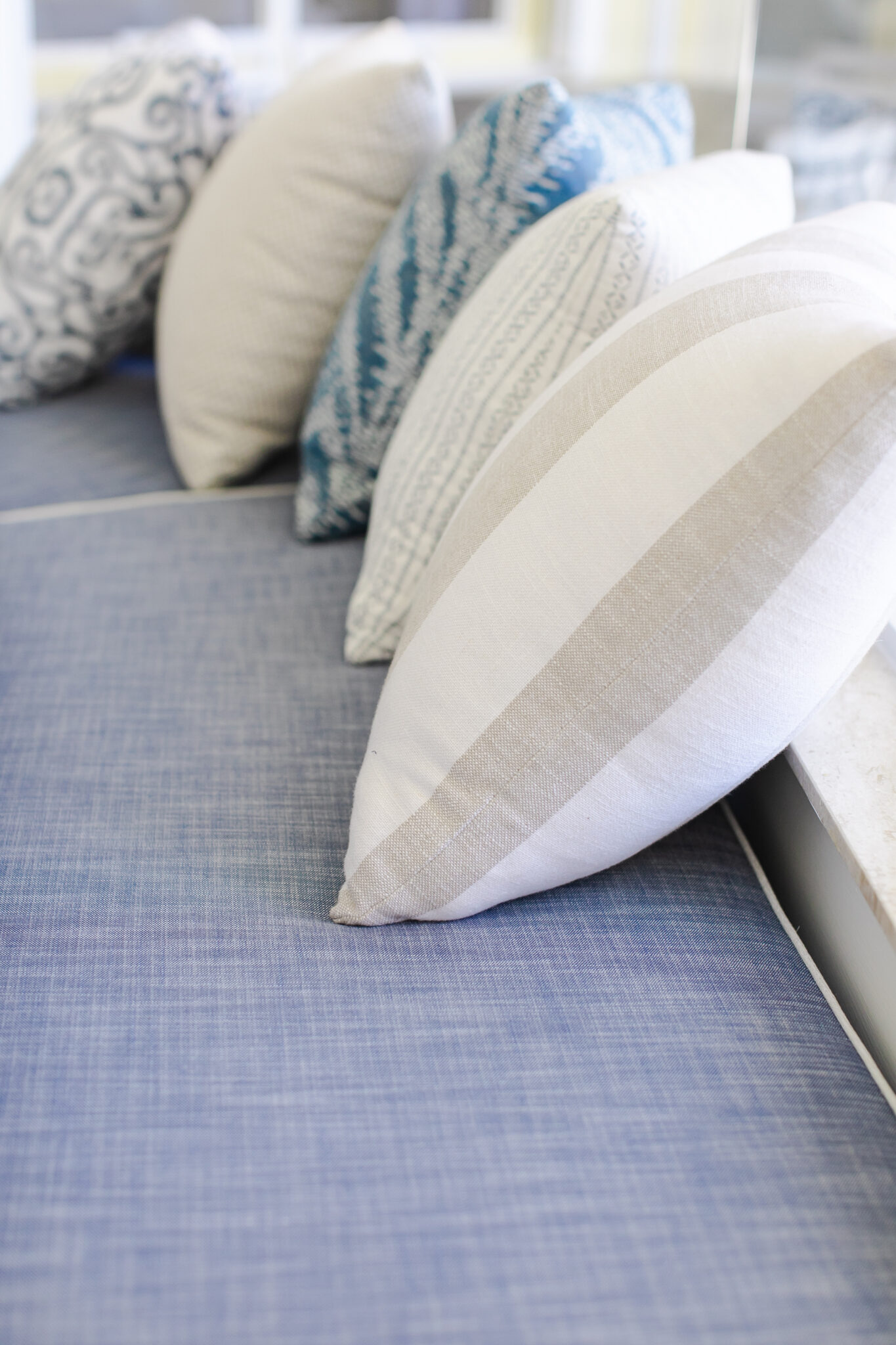
Interior Design by Krista + Home. Photography by Eve Greendale.
Starting with a Cohesive Color Palette
The first thing we always do is choose a color palette that will guide all of our fabric choices. We typically start with a few base colors—sometimes neutrals, sometimes bold shades—and build from there. The key is to make sure every fabric we select fits within this palette. This way, even when mixing different patterns and textures, the space feels unified and harmonious.
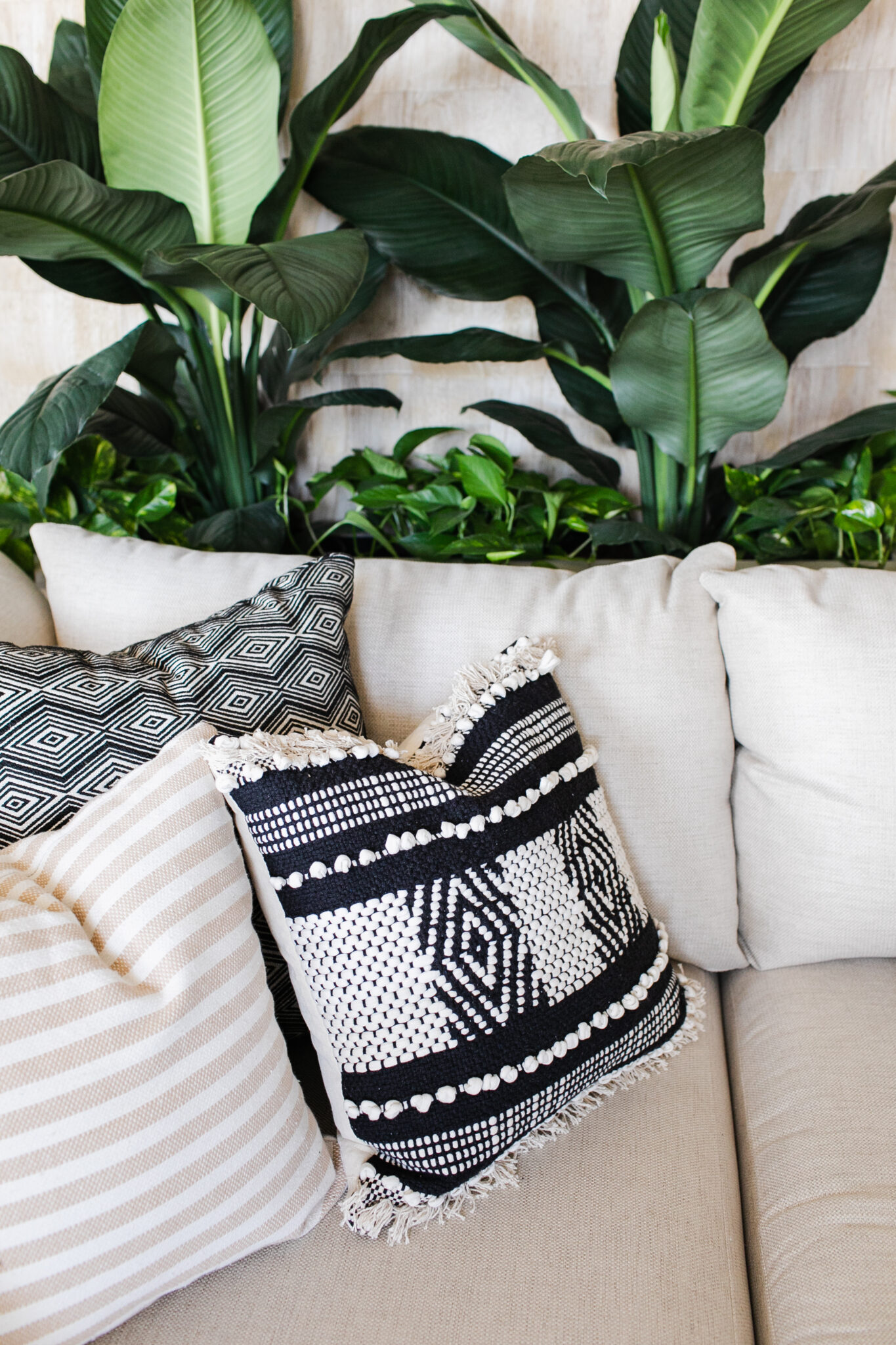
Interior Design by Krista + Home. Photography by Eve Greendale.
Mixing Patterns
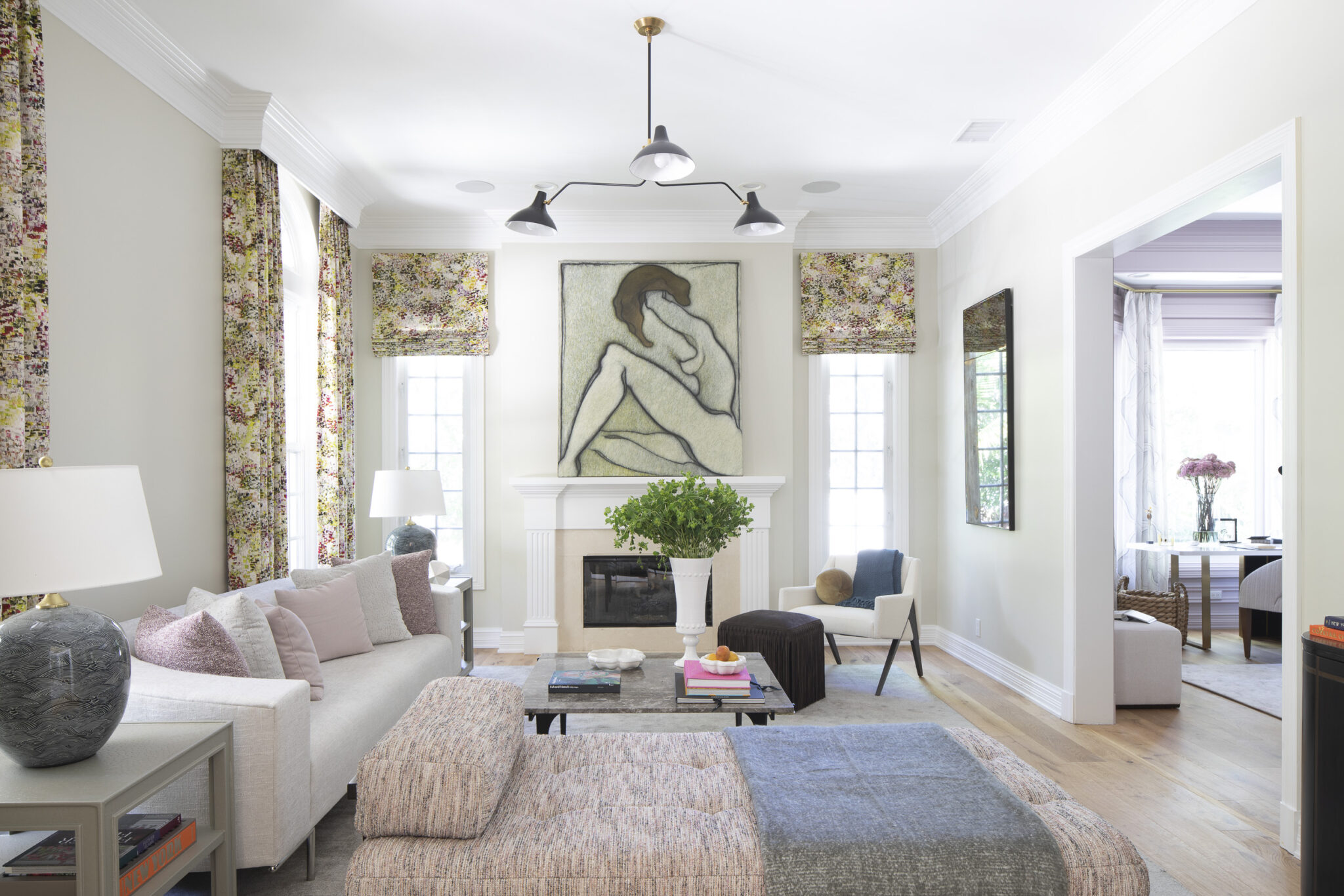
Mixing patterns is one of our favorite parts of the process. We like to combine different types of patterns—stripes, florals, geometrics, you name it. To keep things from looking chaotic, we vary the scale of the patterns. For example, we might pair a large floral print with a small, subtle stripe. This adds visual interest without overwhelming the room. Our rule of thumb is to have one dominant pattern and let the others play a supporting role.
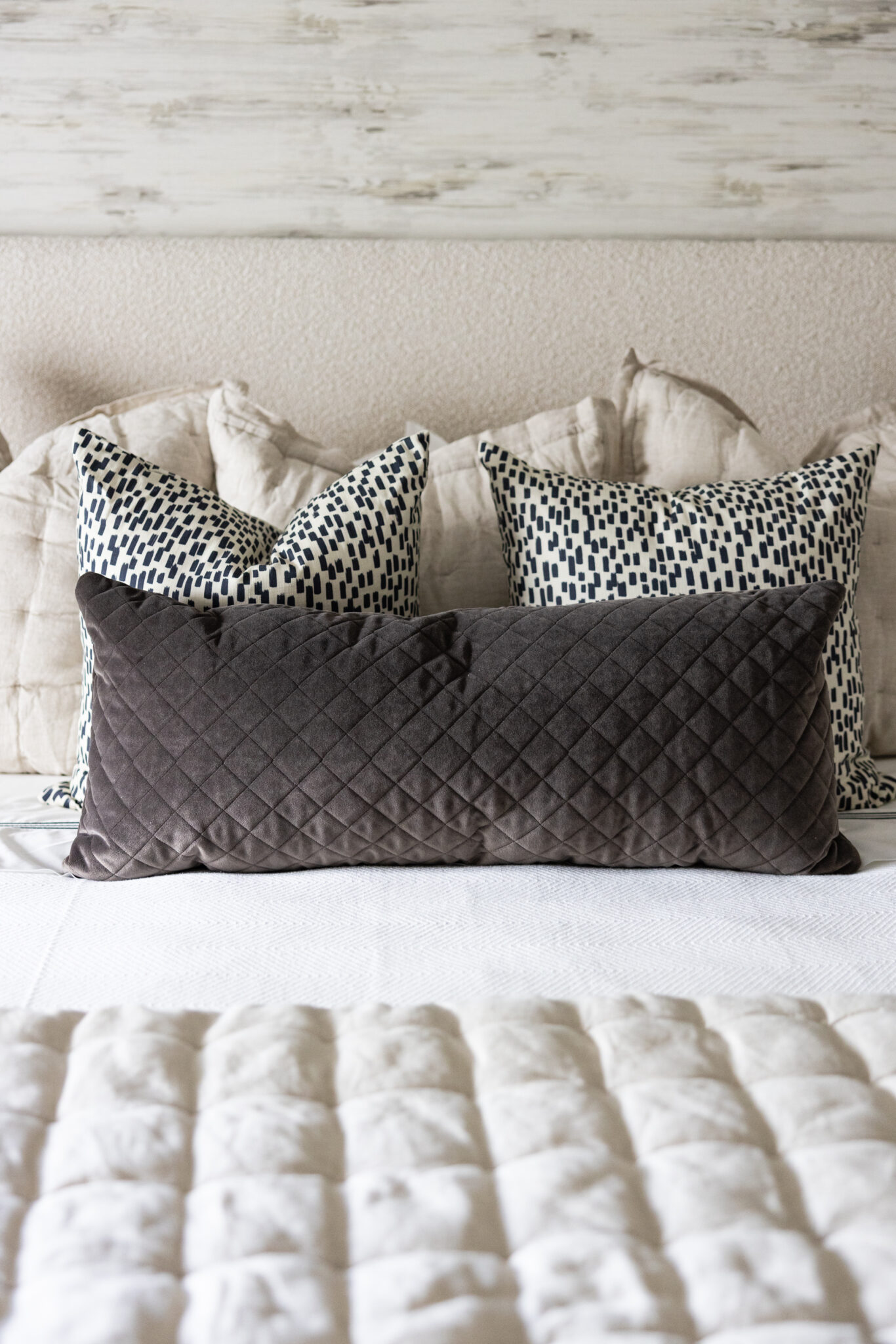
Interior Design by Krista + Home. Photography by Eve Greendale.
Experimenting with Texture
Texture is a game-changer when it comes to creating a cozy, inviting space. We love mixing soft, plush fabrics like velvet with rougher, more natural materials like linen. This contrast not only adds depth but also makes the room feel more dynamic. For us, the tactile experience is just as necessary as the visual one, so we always aim to create a balance of textures that feels right.
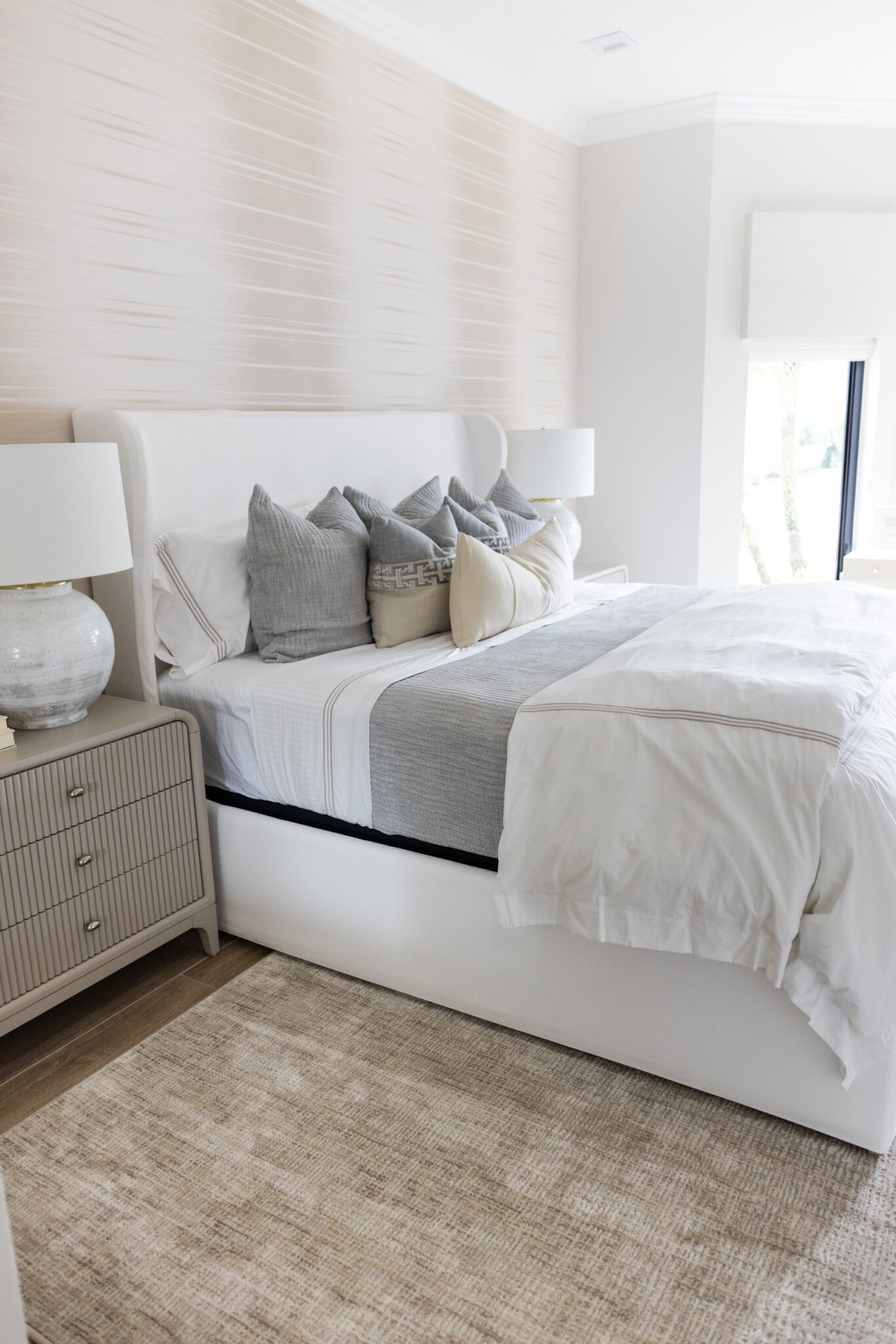
Interior Design by Krista + Home. Photography by Eve Greendale.
Anchor the Look with Solids
While we enjoy mixing patterns and textures, we never forget the importance of solid fabrics. Solids give the eye a place to rest and help to anchor the overall design. We usually choose solids that echo the colors found in our patterned fabrics, which helps tie everything together. It’s a simple trick, but it makes a huge difference in creating a balanced look.
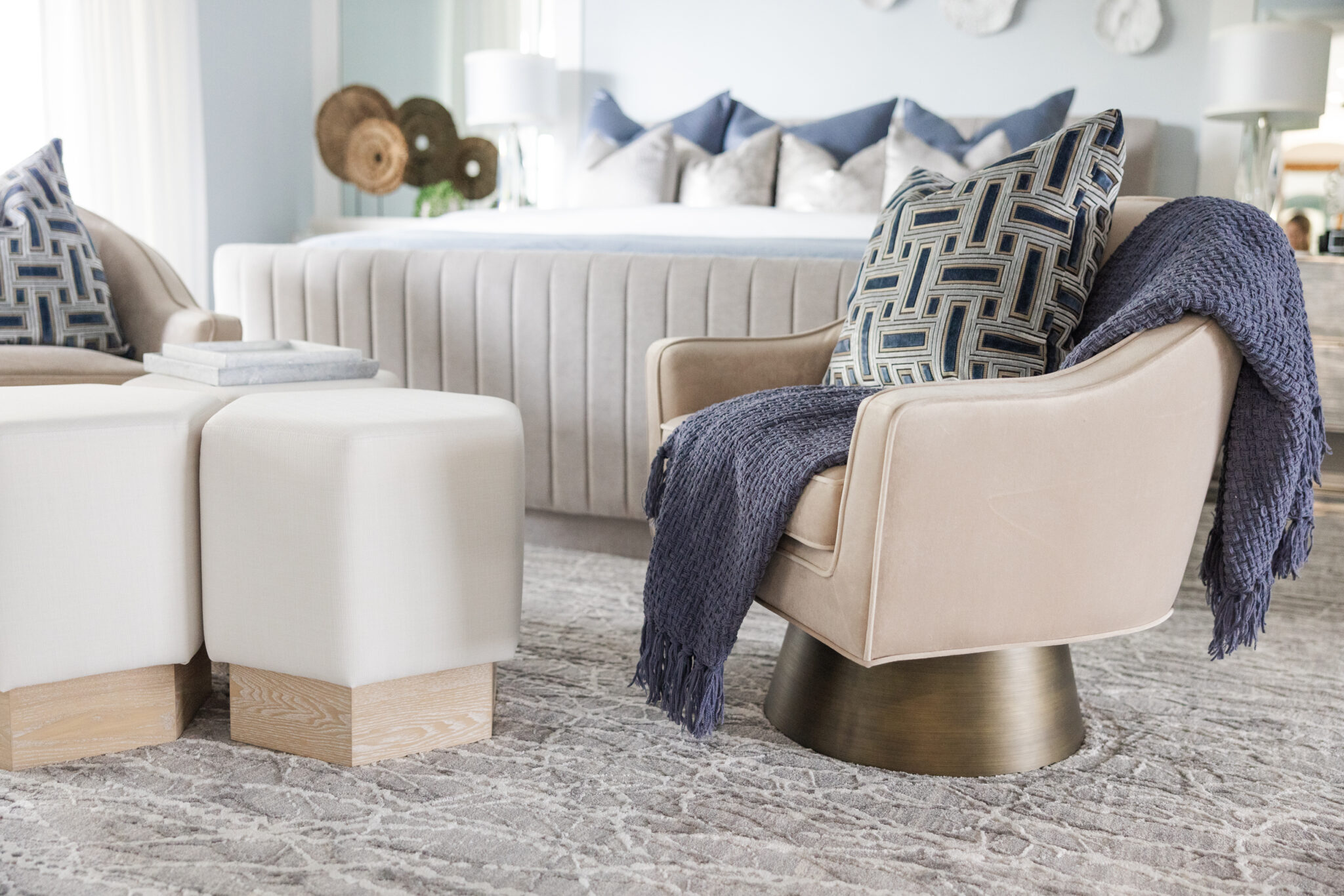
Interior Design by Krista + Home. Photography by Eve Greendale.
Consider Scale Carefully
Scale is something we pay close attention to when mixing fabrics. Large-scale patterns can make a big statement, sometimes too big, so we use them strategically—perhaps on pillows. That way, it’s easier to change them if you get sick of them! Then, we balance those with smaller-scale patterns on large-scale items such as rugs or furniture. This layering of different scales creates a dynamic yet cohesive look that feels intentional and well-thought-out. Whether you use large-scale patterns for the big items or the small ones, make sure you balance it out.

Interior Design by Krista + Home. Photography by Eve Greendale.
We Always Test Before Committing
Before we commit to a particular fabric combination, we like to test it out. We’ll gather fabric swatches and lay them out on a tray to see how they interact. It’s amazing how different fabrics can look under different lighting conditions, so we make sure to check them at various times of the day. This step helps us tweak our choices until we find the perfect mix.
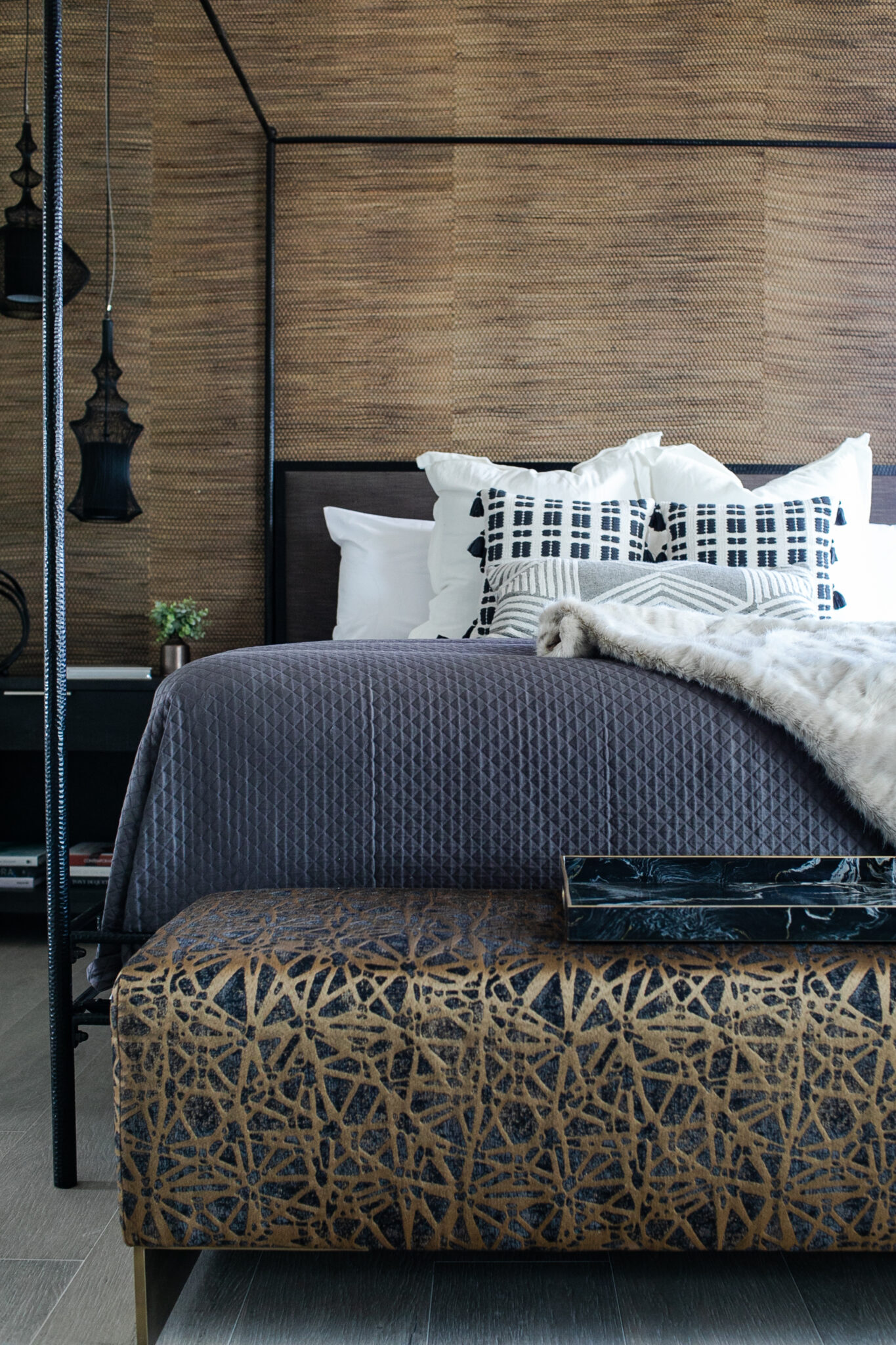
Interior Design by Krista + Home. Photography by Eve Greendale.
Mixing fabrics in interior design is something we truly enjoy—it’s where creativity meets comfort. By focusing on color, pattern, texture, and scale, we’re able to create spaces that are both beautiful and inviting.
Why Investing in Interior Design Will Add Value to Your Life
When we think about improving our quality of life, we often consider factors like health, relationships, and careers. However, the environment we live in plays a crucial role in our overall well-being. Great interior design is not just about making a space look beautiful—it’s about creating an environment that enhances your daily life, boosts your mood, and supports your overall well-being. Here’s how thoughtful interior design can significantly improve your quality of life.
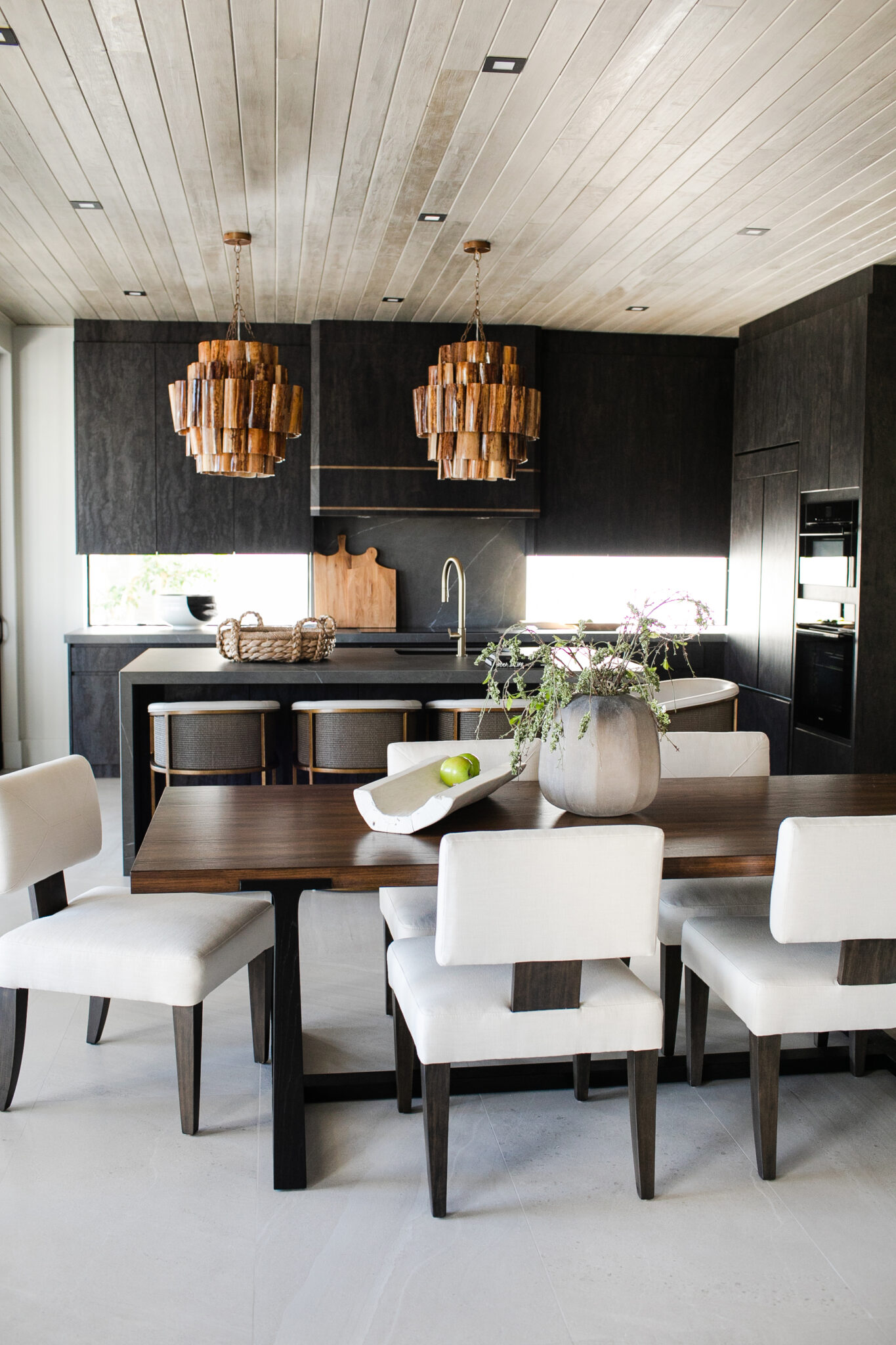
Interior Design by Krista + Home. Photography by Eve Greendale.
Creating a Space That Reflects Your Personality
Your home should reflect who you are. When your interior design aligns with your personal style, it creates a sense of belonging and comfort. Whether you prefer a minimalist, modern look or a cozy, eclectic vibe, a well-designed space can make you feel more connected to your environment. This connection to your surroundings fosters a sense of peace and satisfaction.
Interior Design by Krista + Home. Photography by Eve Greendale.
Enhancing Functionality and Efficiency
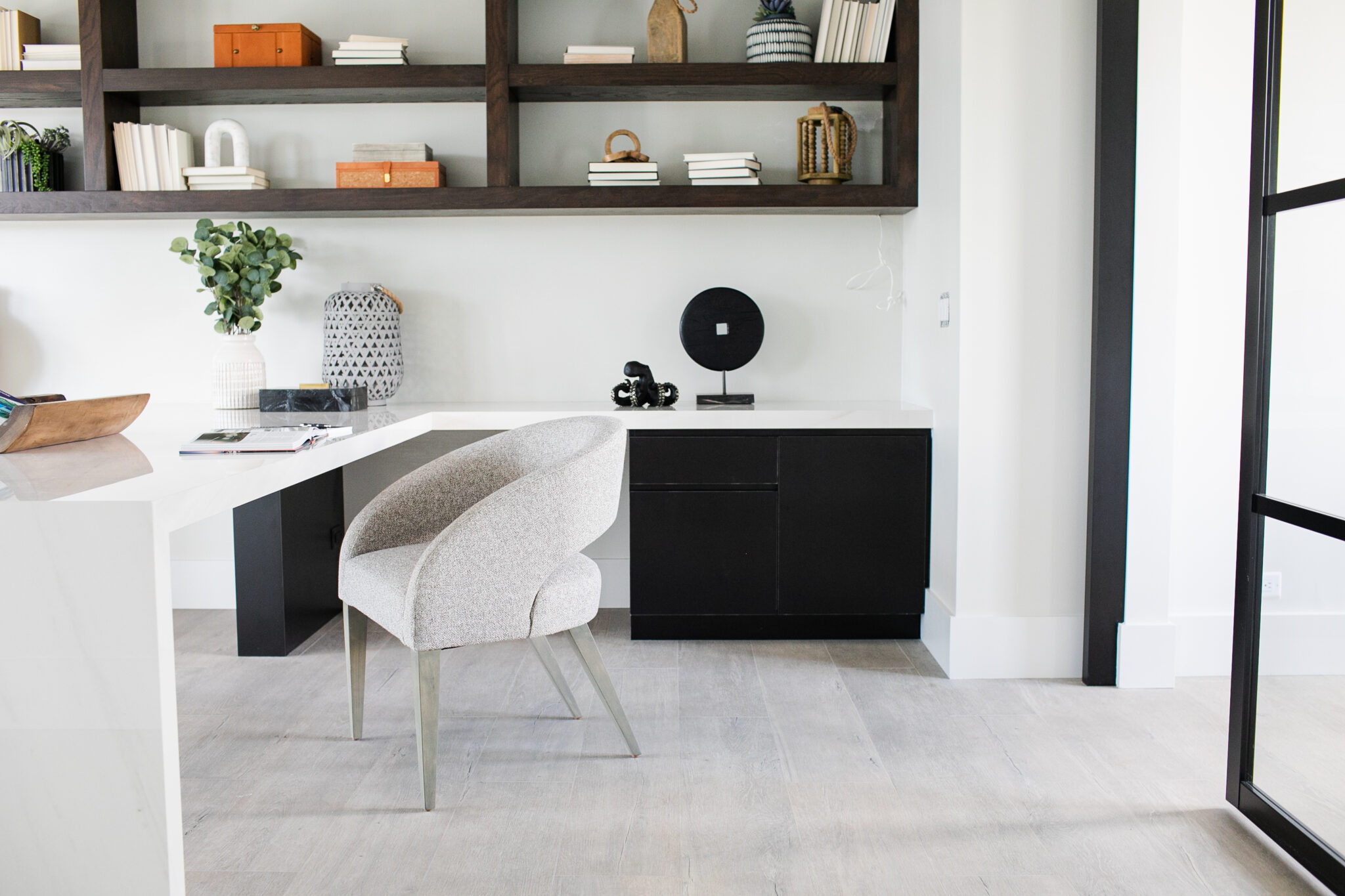
A great interior design doesn’t just look good—it works well, too. Thoughtful design ensures that your space is functional and meets your daily needs. From optimizing room layouts to selecting furniture that fits your lifestyle, good design makes your home more efficient and easier to live in. This can save you time, reduce stress, and make daily tasks more enjoyable.
Improving Mental Well-Being
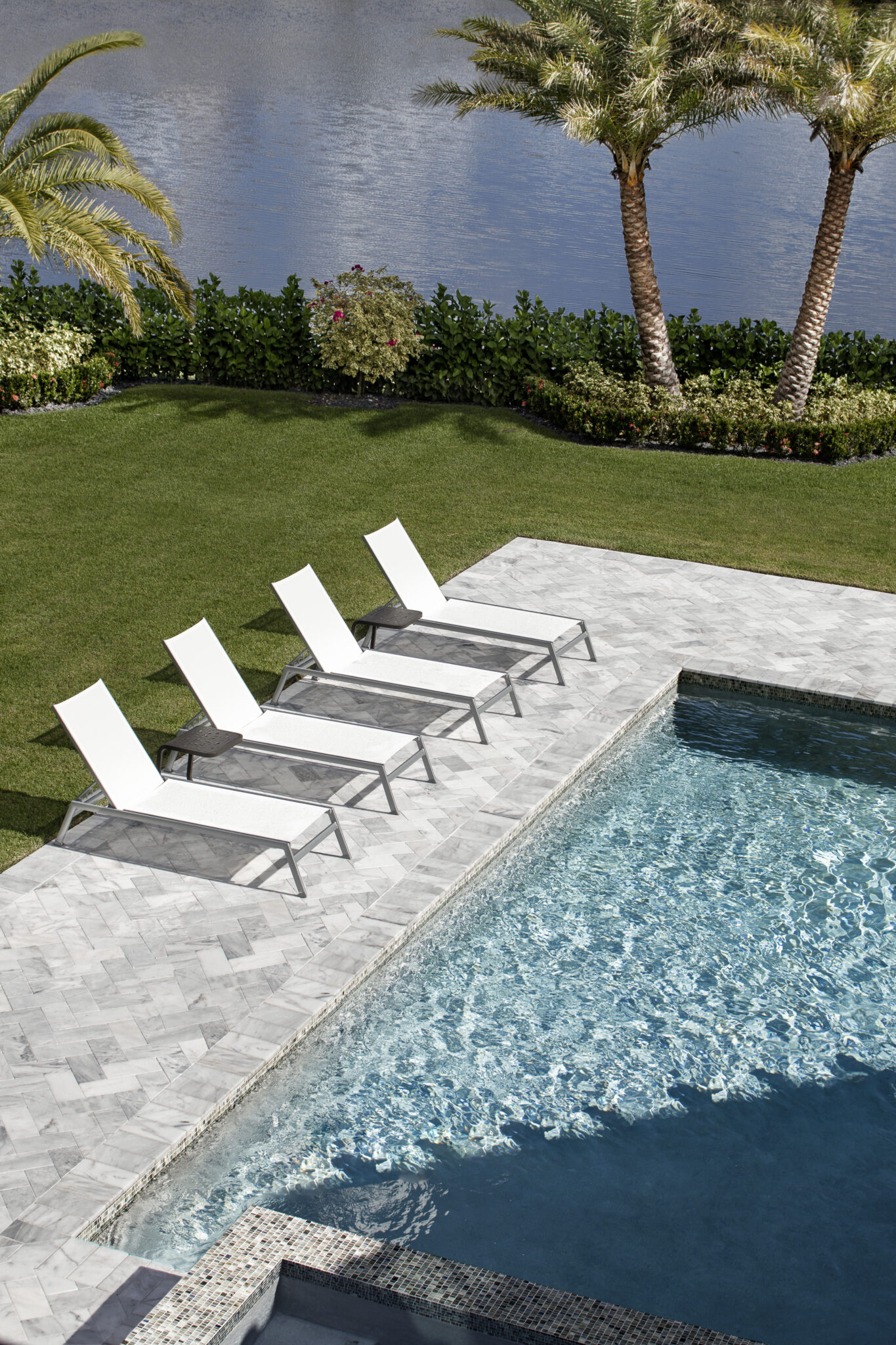
The colors, lighting, and layout of a room can have a profound impact on your mood and mental health. Bright, airy spaces with natural light can boost your mood and energy levels, while darker, cozier rooms can promote relaxation and calm. Incorporating elements of nature, like plants or natural materials, can also reduce stress and enhance feelings of well-being. A well-designed space can help you feel more relaxed, focused, and positive.
Encouraging Social Interaction
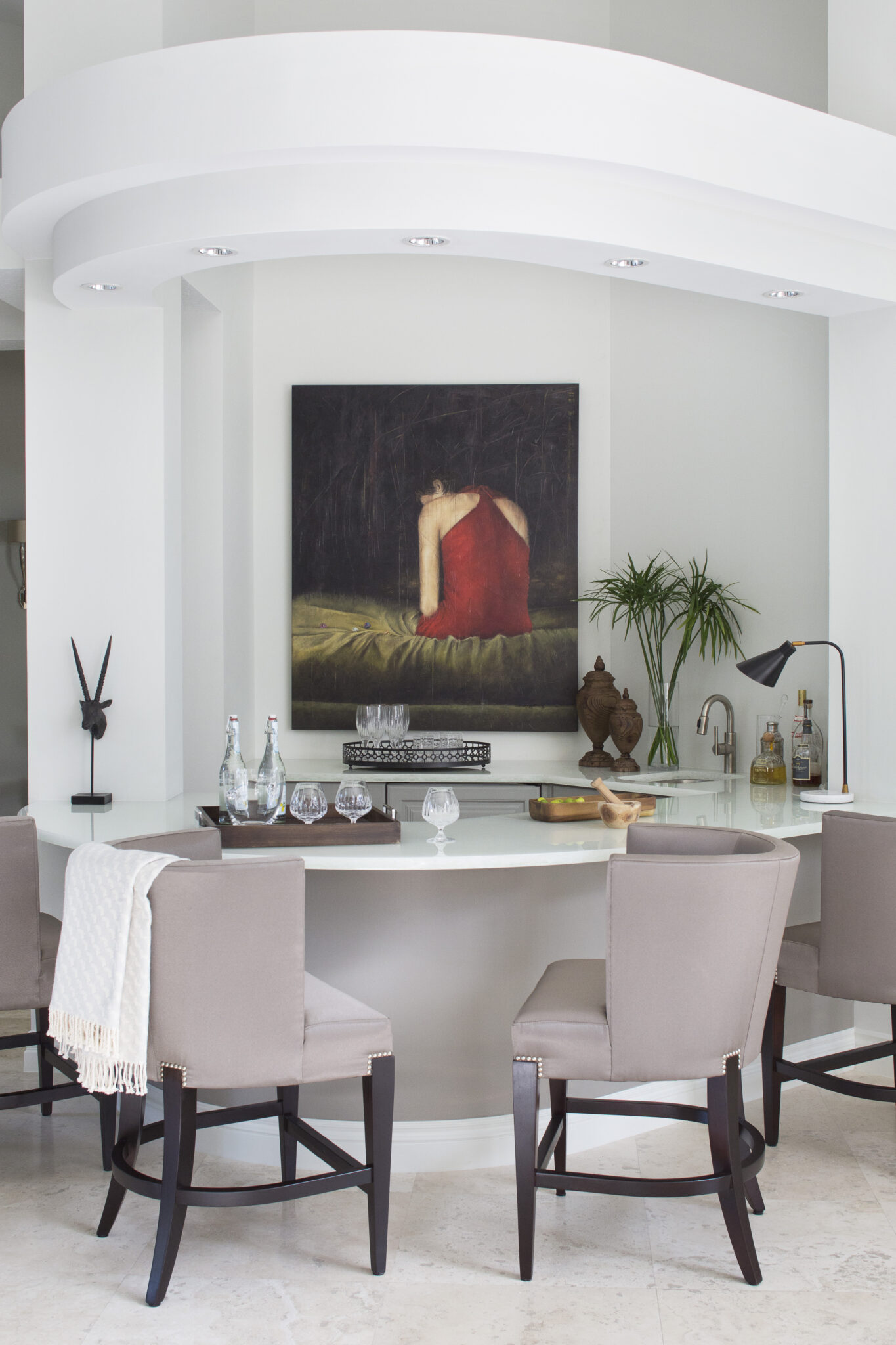
Your home is a place to connect with others, and great interior design can create spaces that encourage social interaction. Whether it’s a welcoming living room, a cozy dining area, or an inviting outdoor space, well-designed areas make it easier to entertain guests and enjoy quality time with family and friends. Creating a warm, inviting atmosphere can enhance your social life and strengthen your relationships.
Promoting Better Physical Health
Interior design can also have a direct impact on your physical health. Ergonomic furniture can prevent strain and injury, while good lighting can reduce eye strain and improve sleep patterns. Additionally, a well-ventilated, clean, and organized space can improve air quality and reduce allergens, contributing to better overall health.
Supporting a Balanced Lifestyle
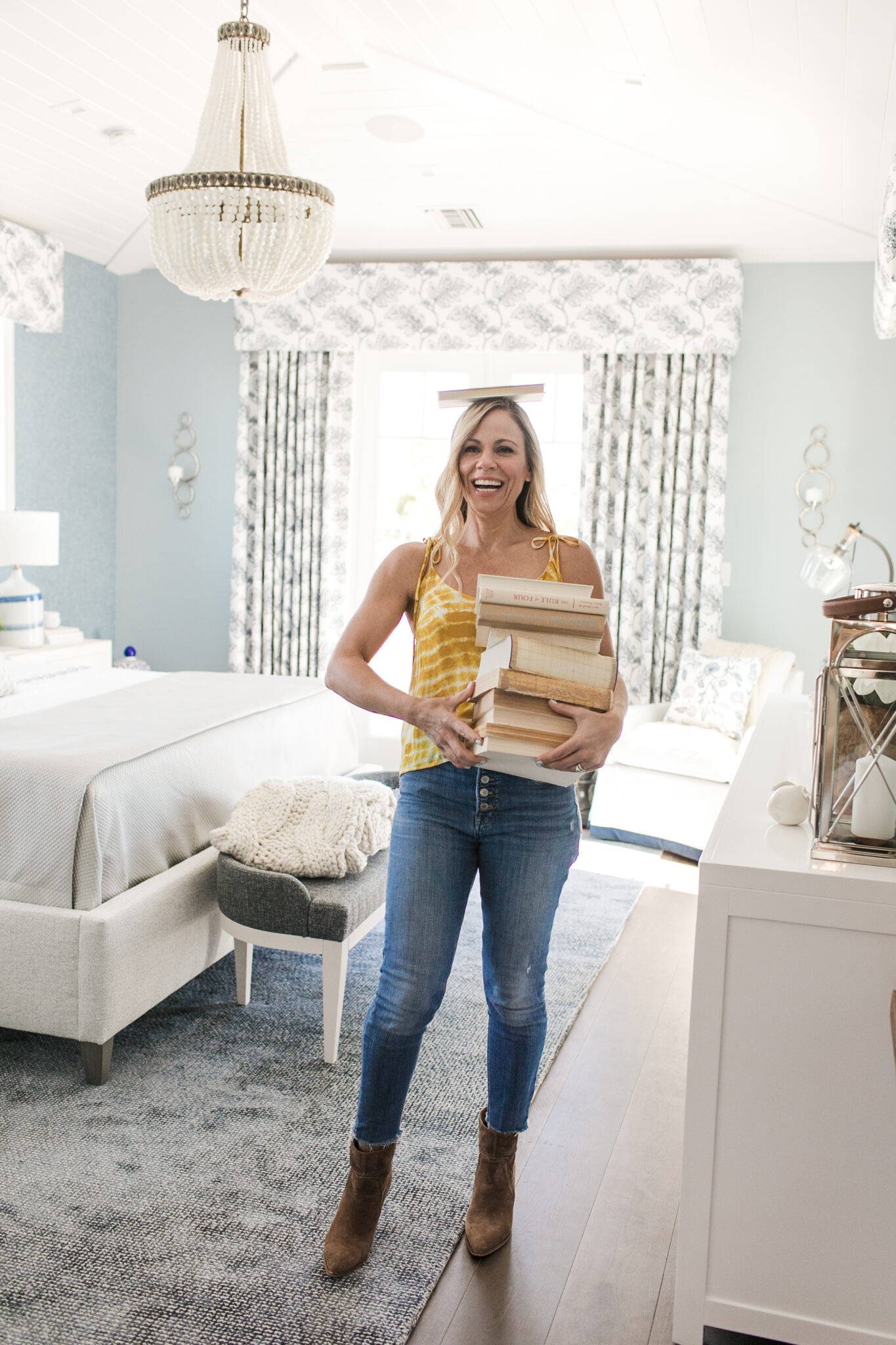
The design of your home can support your lifestyle choices and help you maintain balance. For instance, a dedicated home office can increase productivity while allowing you to separate work from relaxation. A well-designed kitchen can inspire healthier eating habits, and a peaceful bedroom can promote better sleep. By aligning your home’s design with your lifestyle goals, you create an environment that supports and enhances your daily routines.
Increasing Your Home’s Value
While the primary goal of interior design is to improve your quality of life, it also has the added benefit of increasing your home’s value. A beautifully designed, functional space is more attractive to potential buyers and can significantly raise the market value of your property. This can provide long-term financial benefits and peace of mind.
Final Thoughts
Great interior design is more than just aesthetics—creating a space that improves every aspect of your life. By reflecting your personality, enhancing functionality, boosting mental and physical well-being, and fostering social connections, thoughtful design can have a profound impact on your overall quality of life. Investing in good design is an investment in your happiness, health, and future. So, take the time to create a home that truly supports and enriches your life.
Minimalism: Why We Love it!
Interior Design by Krista + Home. Photography by Eve Greendale.
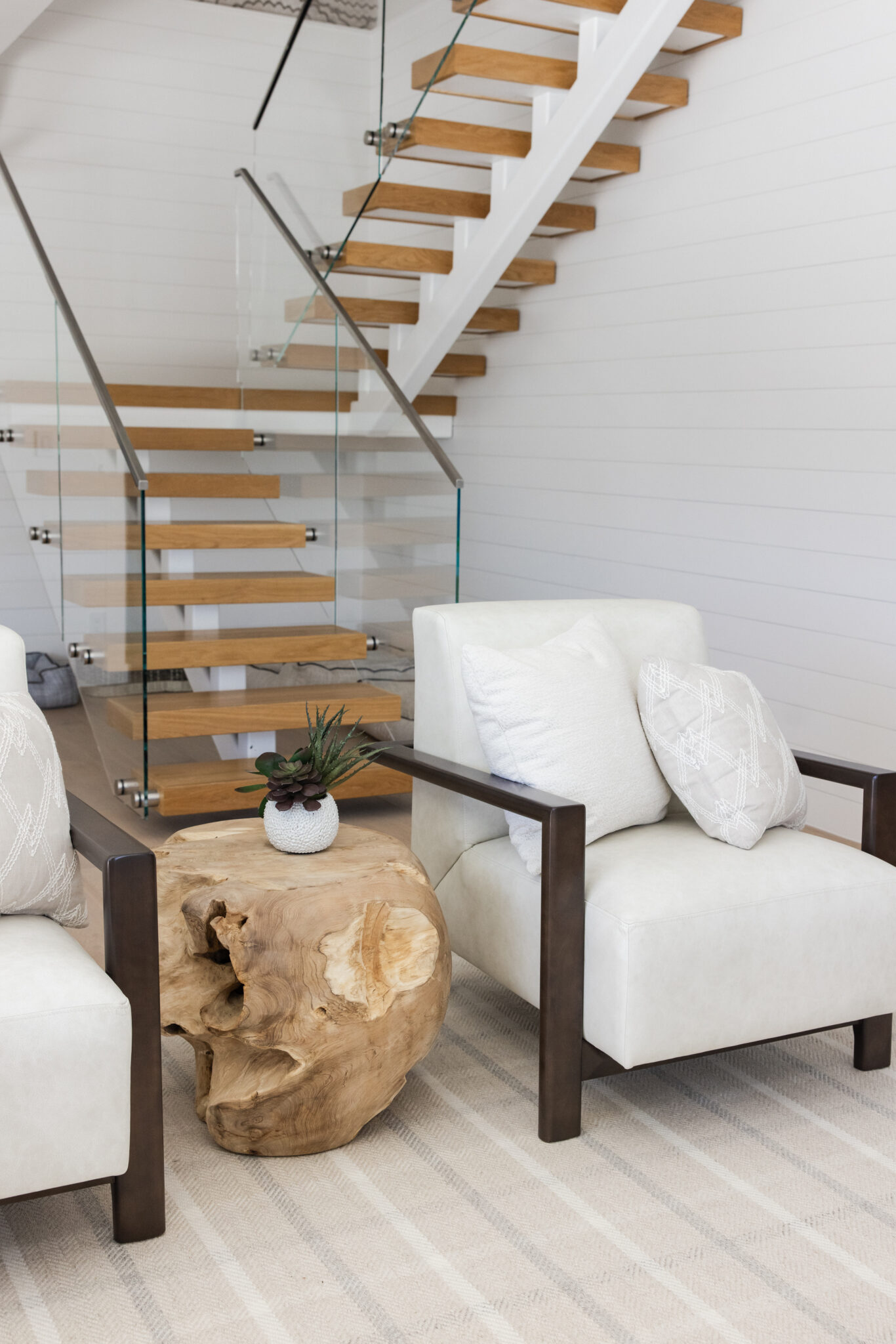
We LOVE Minimalism! Minimalism in interior design is more than just a trend—it’s a lifestyle choice that reflects a desire for simplicity, clarity, and purpose. Over the past decade, this design philosophy has gained significant traction, reshaping how we think about our living spaces and influencing design practices around the world.
Why Minimalism Appeals Today
- Overwhelm of Modern Life: In today’s fast-paced world, many people feel overwhelmed by the constant influx of information, responsibilities, and material possessions. Minimalism offers a counterbalance to this chaos by encouraging a focus on what truly matters—people, experiences, and personal values.
- Sustainability: As awareness of environmental issues grows, more individuals seek sustainable living options. Minimalism aligns with this desire by promoting the use of fewer resources and choosing quality over quantity – and reduces waste! Sustainable materials and timeless designs are key components of minimalist interiors.
- Mental Clarity: There is a growing recognition of the connection between our physical environments and our mental well-being. Cluttered spaces can contribute to stress and anxiety, while a minimalist environment can create a sense of calm and order, allowing the mind to focus.
Interior Design by Krista + Home. Photography by Jessica Glynn.
The Keys to Minimalism:
- Neutral Color Palettes: Minimalist interiors often feature a neutral color scheme, with whites, grays, beiges, and earth tones. These colors create a serene backdrop that allows the mind to rest and the space to feel more expansive.
- Clean Lines and Simple Forms: Furniture and architectural elements in minimalist design are characterized by clean, straight lines and simple, unadorned forms. This approach strips away unnecessary ornamentation, leaving only the essentials!
- Open Spaces: Minimalism thrives on the idea of open, uncluttered spaces. This improves the flow of natural light and enhances the feeling of freedom and spaciousness within a room.
- Functional Furniture: Every piece of furniture in a minimalist home serves a purpose. Multifunctional furniture, such as a sofa bed or a storage ottoman, is often used to maximize space and reduce clutter.
- Quality Over Quantity: In a minimalist interior, few items are displayed, but each one is chosen with care and thought! High-quality, durable materials are preferred, reflecting the minimalist principle of investing in items that will stand the test of time.
Interior Design by Krista + Home. Photography by Jessica Glynn.
Minimalism in Different Spaces
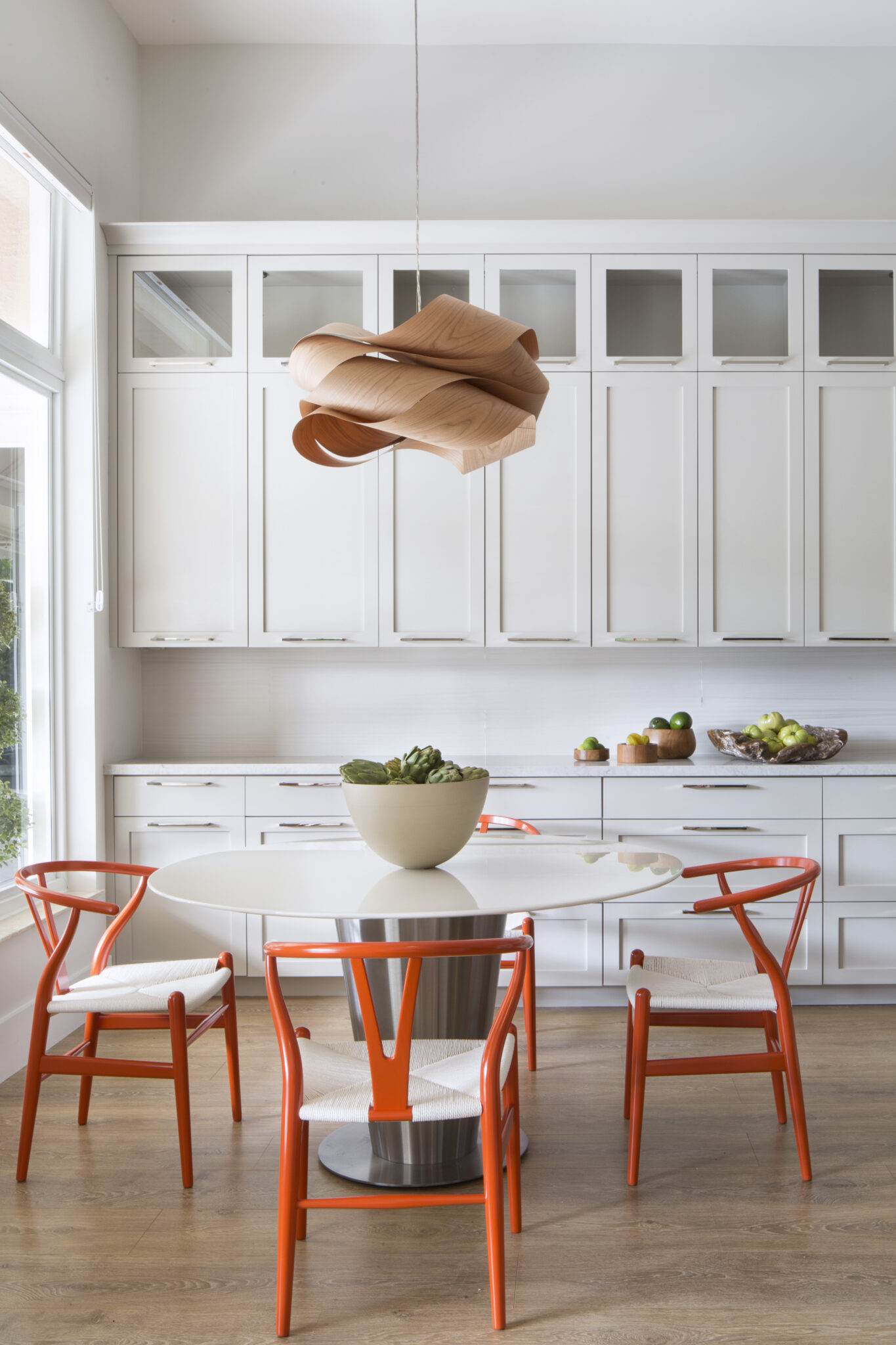
- Living Rooms: A minimalist living room may feature a neutral sofa, a single piece of art, and a few carefully chosen accessories. The focus is on creating a comfortable space that encourages relaxation and conversation.
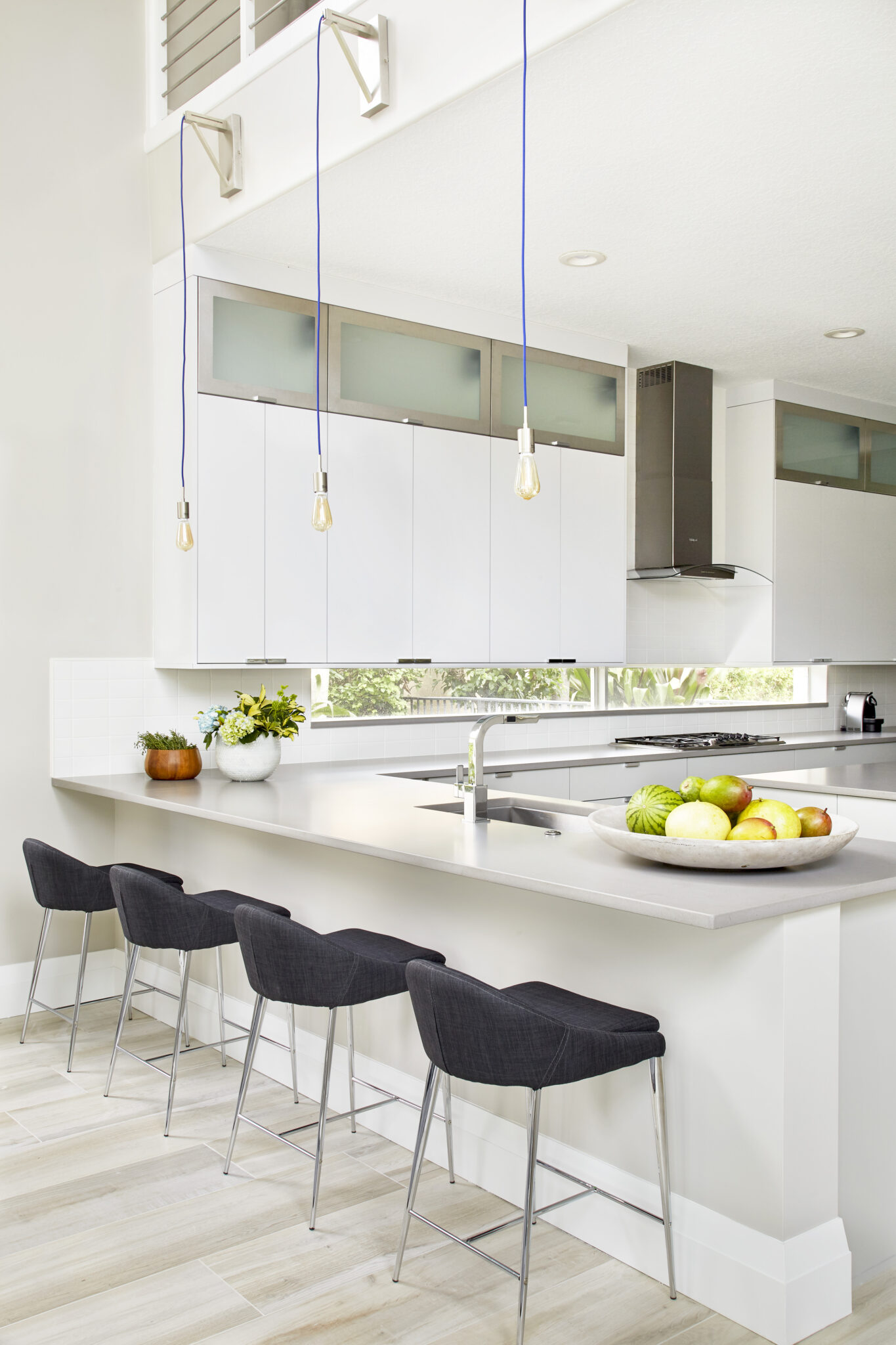
- Kitchens: Minimalist kitchens often feature sleek cabinetry, hidden storage, and uncluttered countertops. The use of high-quality materials like marble, granite, and stainless steel adds a touch of luxury to the simplicity.
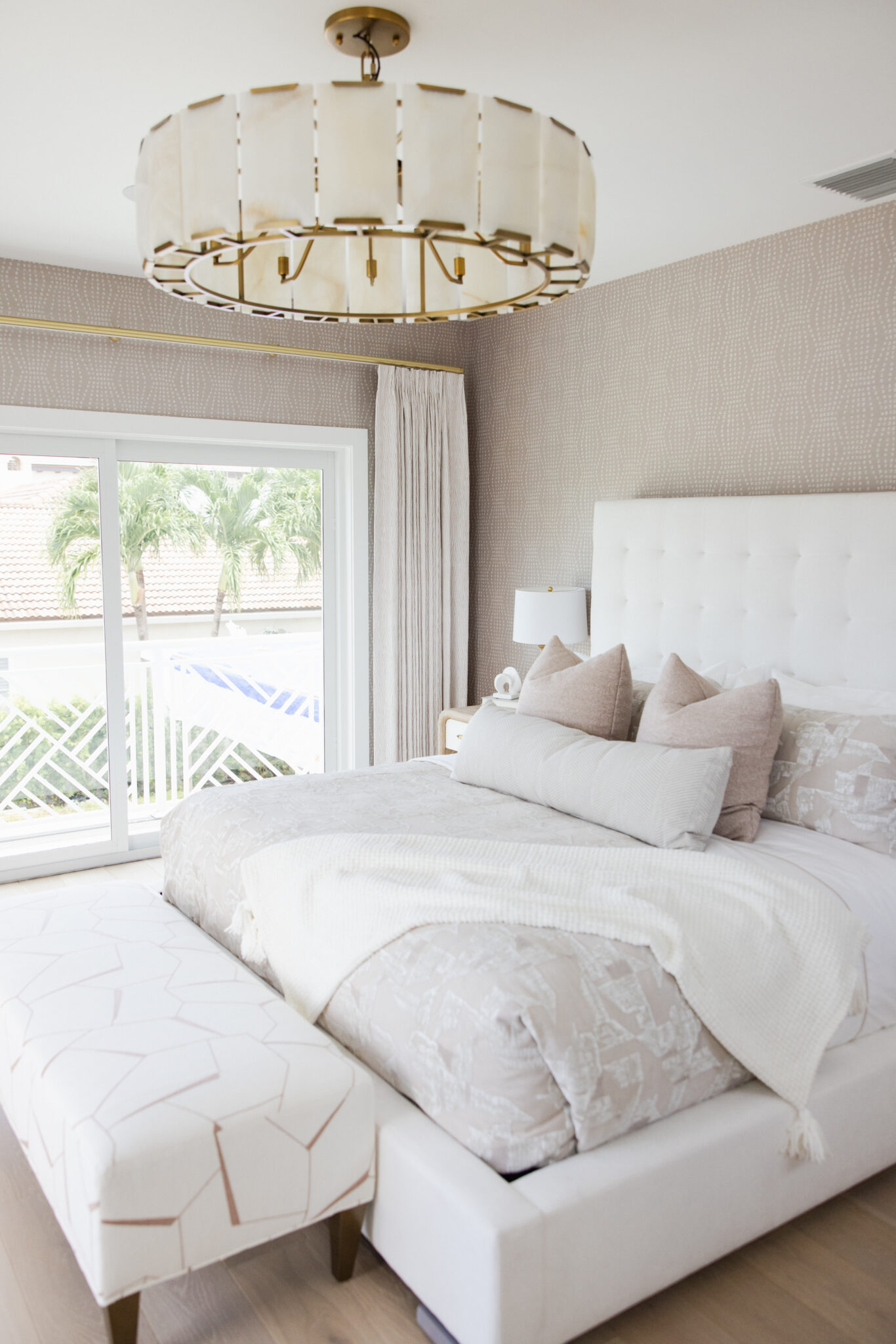
- Bedrooms: In the bedroom, minimalism promotes restfulness. A low platform bed, simple bedding, and minimal decor create a calming environment conducive to sleep.
Interior Design by Krista+Home. Photography by Eve Greendale.
The Future of Minimalism
We believe minimalism is likely to continue evolving. While the core principles of simplicity, functionality, and sustainability will remain, we may see new interpretations of minimalism that incorporate more color, texture, and cultural influences.
Interior Design by Krista+Home. Photography by Eve Greendale.
The rise of minimalism in interior design reflects a broader cultural shift towards simplicity, sustainability, and mental well-being. As more people embrace this design philosophy, our living spaces will continue to evolve, becoming not just places to live, but sanctuaries that support a more mindful and intentional way of life.
Artful Living: Integrating Fine Art Into Your Home
Tambour Wood Paneling and Why We Love It!

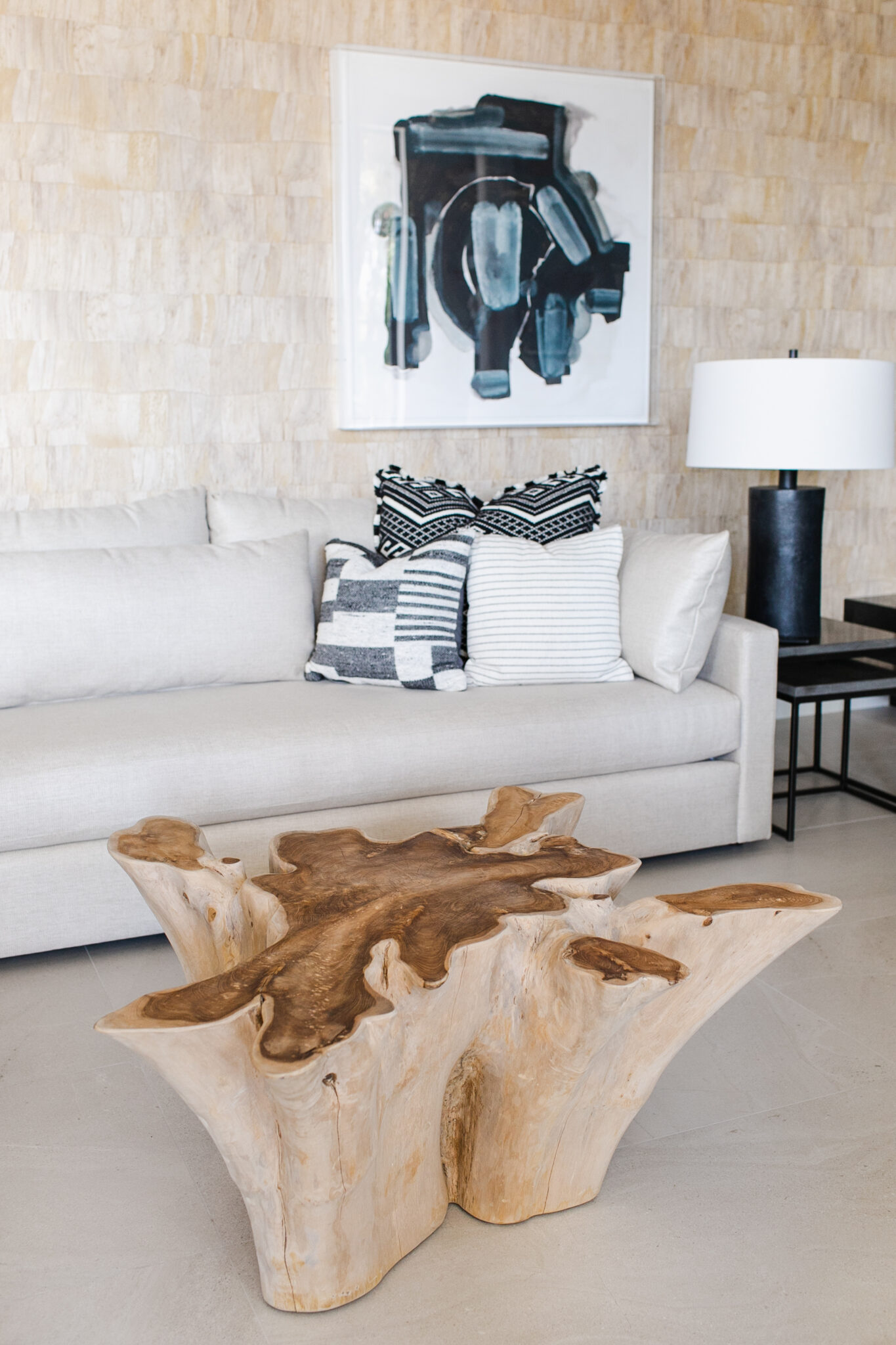
Tambour wood paneling is a type of wall treatment made up of narrow, vertical wooden slats. This style of paneling has been used in interior design for decades and is known for its versatility and aesthetic appeal. We’ve been loving this design element for a while. The way it brings depth and interest to a space and is also great for a wall divider!
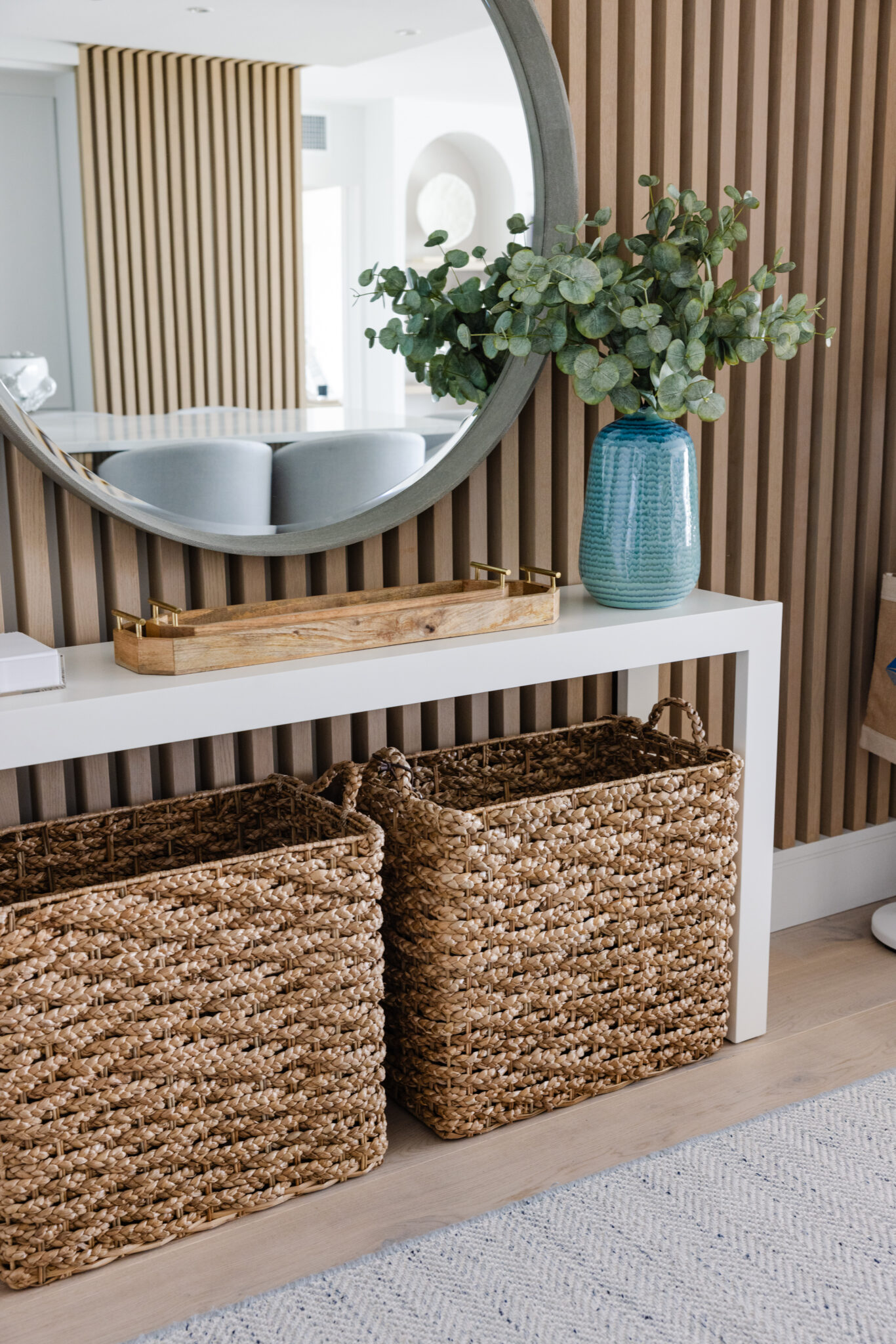
Interior Design by Krista + Home. Photography by Eve Greendale.
Aesthetic Appeal
Tambour wood paneling adds texture and warmth to a space, making it more inviting and cozy. The vertical lines create a sense of height and movement, adding visual interest to flat surfaces. The style is available in various wood types, finishes, and sizes; tambour panels can complement a wide range of design styles, from traditional to contemporary.
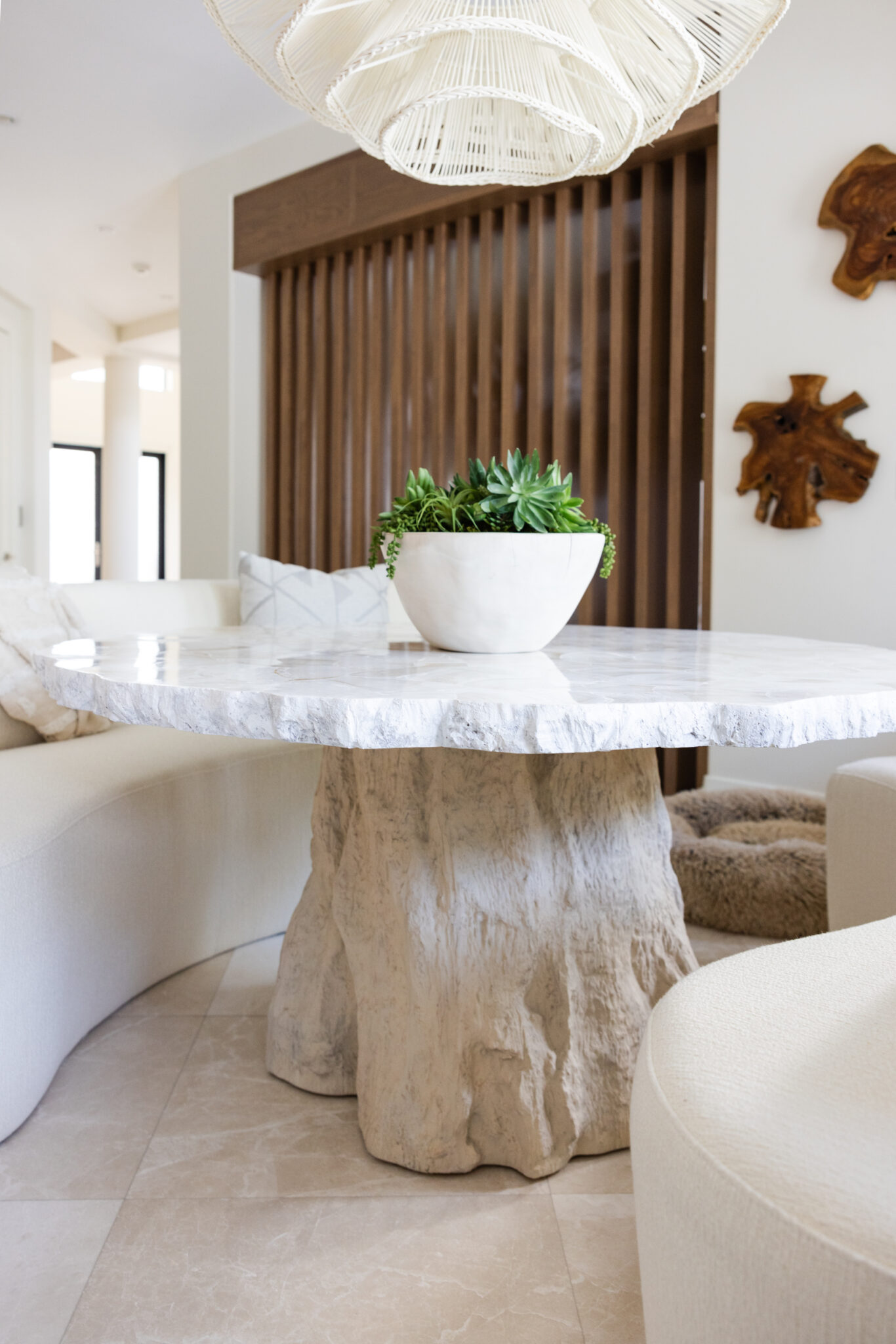
Interior Design by Krista + Home. Photography by Eve Greendale.
How We Like to Use It.
Tambour wood panels are often used to create striking accent walls in living rooms, bedrooms, or entryways. Using them as a wall separator is a great way to define your spaces better. Tambour wood is also used in furniture design, such as cabinet doors, desks, and headboards.
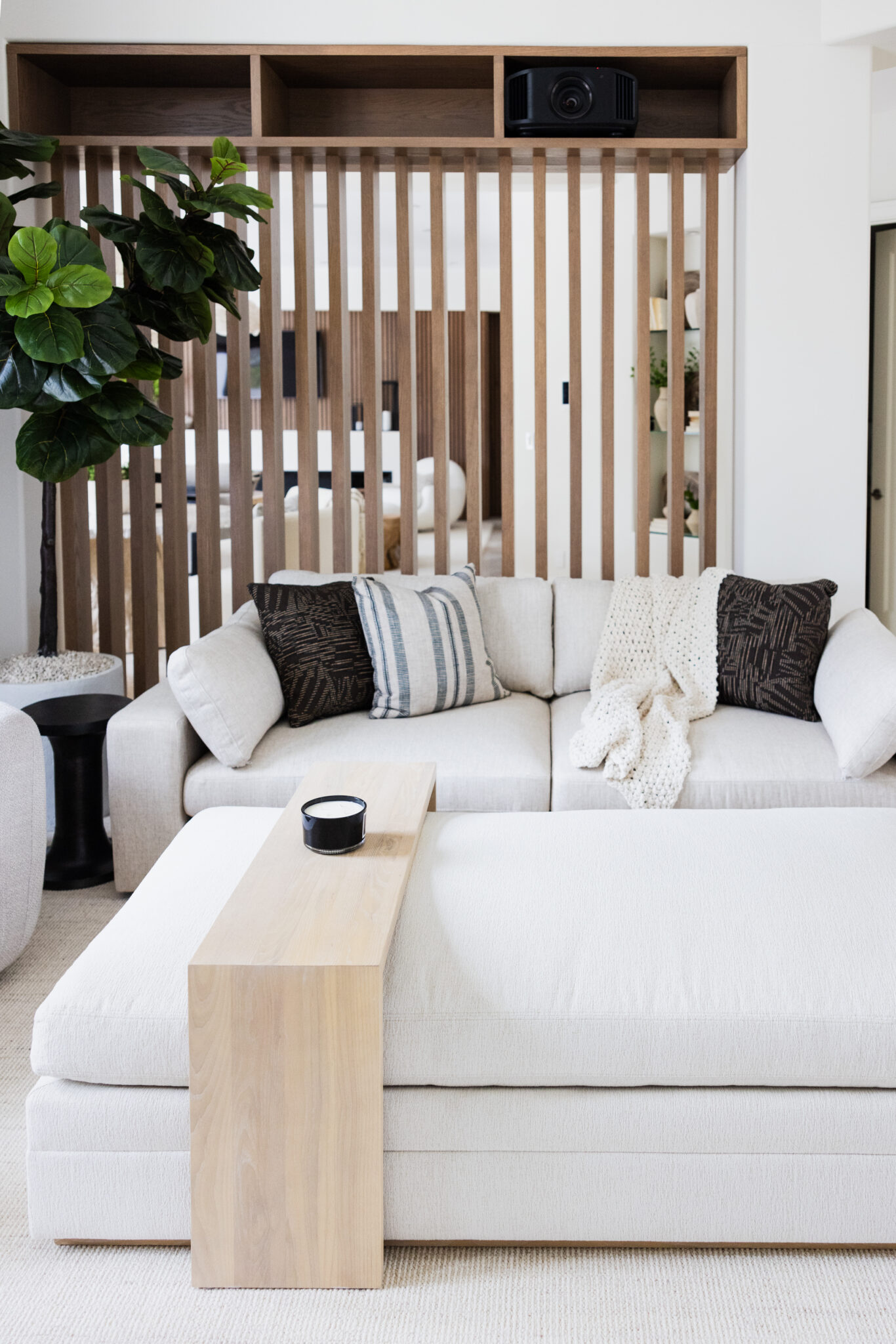
Interior Design by Krista + Home. Photography by Eve Greendale.
How to go about using Tambour.
When using tambour wood paneling, balance it with other design elements to avoid overwhelming the space. Proper lighting can enhance the texture and appearance of the wood, highlighting its natural beauty. Pair tambour wood with contrasting materials like metal, glass, stone, or soft fabrics to create a more dynamic and interesting interior.
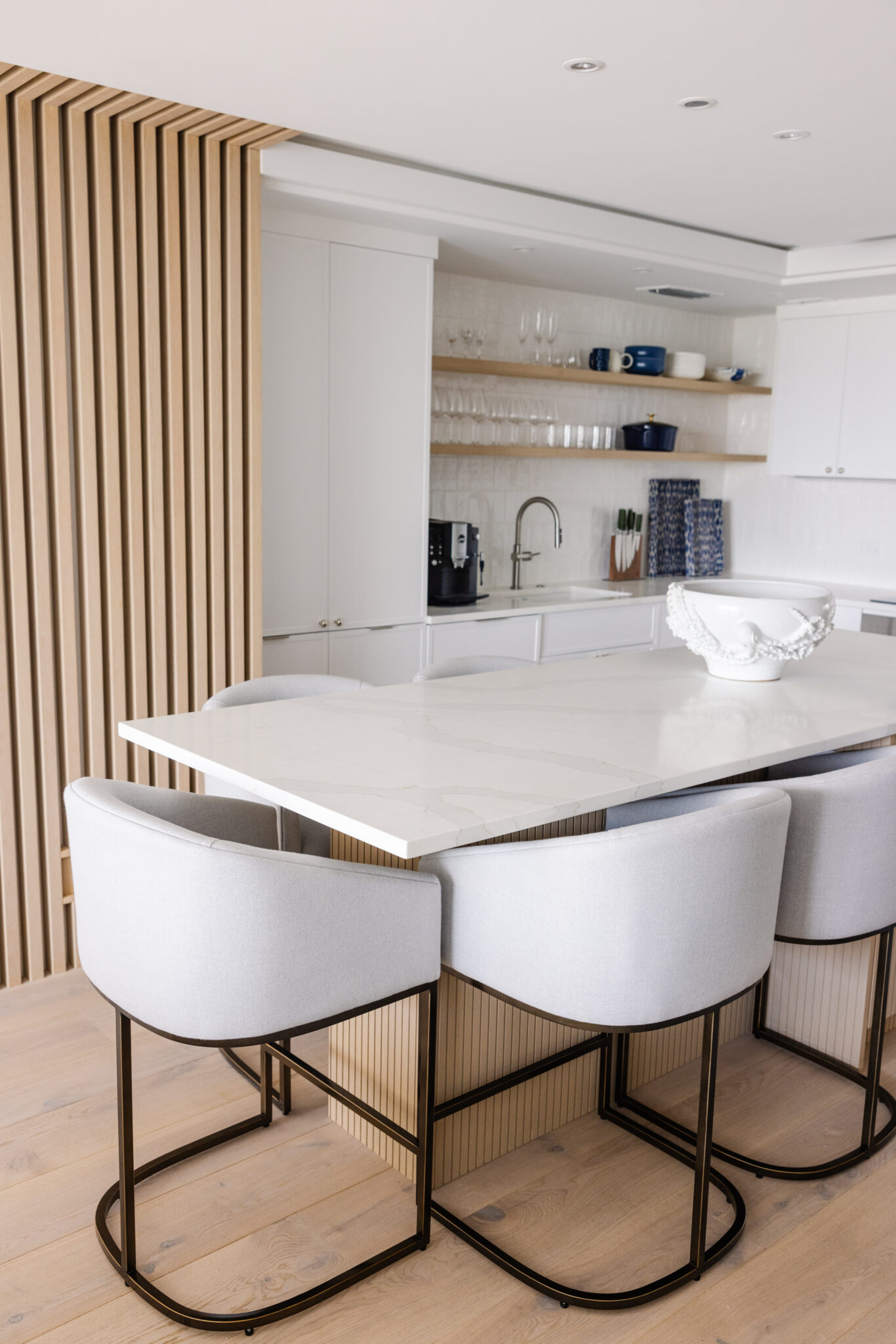
Interior Design by Krista + Home. Photography by Eve Greendale.
Incorporating tambour wood paneling into your interior design can add a unique and sophisticated touch, adding aesthetic and functional value – which we all know is super important when making design investments.
Creating a Stylish and Functional Bathroom
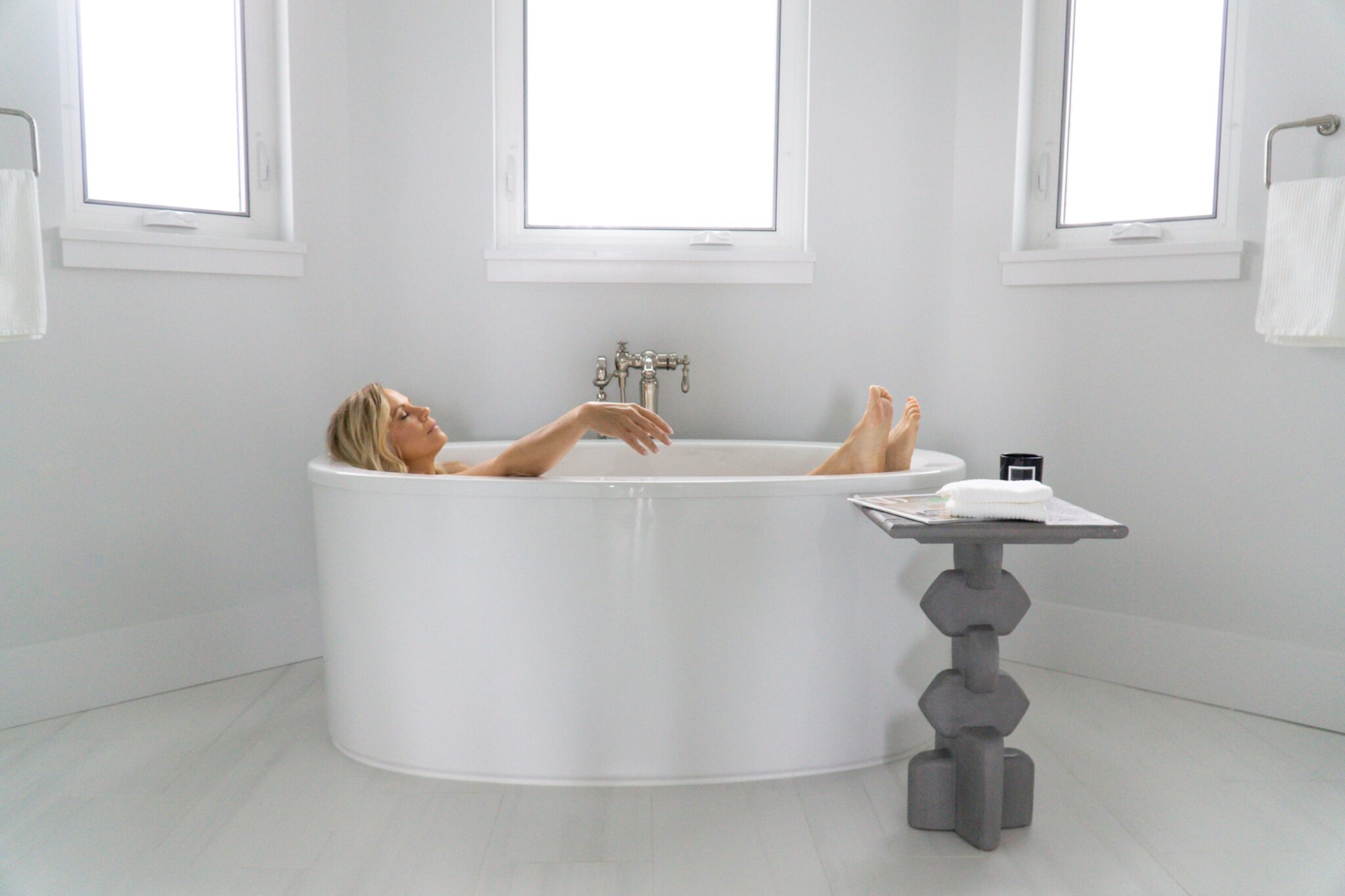
Krista Alterman of Krista + Home
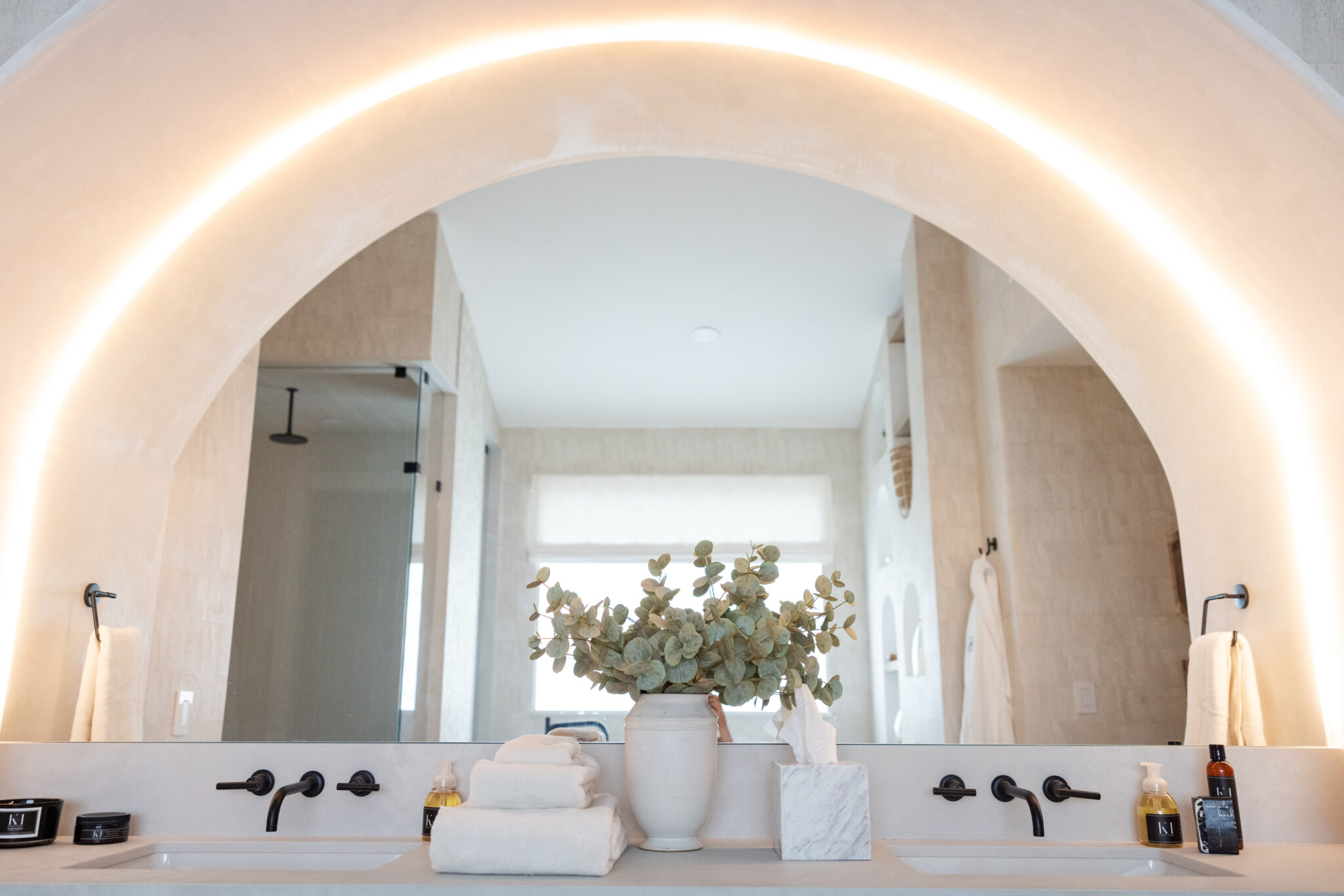
When it comes to home design, the bathroom is often overlooked, yet it’s a space where we spend significant time starting and ending our days. Creating a functional and stylish bathroom can elevate your daily routine and add value to your home. We typically see two different directions clients like to go when designing their bathrooms. The oasis spa-like vibe is always a go-to, but bathrooms (especially half baths) can be fun to try bolder colors and prints!
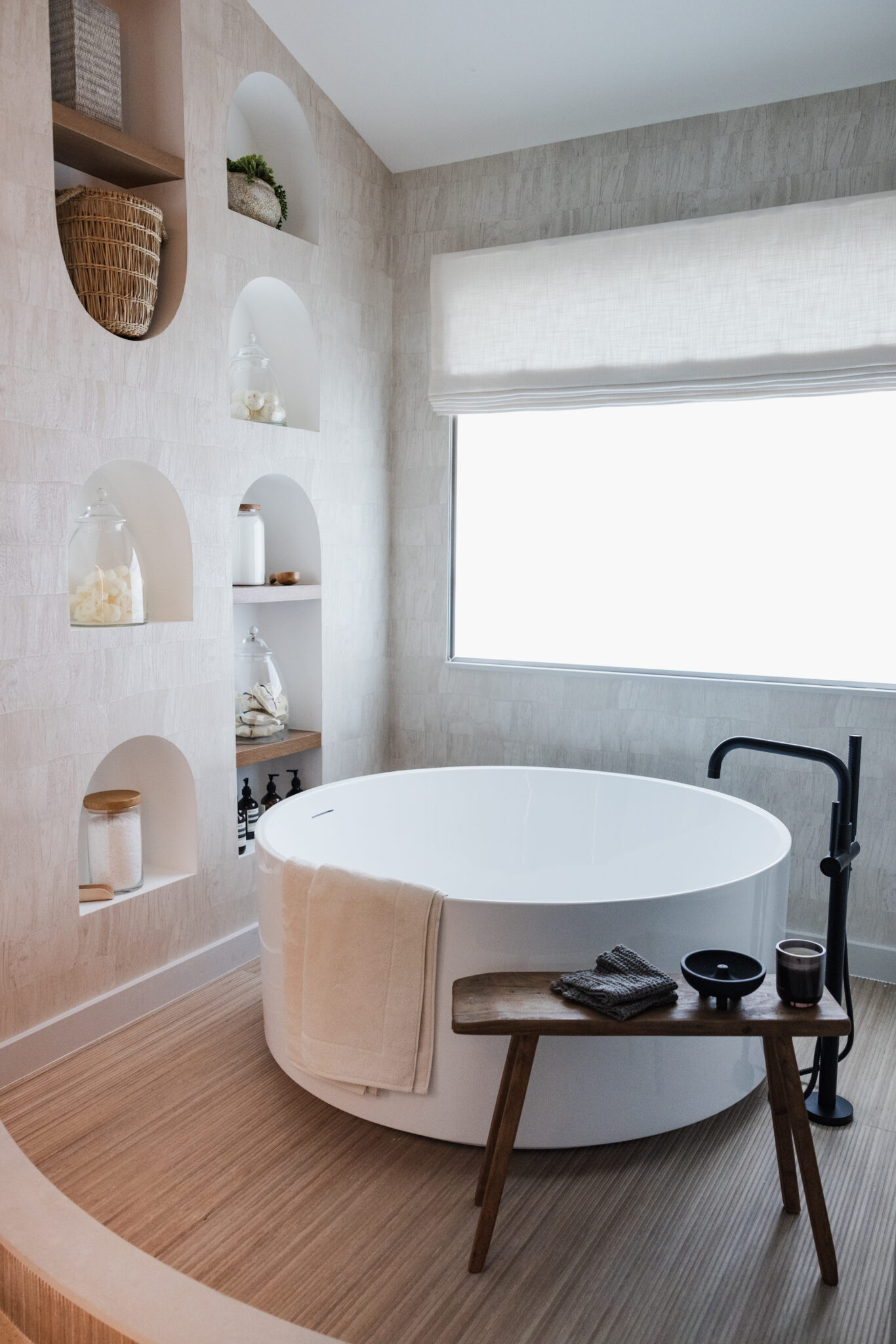
Make sure you keep lots of storage in mind! We all know we have a lot of products, towels, medicines, etc. stored away in our bathrooms. Incorporate innovative ways to store products instead of throwing everything in the cabinet under your sink! We like to use shelving for baskets and jars!
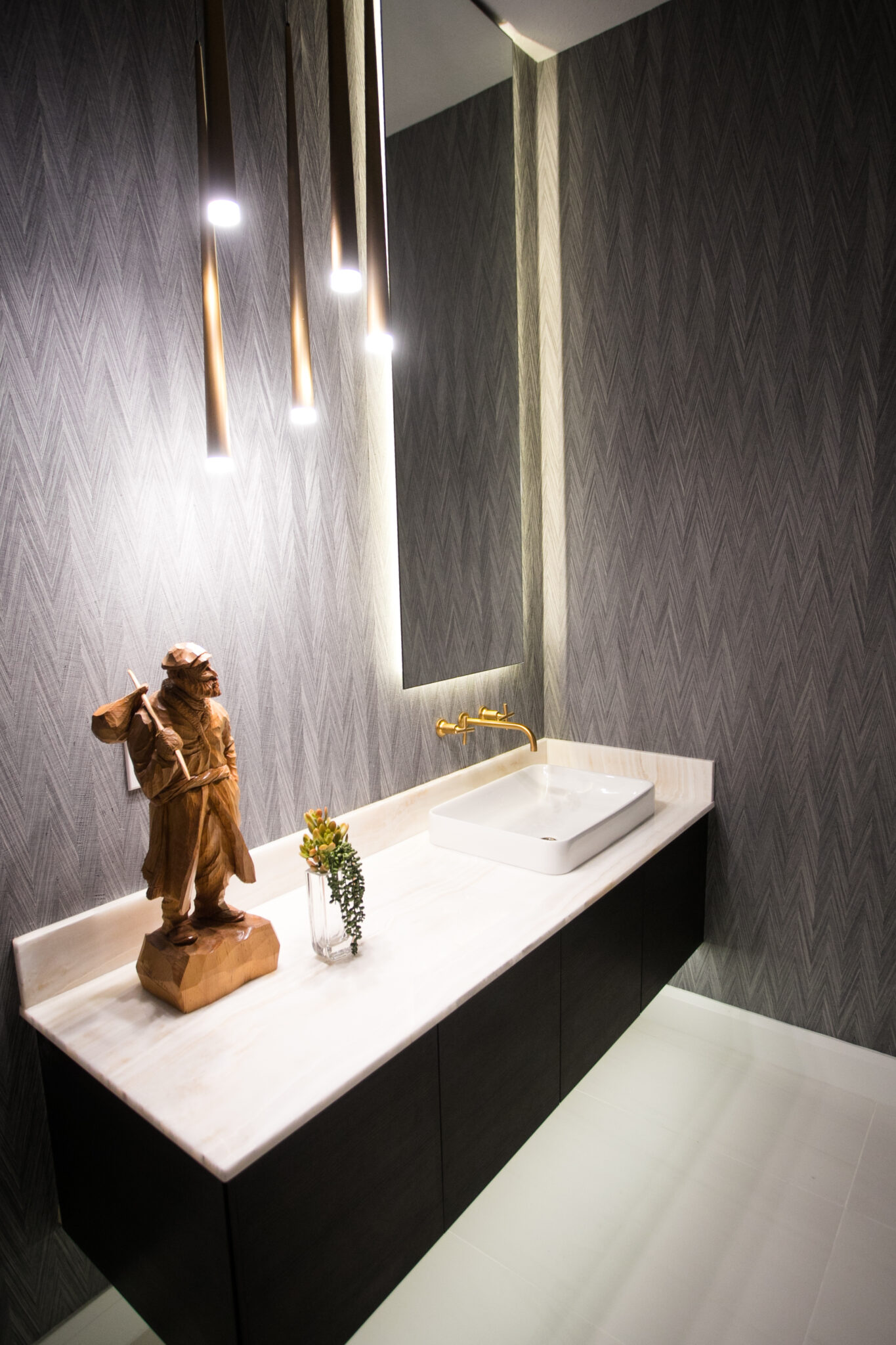
In such a small room, experimenting with bold colors and patterns is a great way to add some fun to your home. Consider deep, rich hues like navy blue, forest green, or even black for a dramatic effect. Patterned tiles, whether on the floor or as a feature wall, can add visual interest and a unique personality to your bathroom.
Interior Design by Krista + Home. Photography by Eve Greendale.
We love a dark moody half bath! Small spaces are perfect for a lot of personality! When it comes to lighting, it’s important to make sure your primary bathrooms are filled with light; no one wants to put makeup on in dim lighting! But with smaller baths, have fun with the lighting; make it dim and moody if you please!
Interior Design by Krista + Home. Photography by Eve Greendale.
Interior Design by Krista + Home. Photography by Eve Greendale.
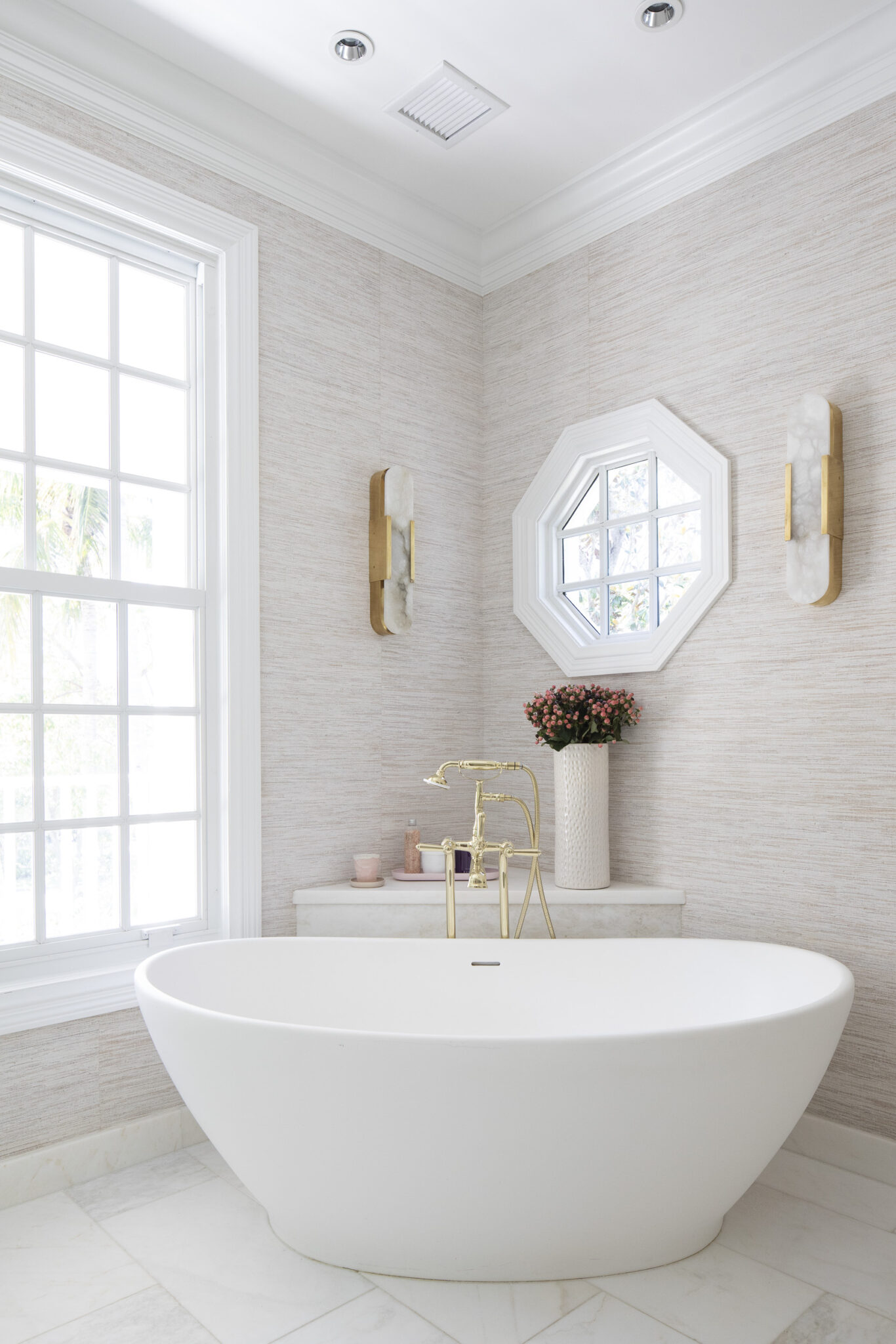
If you have the space, adding a free-standing tub is a great way to add elegance to the space. It’s a great focal piece.
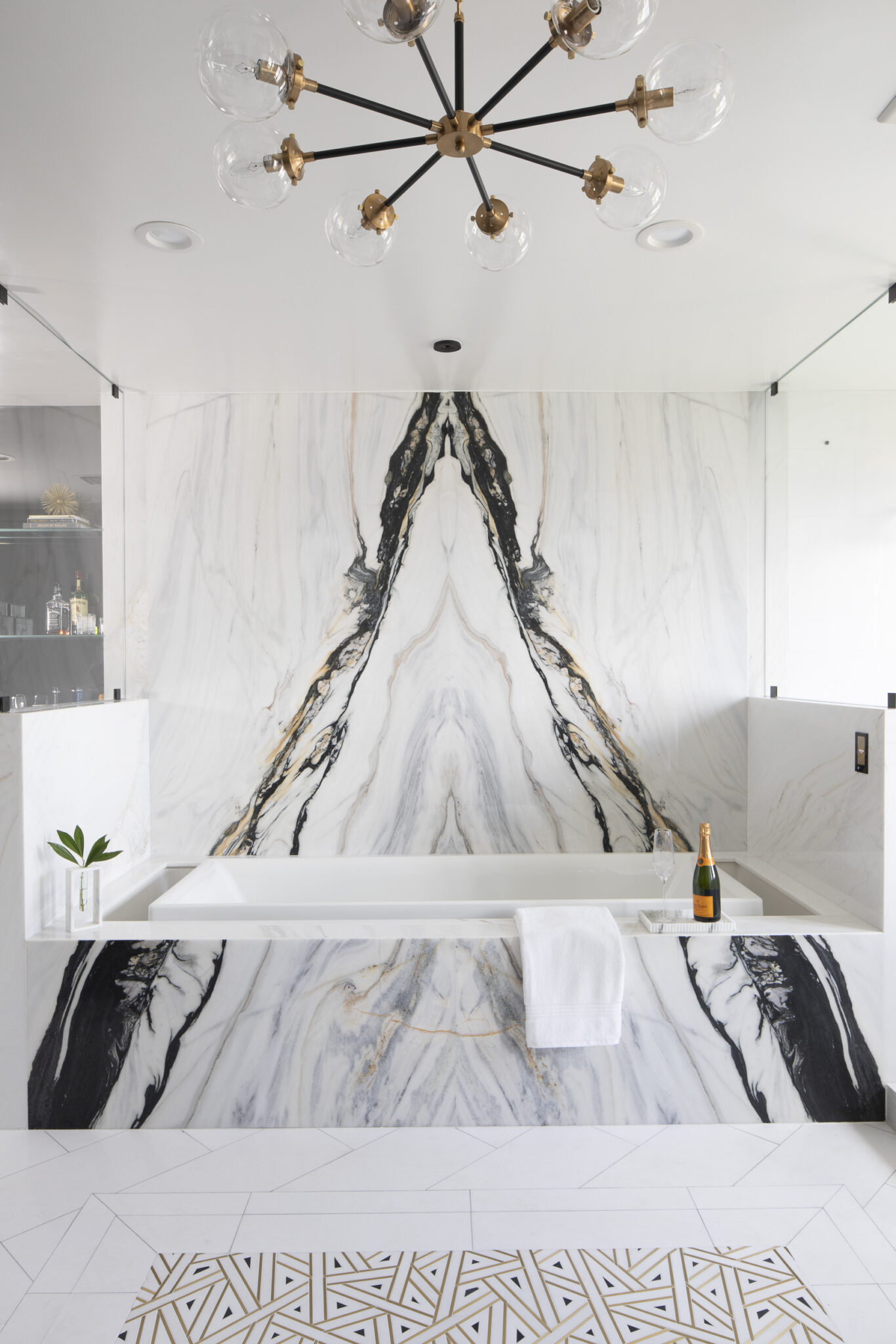
Still obsessed with our Kips Bay tub – that gorgeous marble never gets old!
Interior Design by Krista + Home.
Designer Spotlight! Meet Kaley!
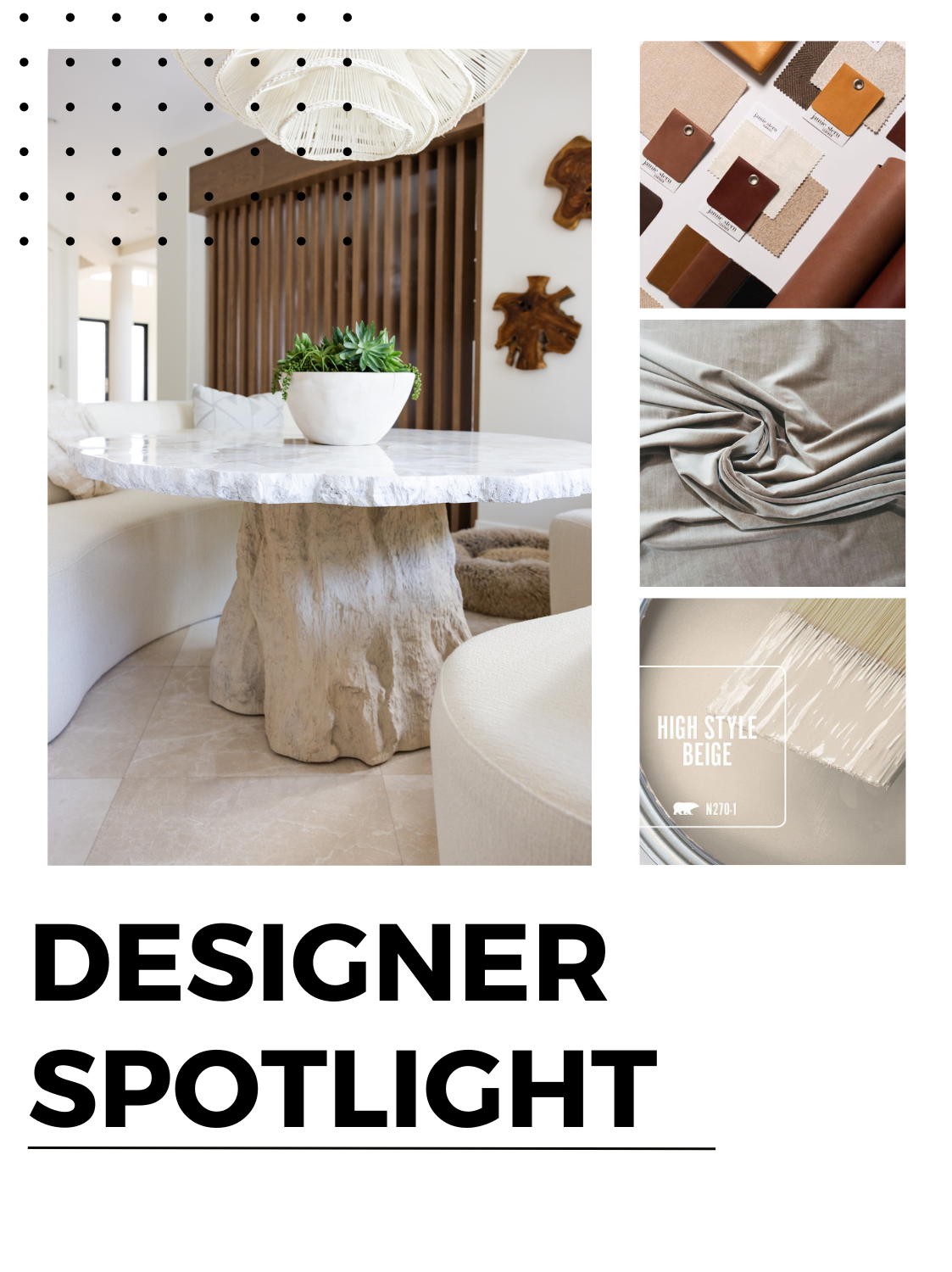

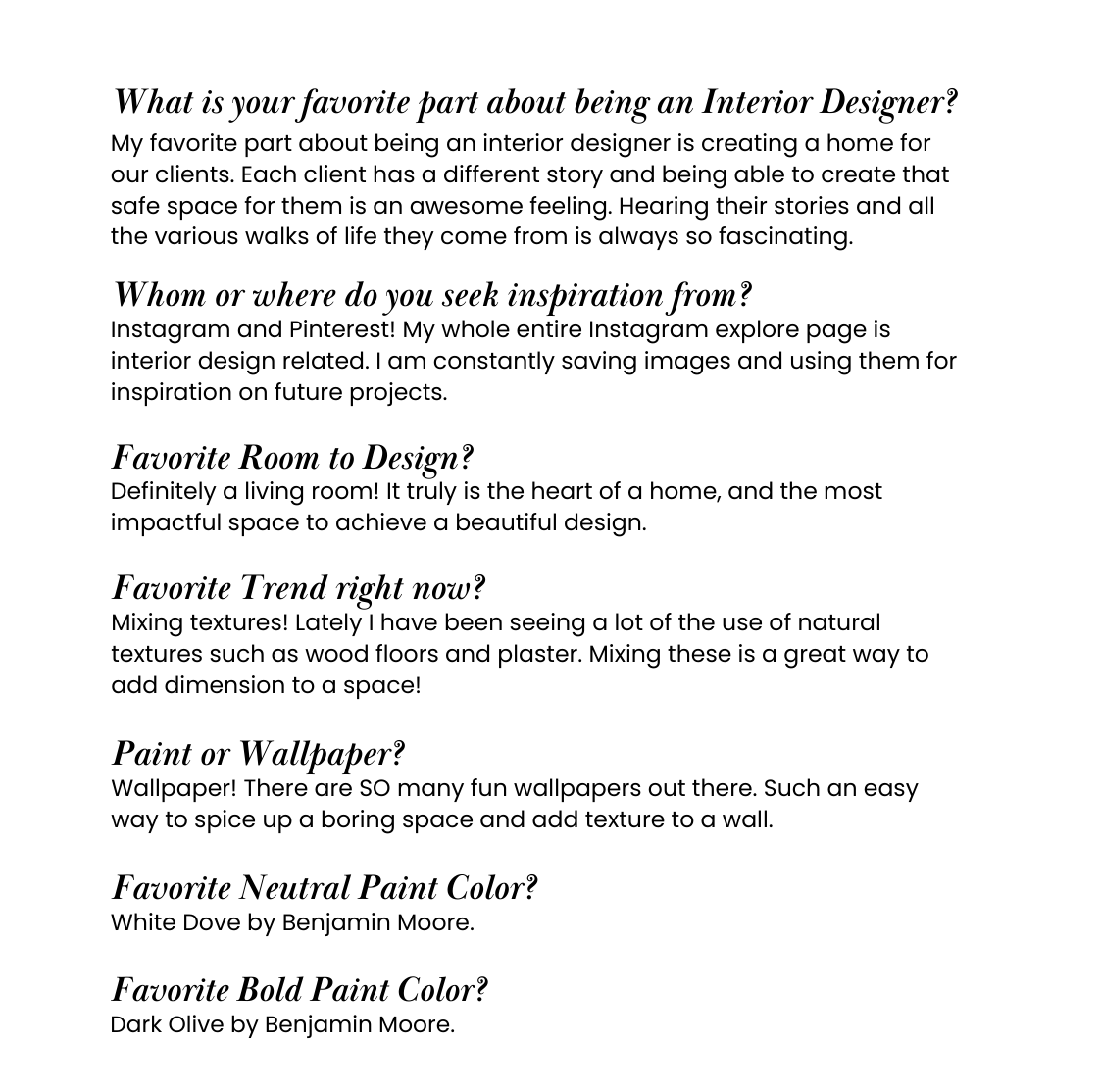
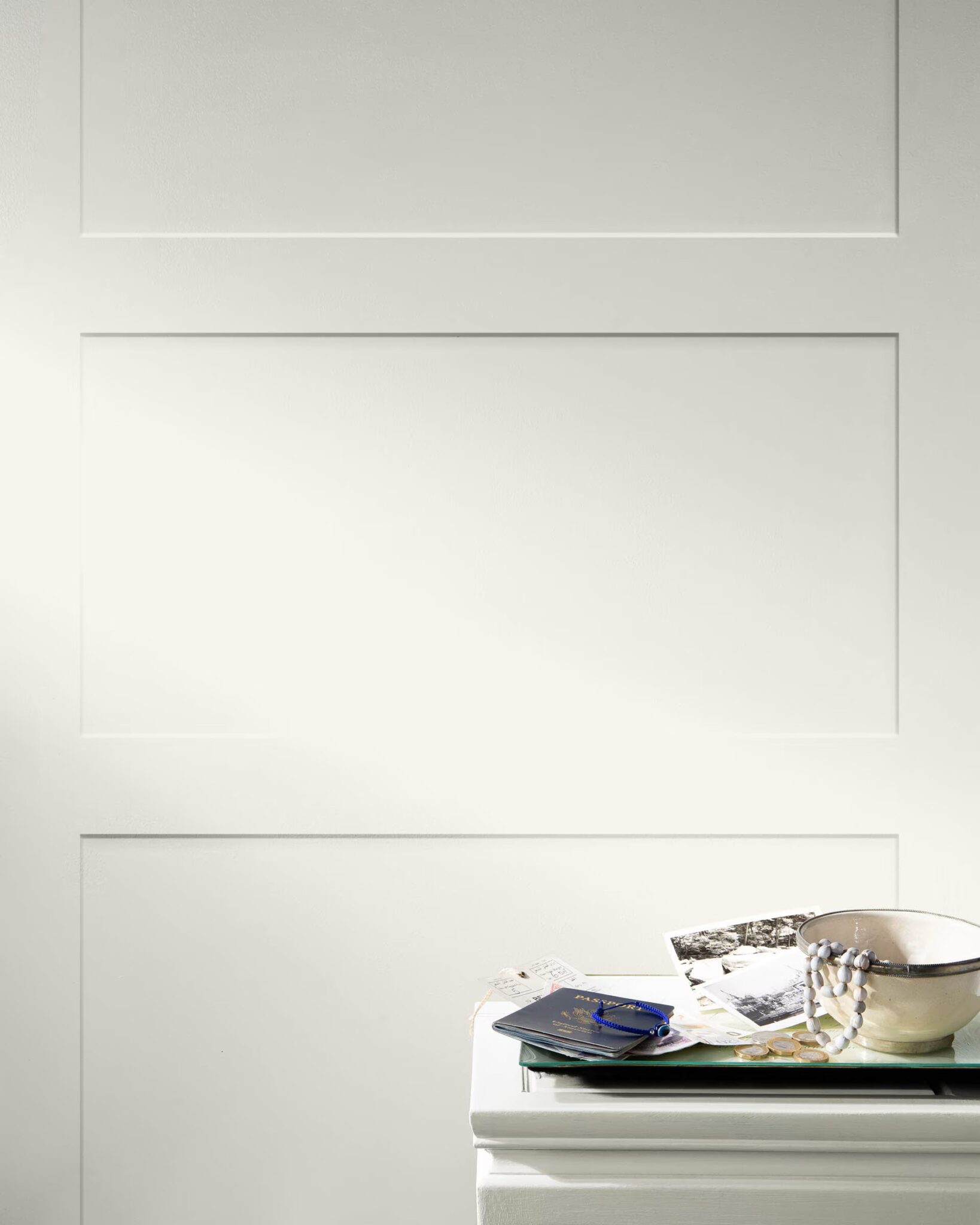
White Dove by Benjamin Moore.
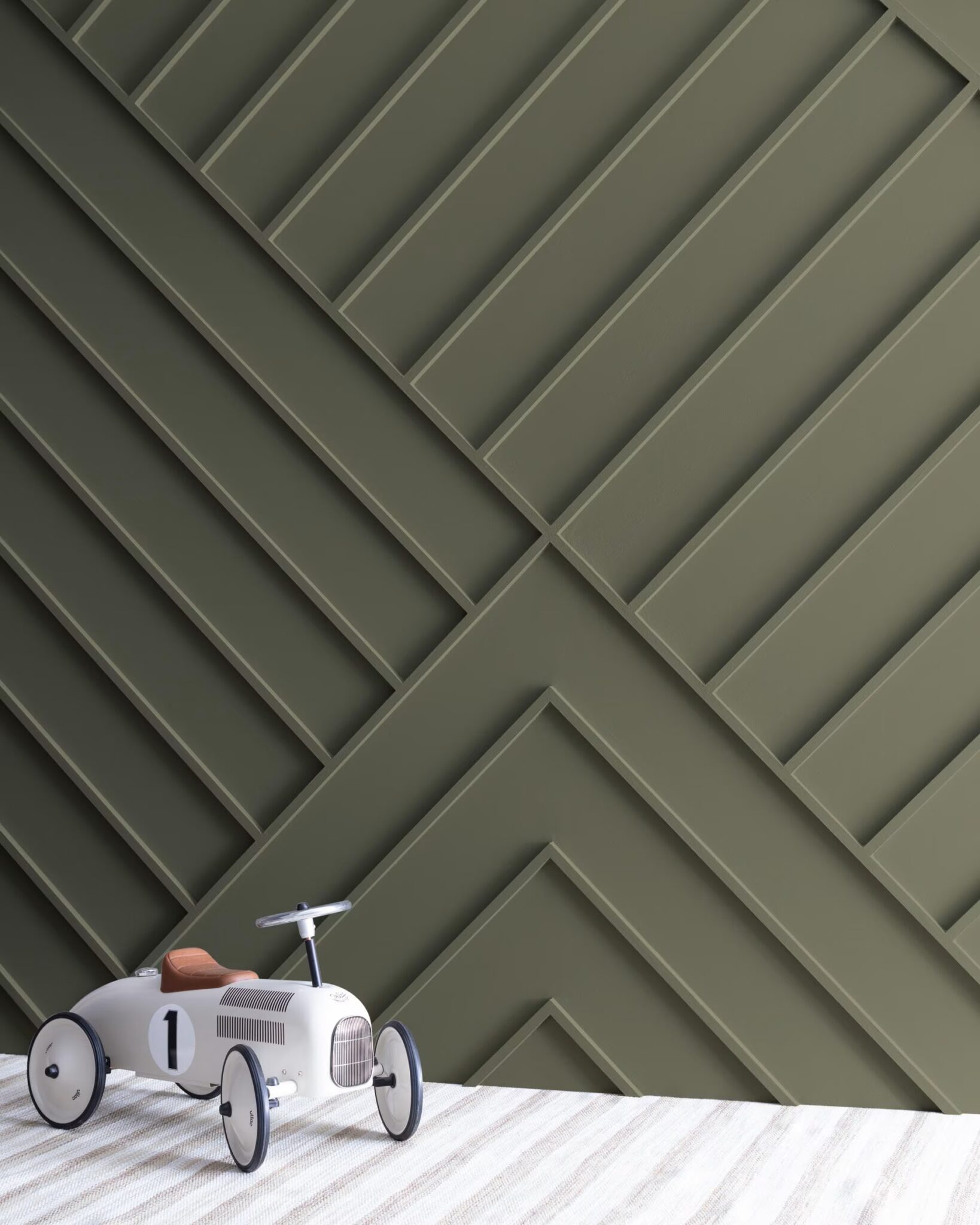
Dark Olive by Benjamin Moore

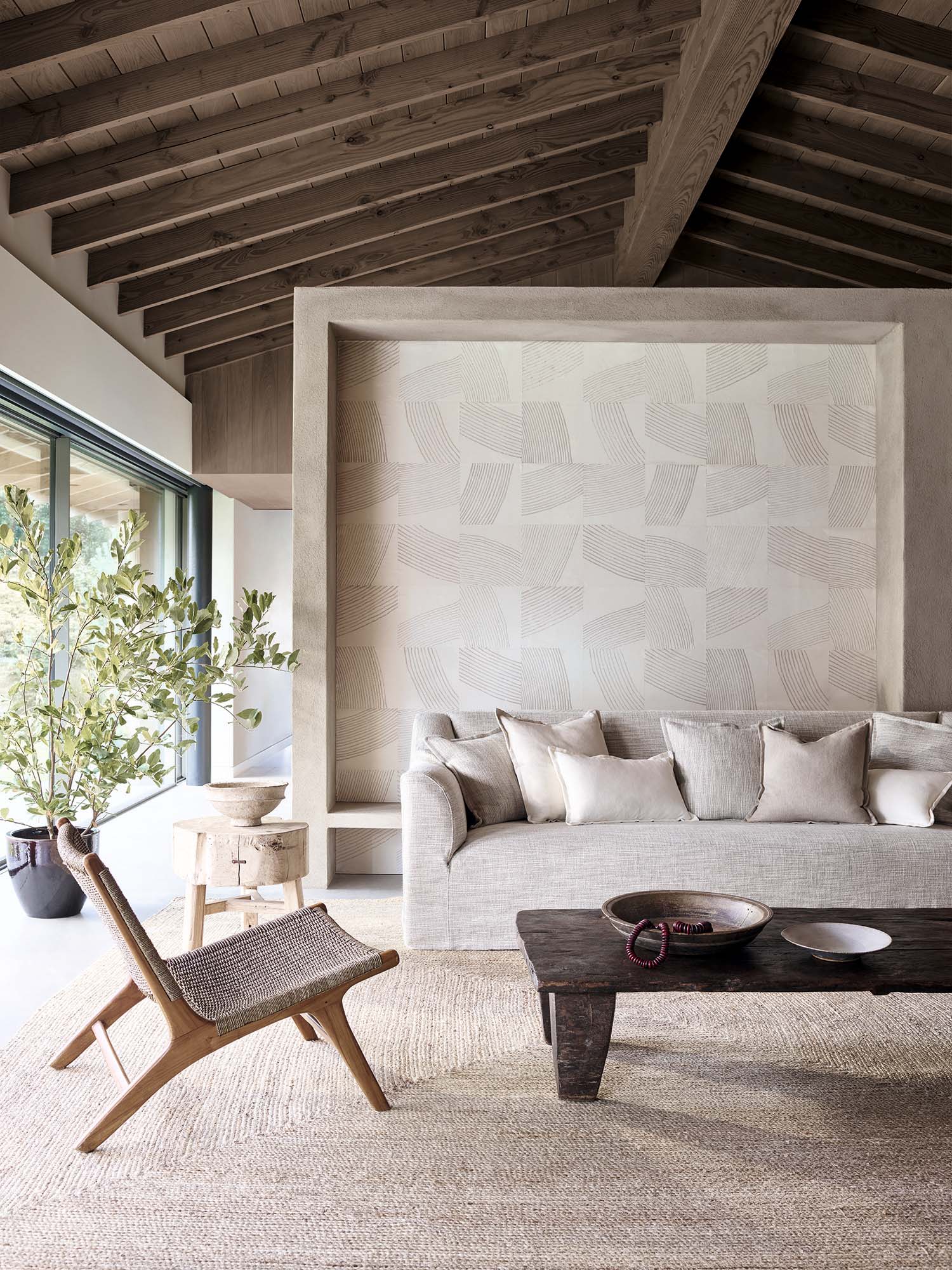
Suna by Mark Alexander.
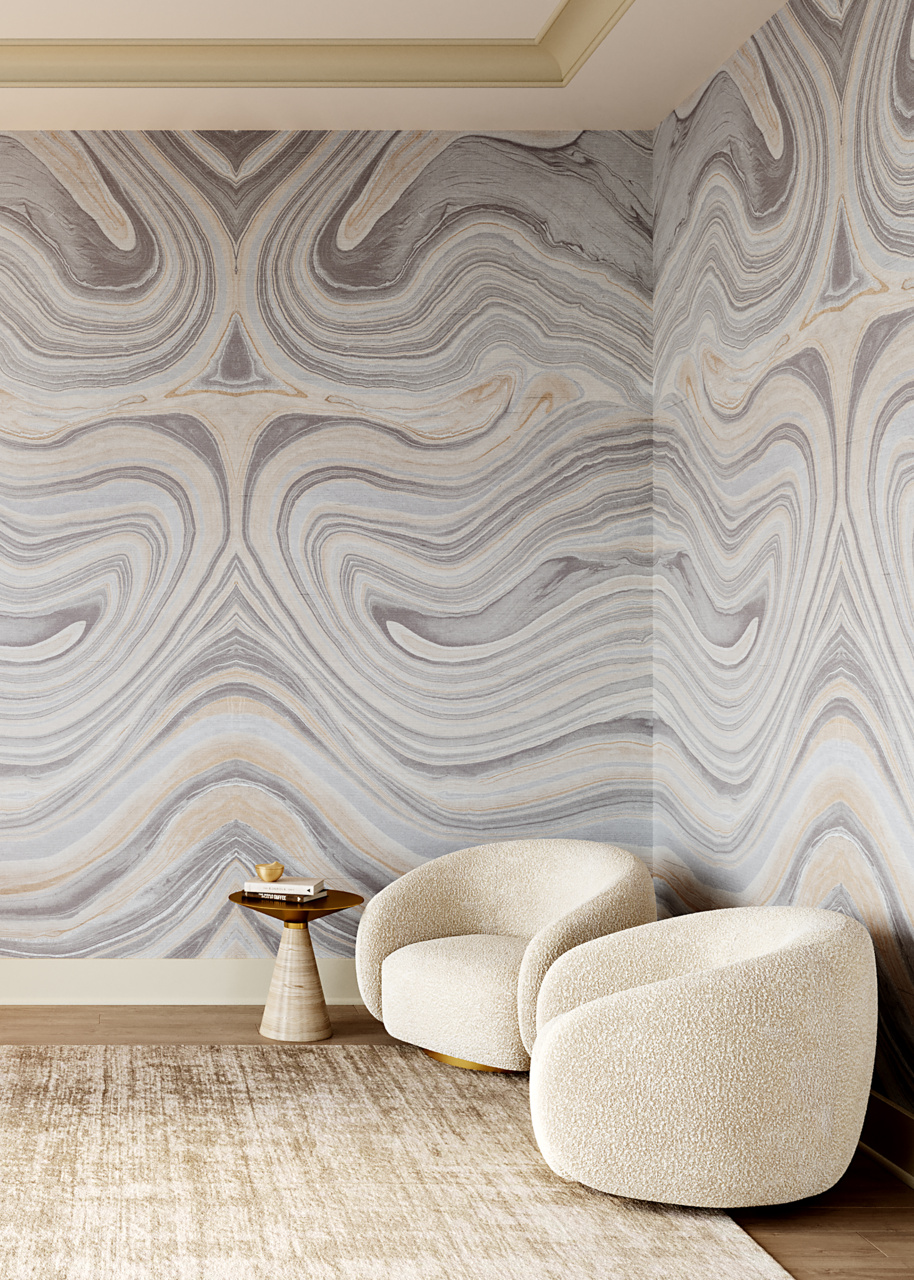
Ripples by Phillip Jeffries.

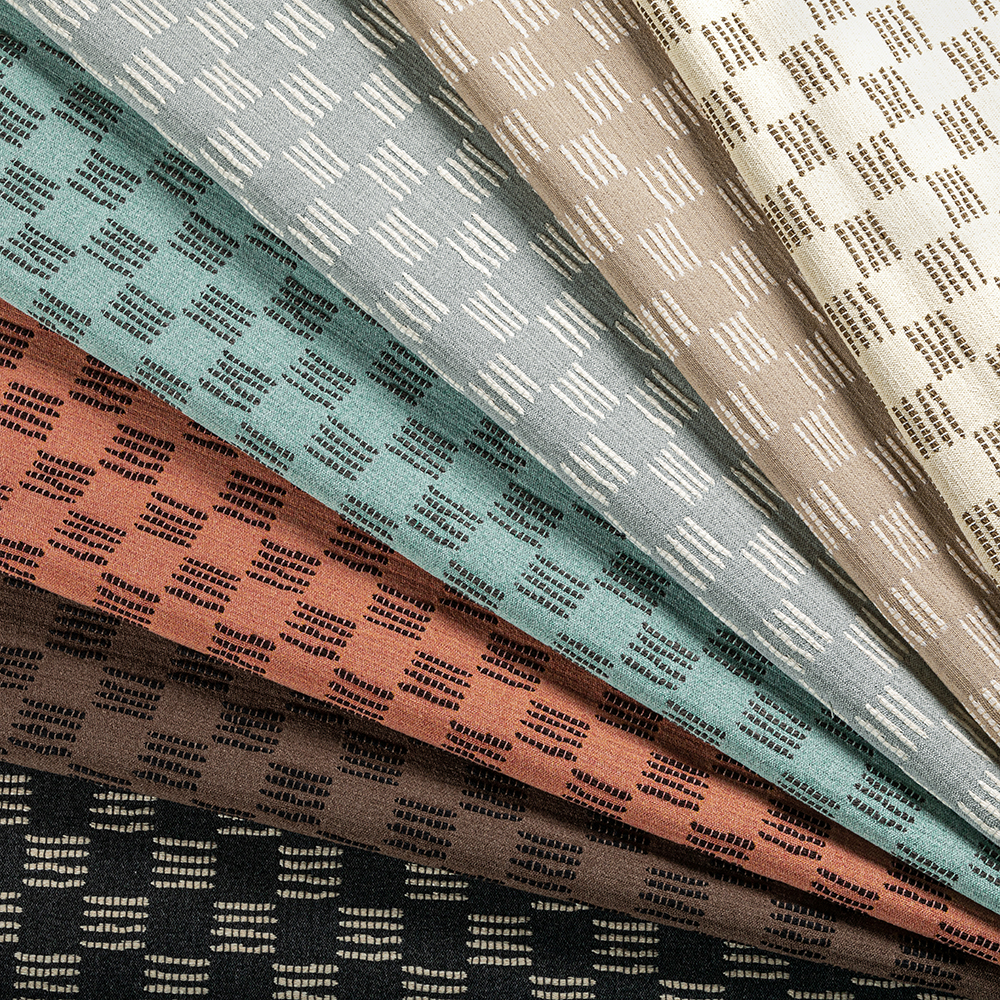
Lee Jofa Modern x Kelly Wearstler. Stroll.


Incorporating Coastal Elements In Your Home
The coastal aesthetic is all about bringing the tranquility and charm of the seaside into your living space. Whether you live near the shore or miles away, incorporating coastal elements can create a serene and refreshing environment that evokes the calm and beauty of the ocean. Here’s how you can transform your home into a coastal haven:
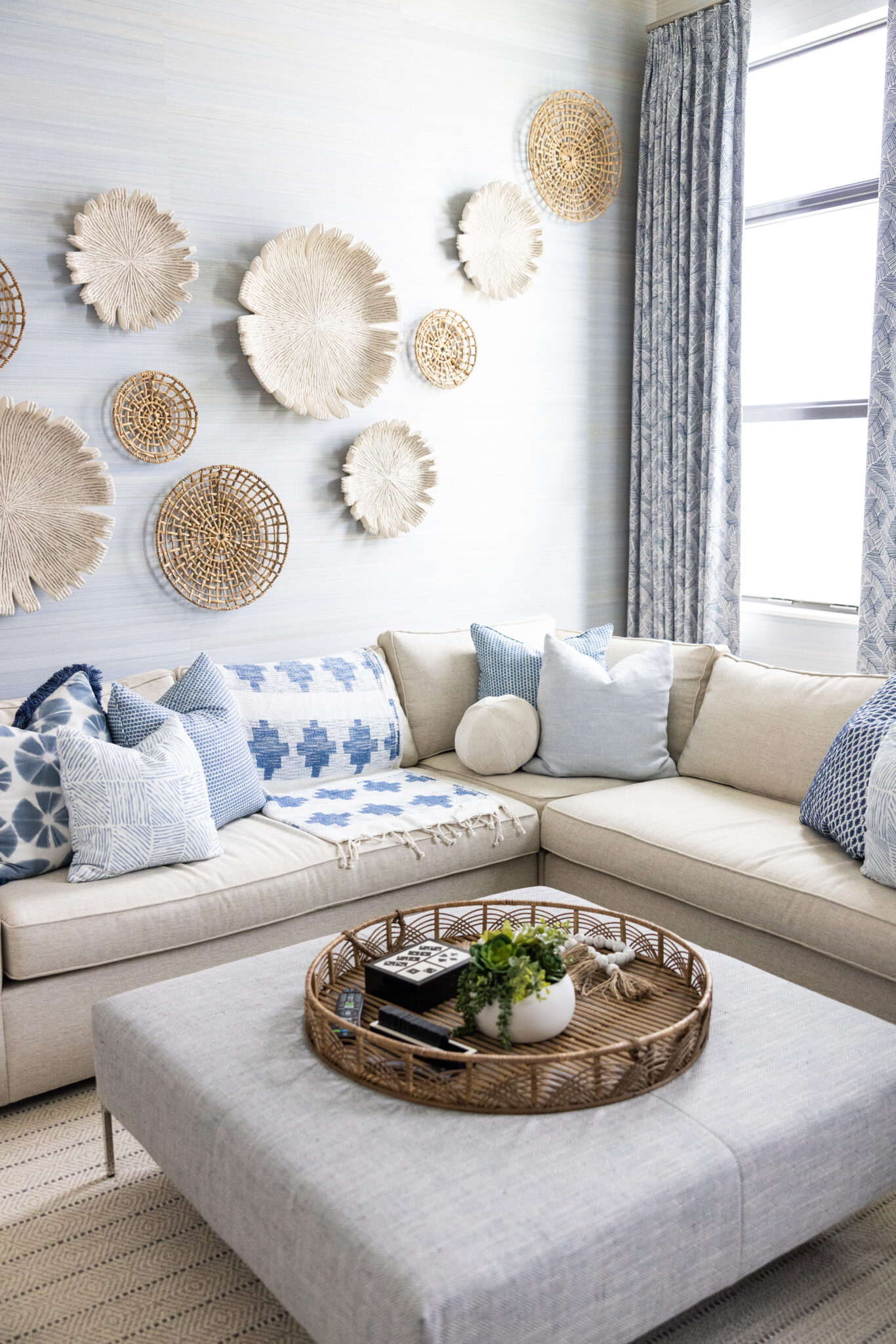
Interior Design by Krista + Home. Photography by Eve Greendale.
Embrace the Blues and Whites
The foundation of coastal design is its color palette. Think of the colors representing the seaside: Blues, whites, beige, and green. We are no strangers to this color palette and are confident you can’t go wrong working with colors pulled from nature.
- Walls and Furniture: Opt for shades of white, light beige, and soft grey for a neutral backdrop. These colors provide a perfect canvas for the more vibrant blues and greens. Having neutral bones makes it easy to constantly make updates as you please with new pillows, etc.
- Accents and Decor: Introduce various shades of blue, from deep navy to light aqua, through pillows, throws, and rugs. Complement these with touches of sandy beige and driftwood grey in furniture and decor items.
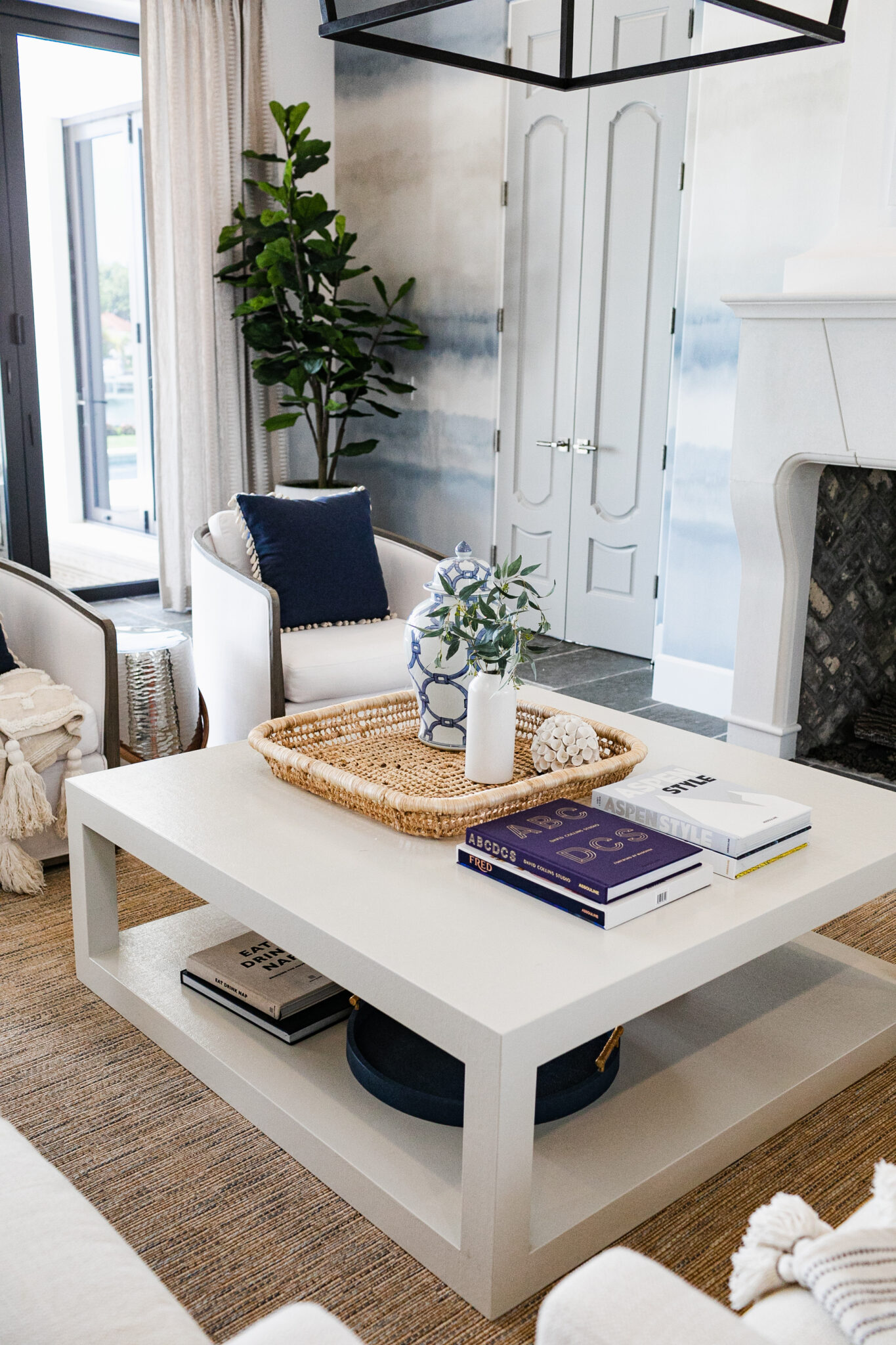
Interior Design by Krista + Home. Photography by Eve Greendale.
Incorporate Natural Elements
Coastal design emphasizes natural materials that reflect the beach and ocean environment. Incorporate the following materials to add an authentic coastal touch:
- Wood: Use reclaimed wood for furniture or decorative accents. Weathered or whitewashed finishes work particularly well to create a beachy vibe.
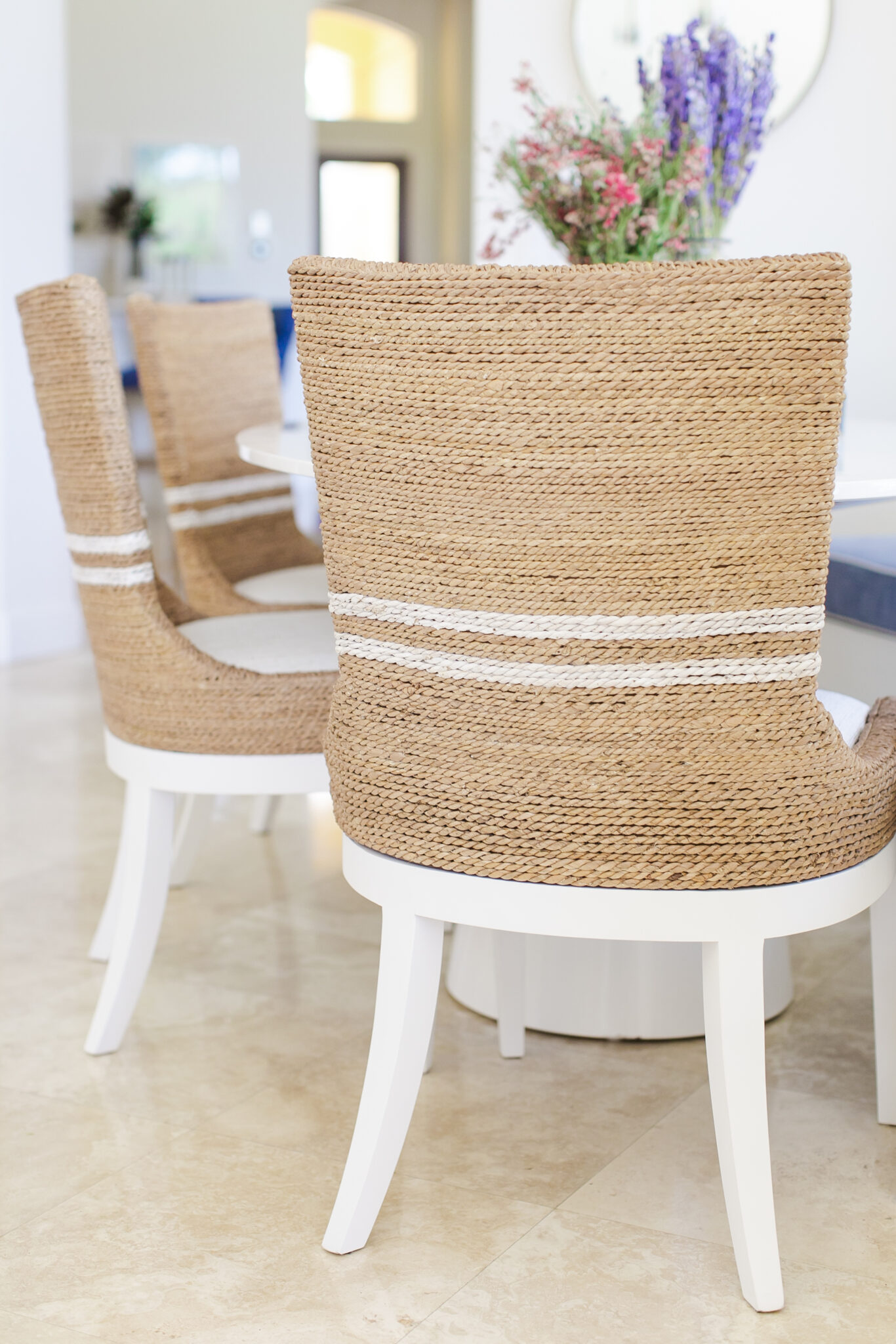
- Rattan and Wicker: These materials are perfect for chairs, side tables, and storage baskets. They add texture and a relaxed, casual feel.
- Natural Fibers: Jute, sisal, and seagrass rugs provide a natural, earthy base for your rooms and are durable and easy to maintain.
Interior Design by Krista + Home. Photography by Eve Greendale.
Coastal Decor
Nautical decor elements can enhance the coastal theme without overwhelming the space. Here’s how to do it tastefully:
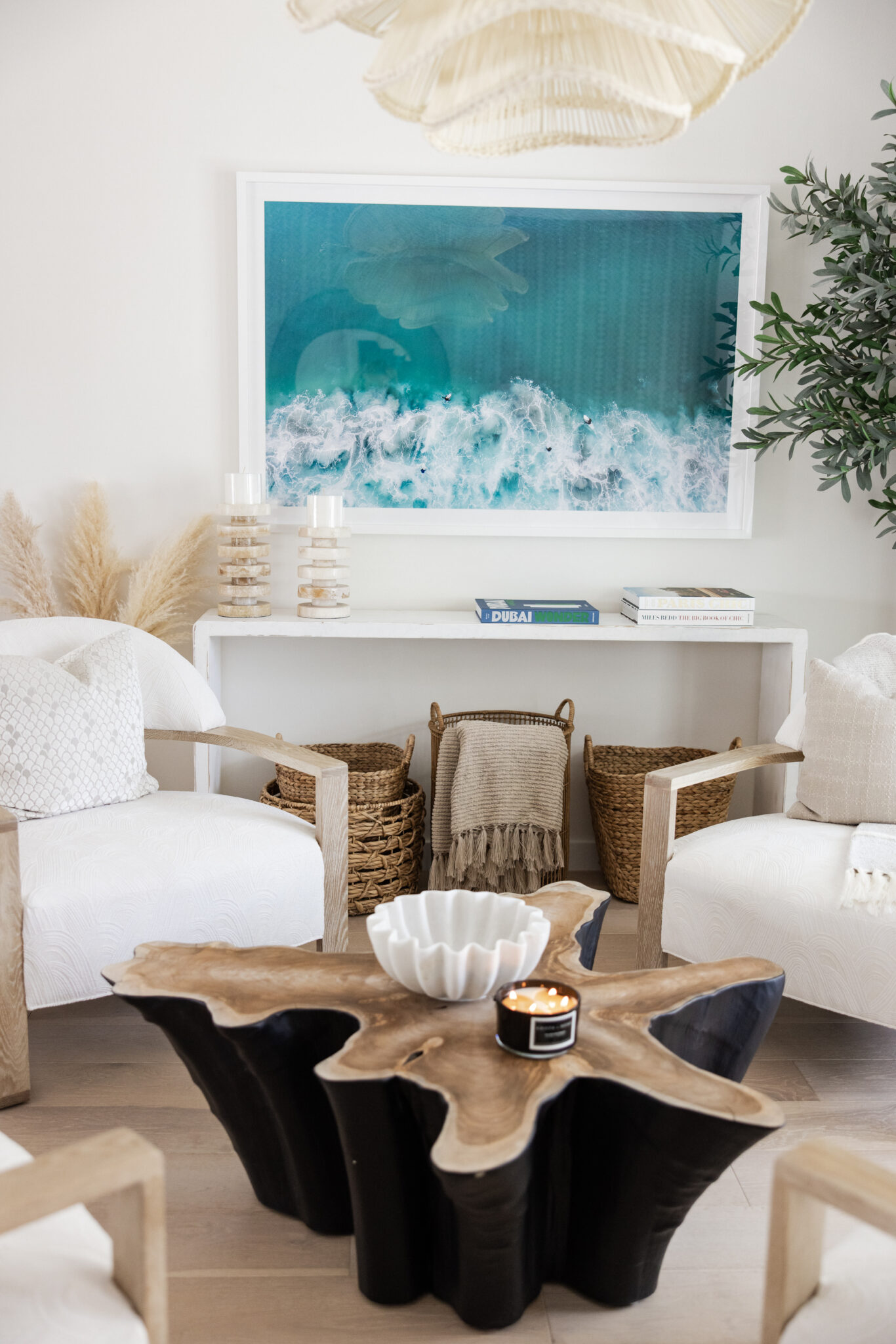
- Artwork: Choose pieces that depict beach scenes, ocean waves, or marine life. Keep the frames simple to maintain a clean look.
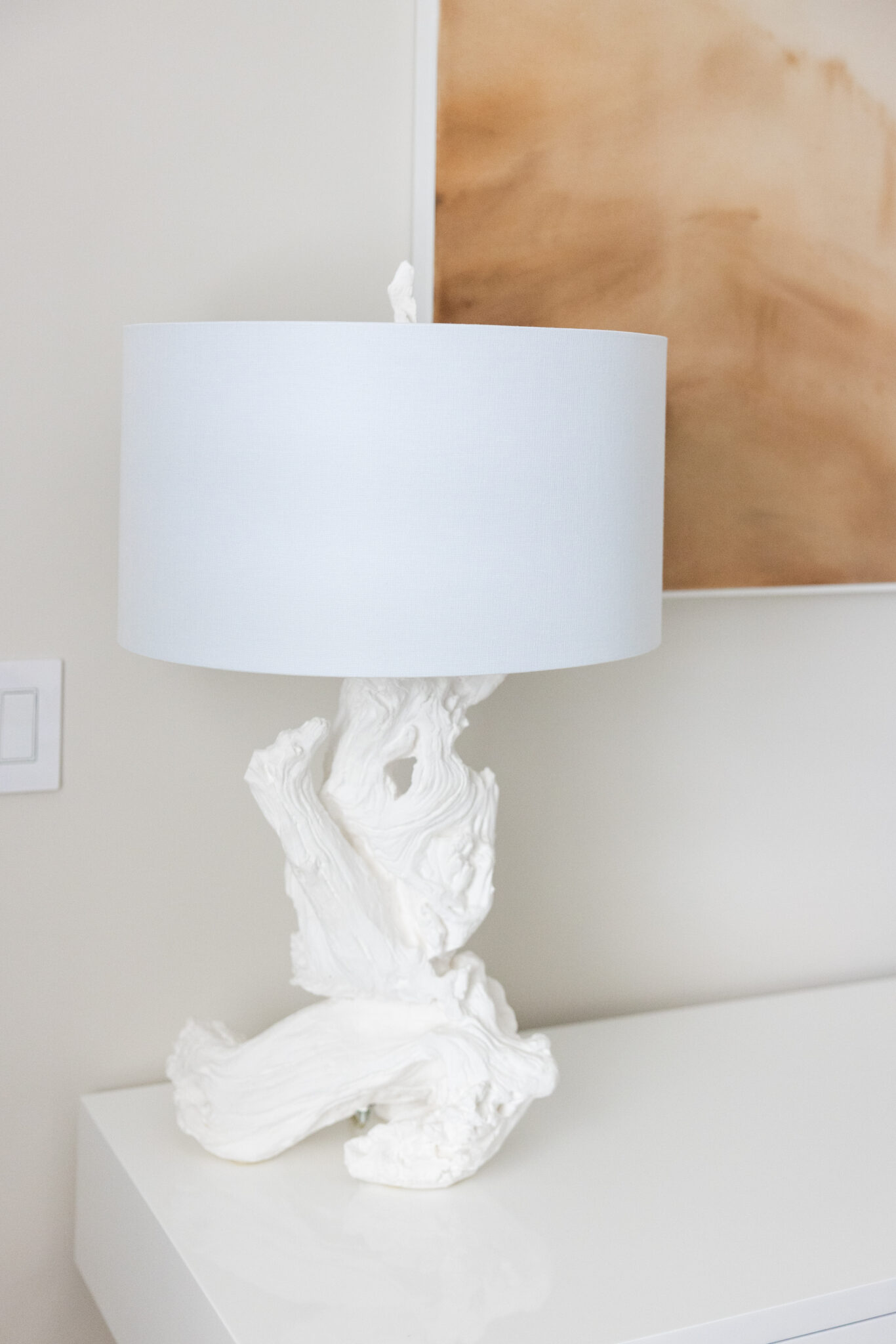
- Accessories: Incorporate items like driftwood sculptures, glass jars filled with shells, and nautical rope accents. Remember, less is more—avoid cluttering your space with too many items.
- Textiles: Look for fabrics with subtle nautical motifs such as anchors, shells, or fish. Use these sparingly on pillows, throws, or curtains.
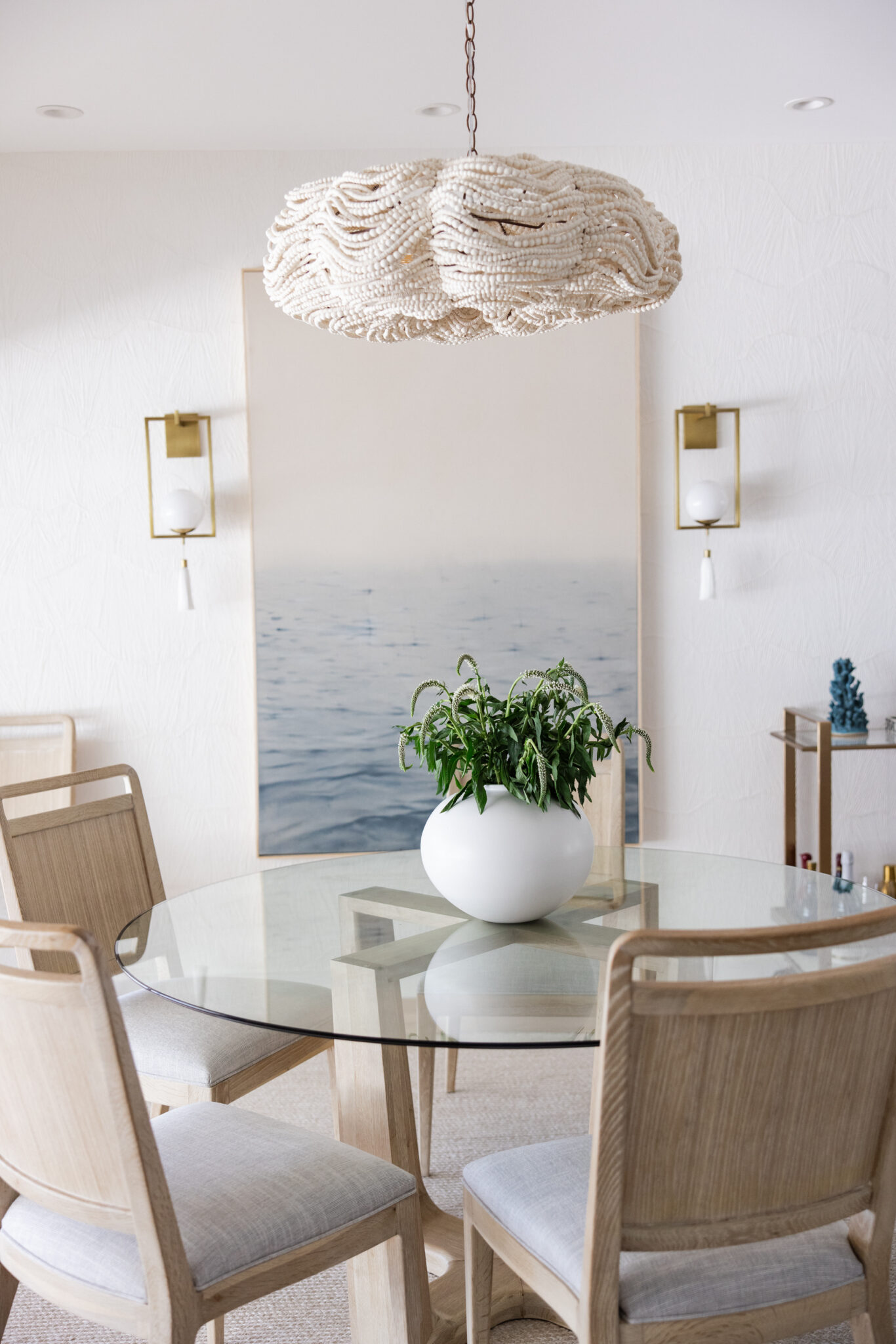
Interior Design by Krista + Home. Photography by Eve Greendale.
Maximize Natural Light
A coastal home should feel bright and airy, much like a day at the beach. Maximize the natural light in your home with these tips:
- Window Treatments: Choose light, sheer curtains that allow sunlight to filter through. Opt for shades of white or light blue to keep the look cohesive.
- Mirrors: Strategically place mirrors to reflect light and make the space feel larger and more open.
- Open Spaces: Arrange furniture to create open, flowing spaces that allow for easy movement and a relaxed atmosphere.
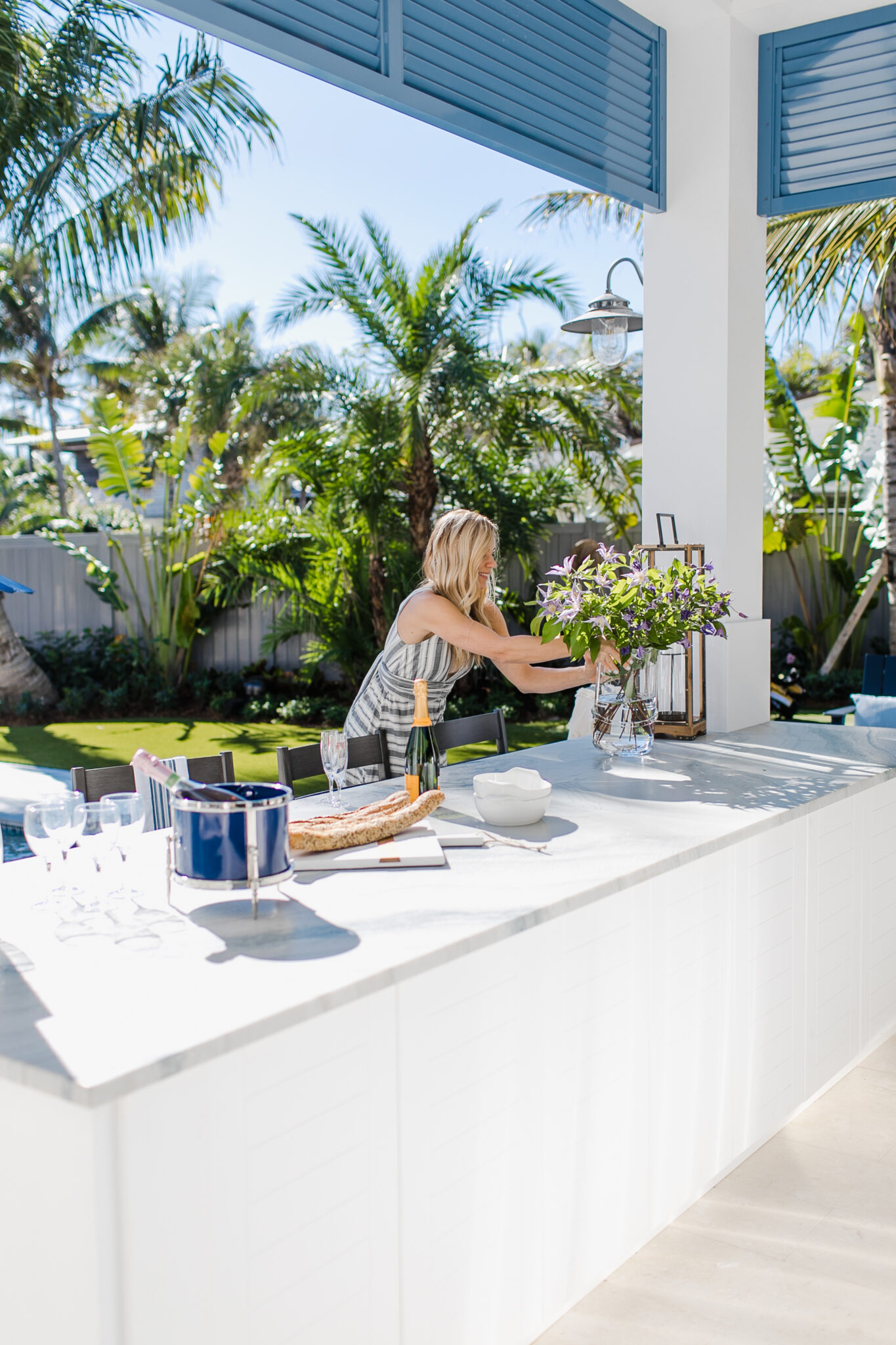
Interior Design by Krista + Home. Photography by Eve Greendale.
Seamless Indoor-Outdoor Living
Blur the lines between indoor and outdoor spaces to fully embrace the coastal lifestyle:
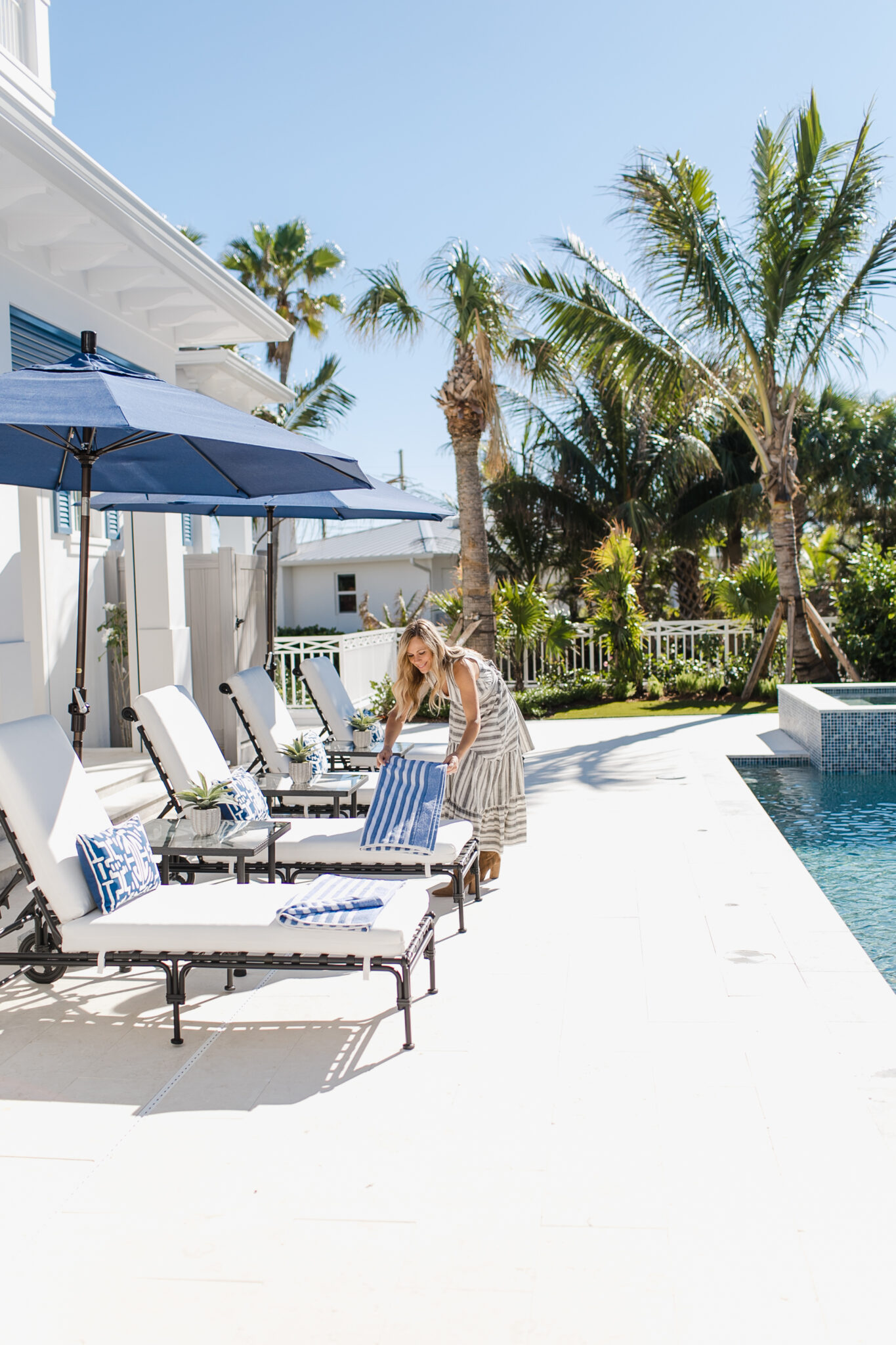
- Outdoor Furniture: Use similar materials and colors for your outdoor furniture to create a seamless transition from indoor to outdoor spaces.
- Plants: Incorporate potted plants and greenery that thrive in coastal environments, such as succulents, palms, and ferns. These add a fresh, natural element to your decor.
- Outdoor Decor: Add elements like lanterns, outdoor rugs, and cozy seating areas to your patio or deck to create an inviting extension of your indoor living space.
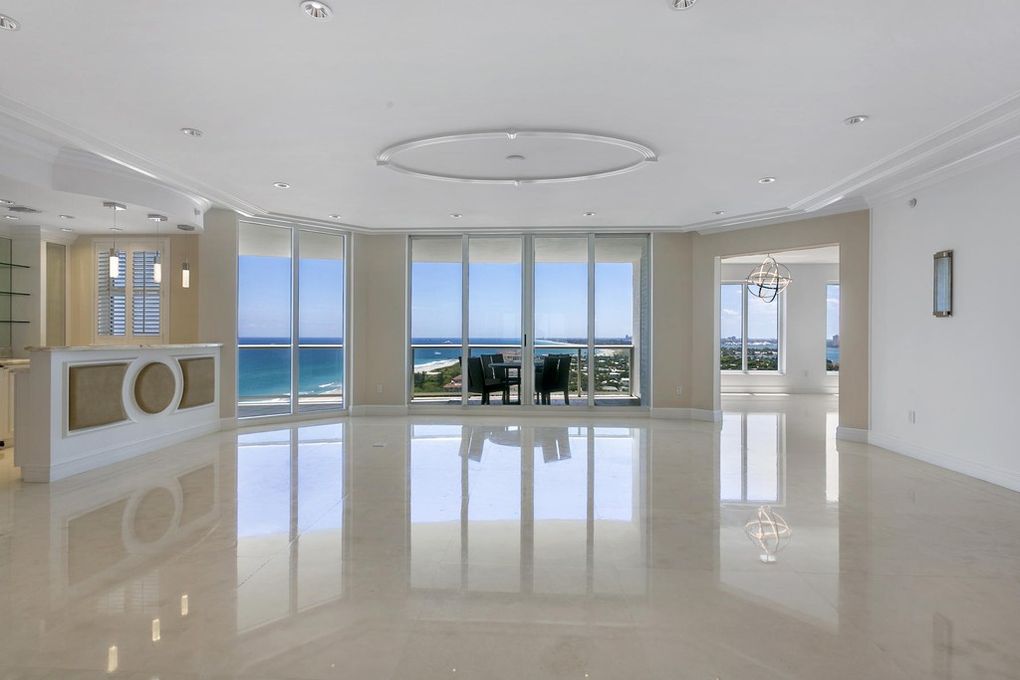
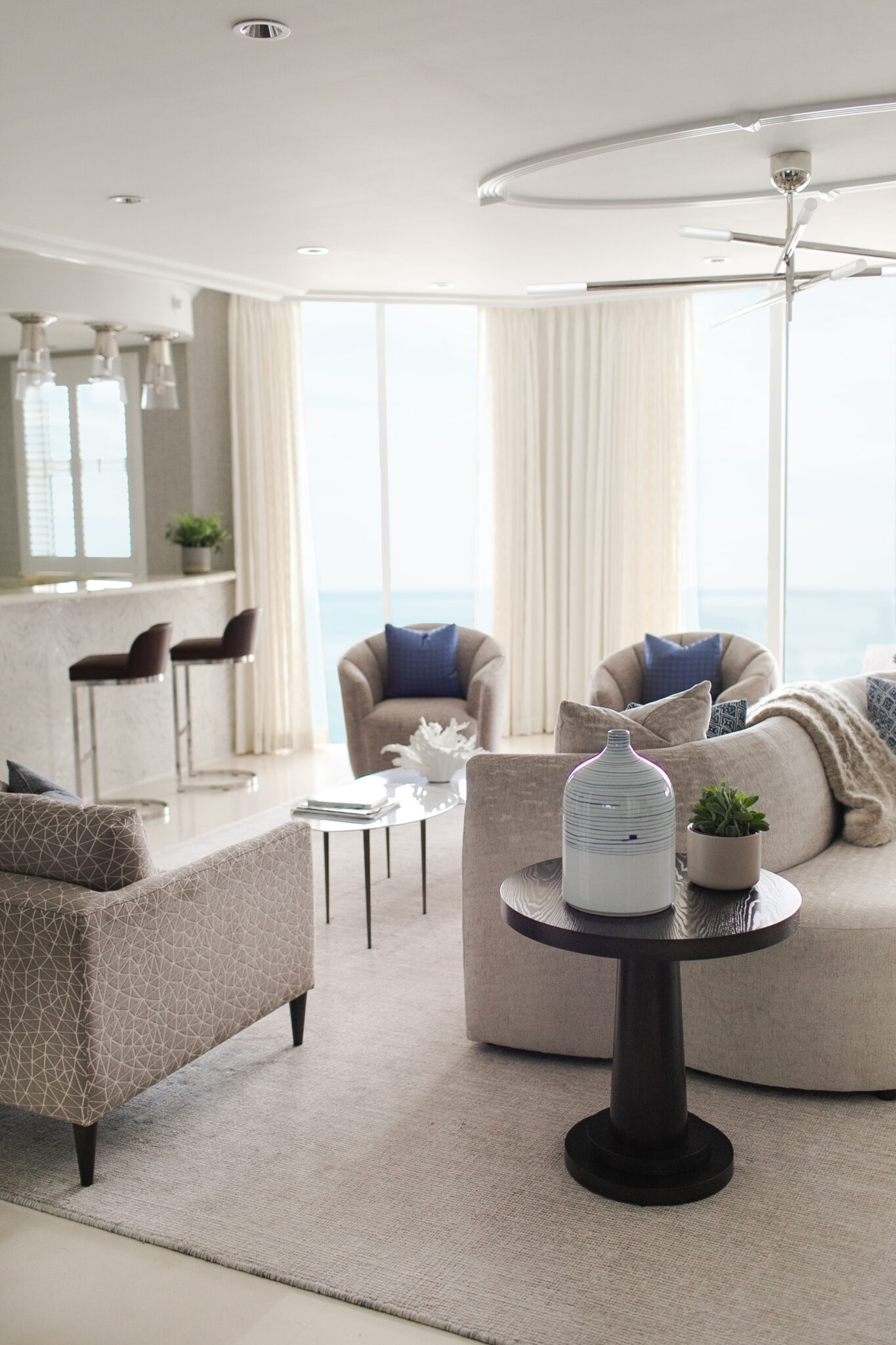
How to Approach an Open Floor Plan
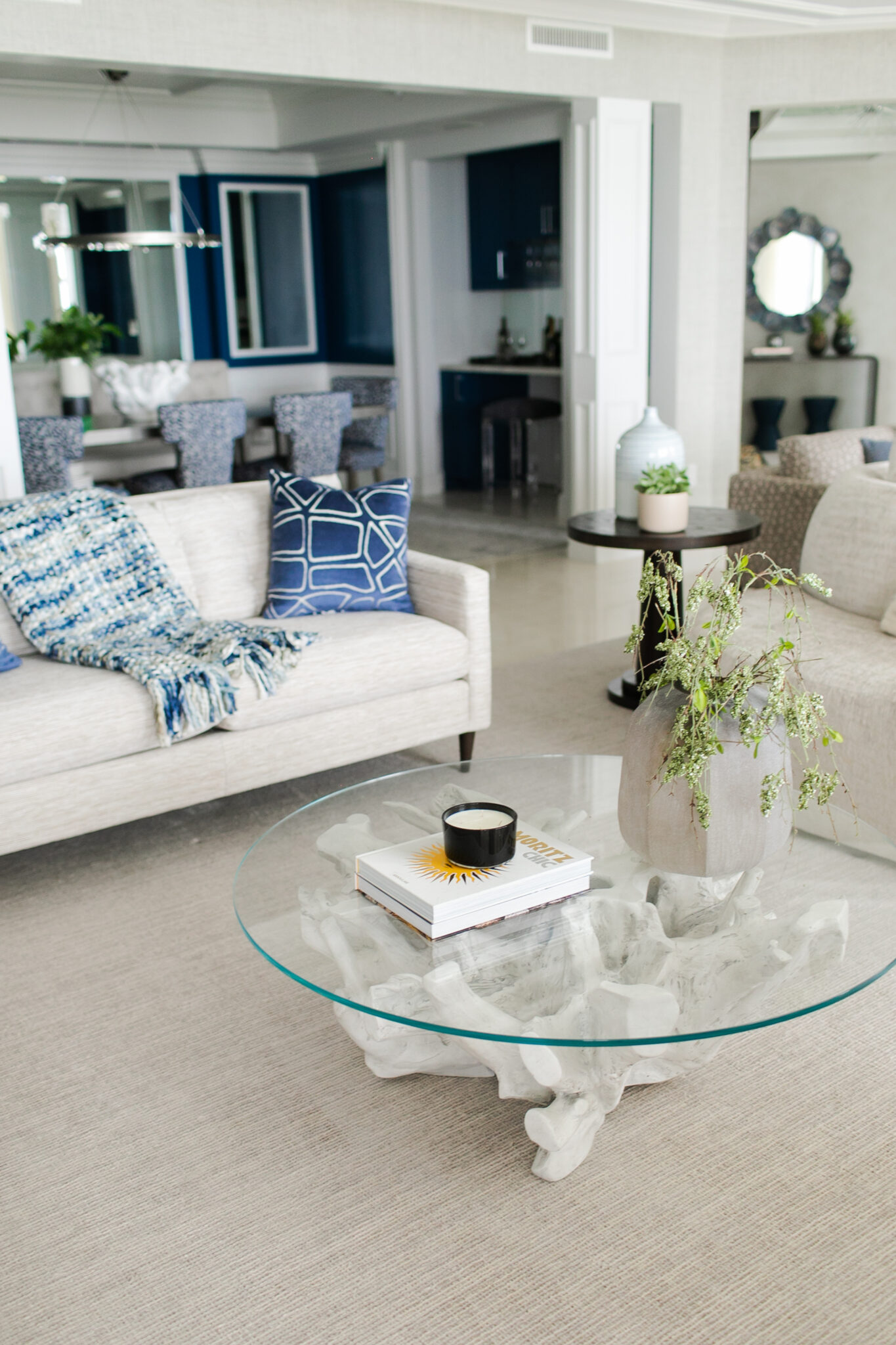
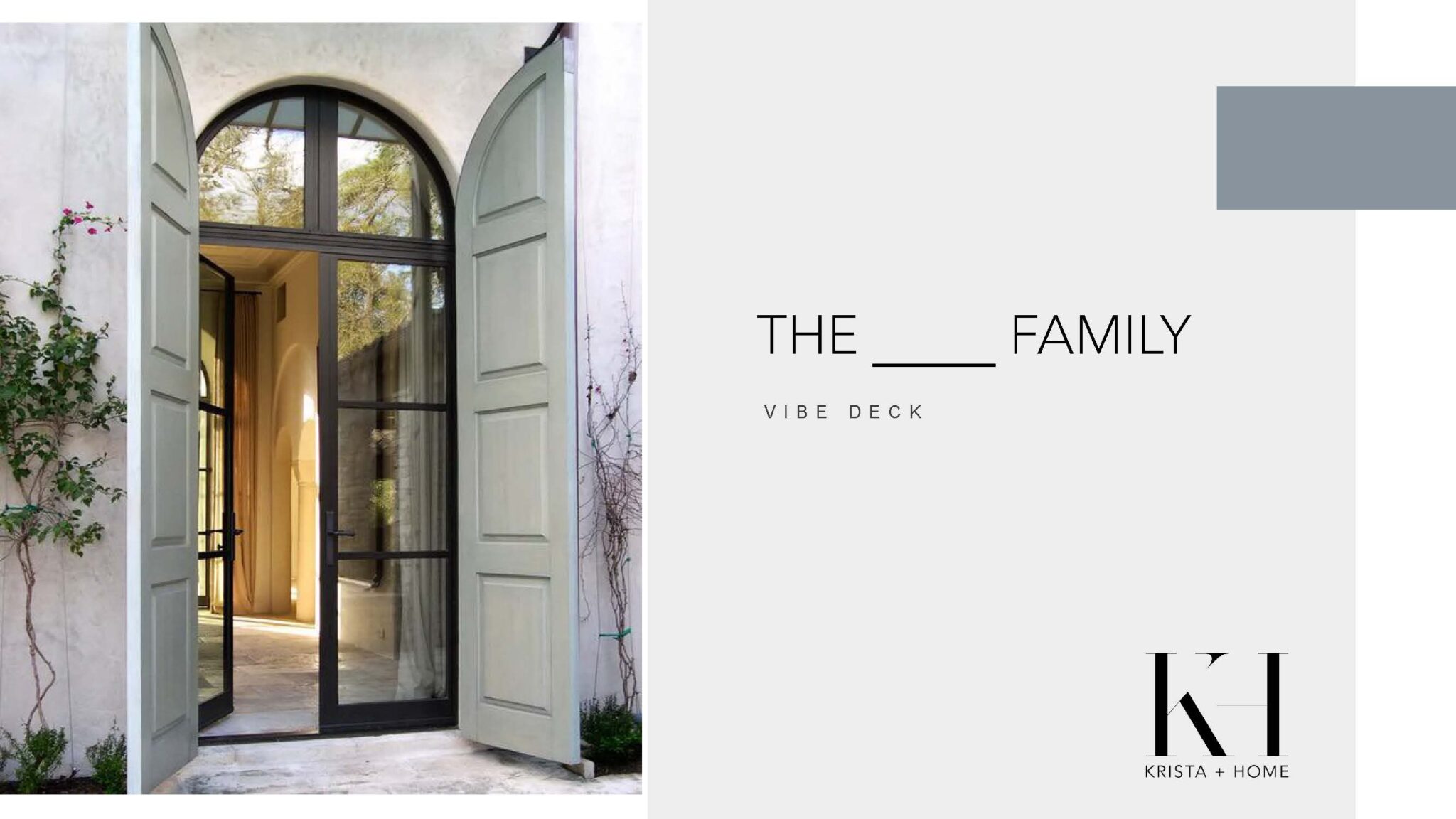
Vibe Deck – How We Find Inspiration For Your Project
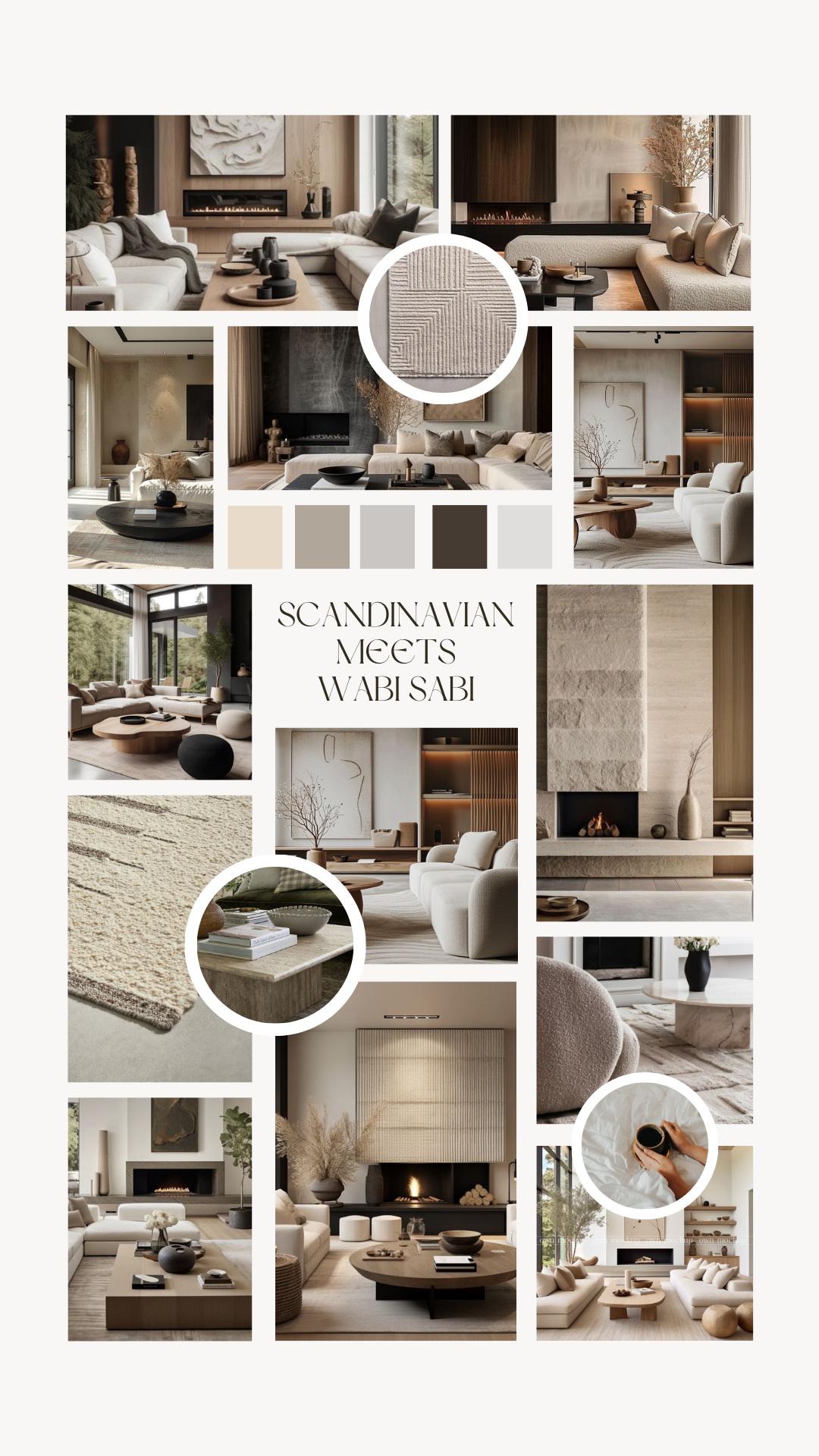
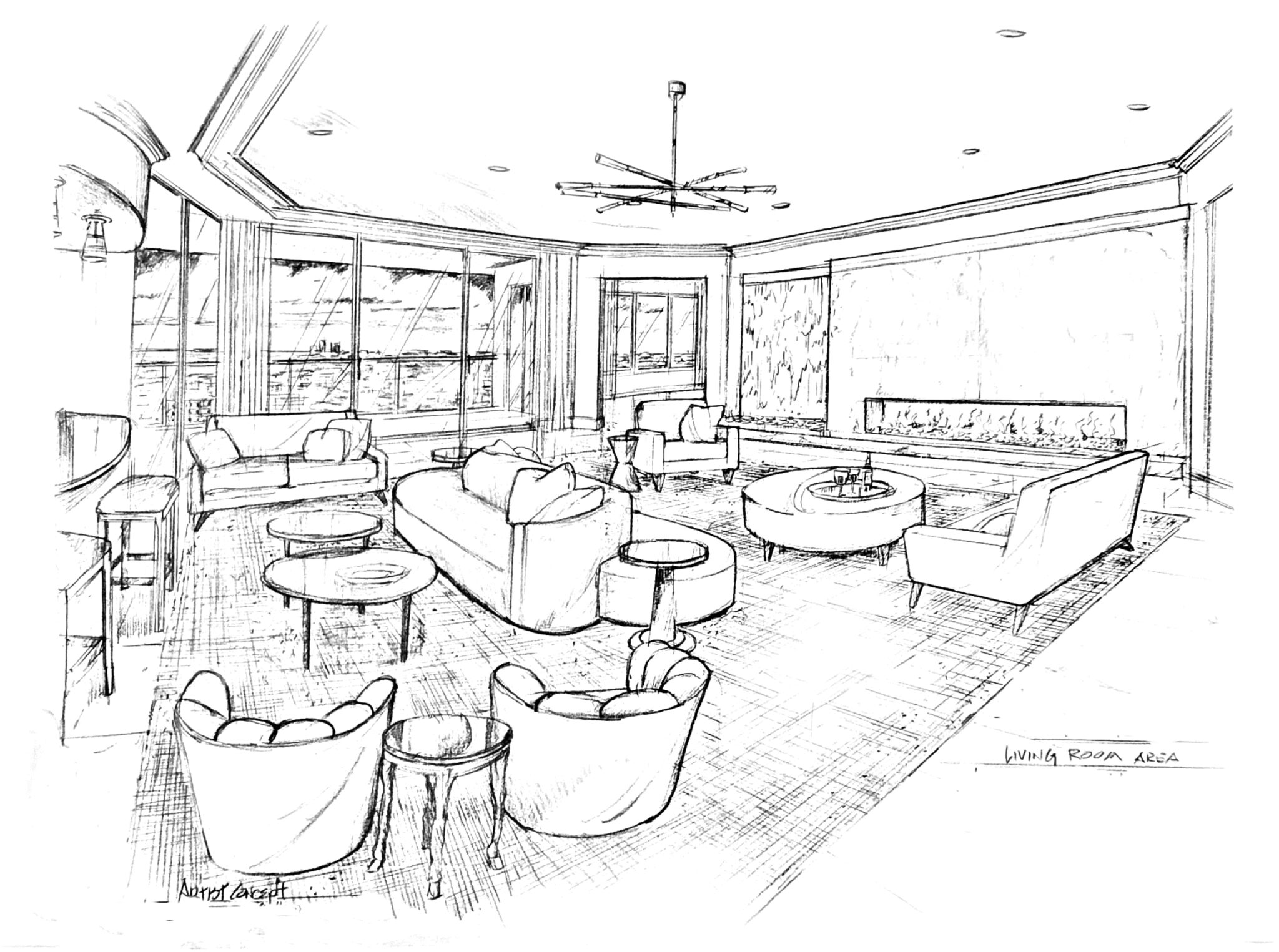
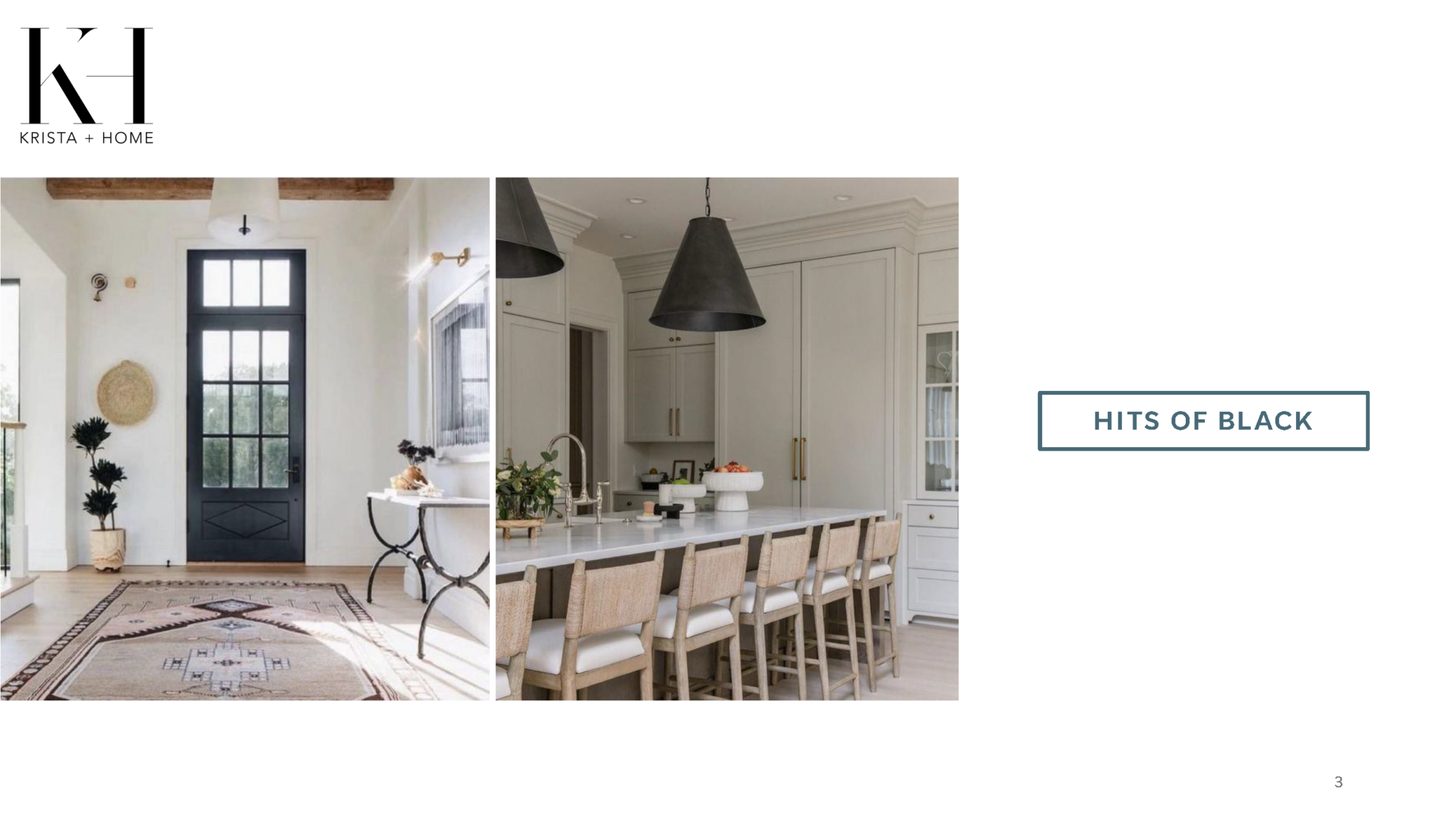
At K+H we want to ensure that your home fits your style. Everyone has unique styles and they can all be correct. While we make suggestions and introduce you to new and innovative designs, we want to make sure your home is your ~vibe~. After we speak with you and get to know you a little more, we ask you to make a Pinterest Board or send us photos on Instagram of images and inspiration you like! We wouldn’t want to send you a coastal boho inspired design when like a moody cultured design!
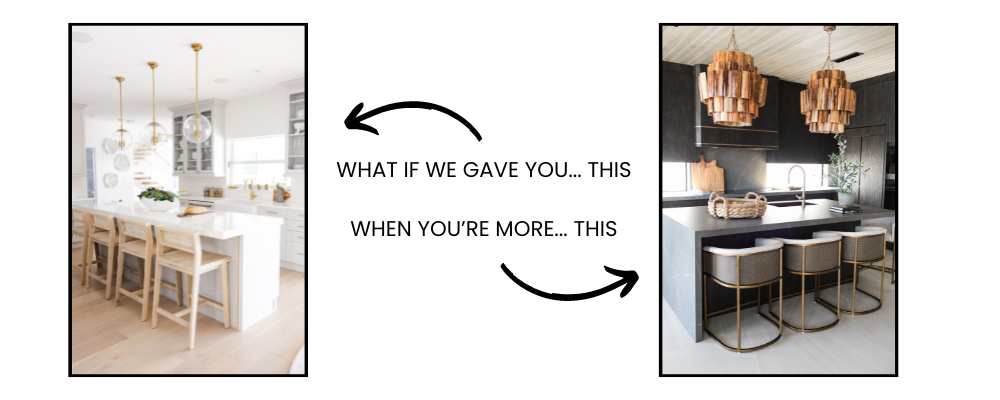
Interior Design by Krista + Home. Photography by Eve Greendale.
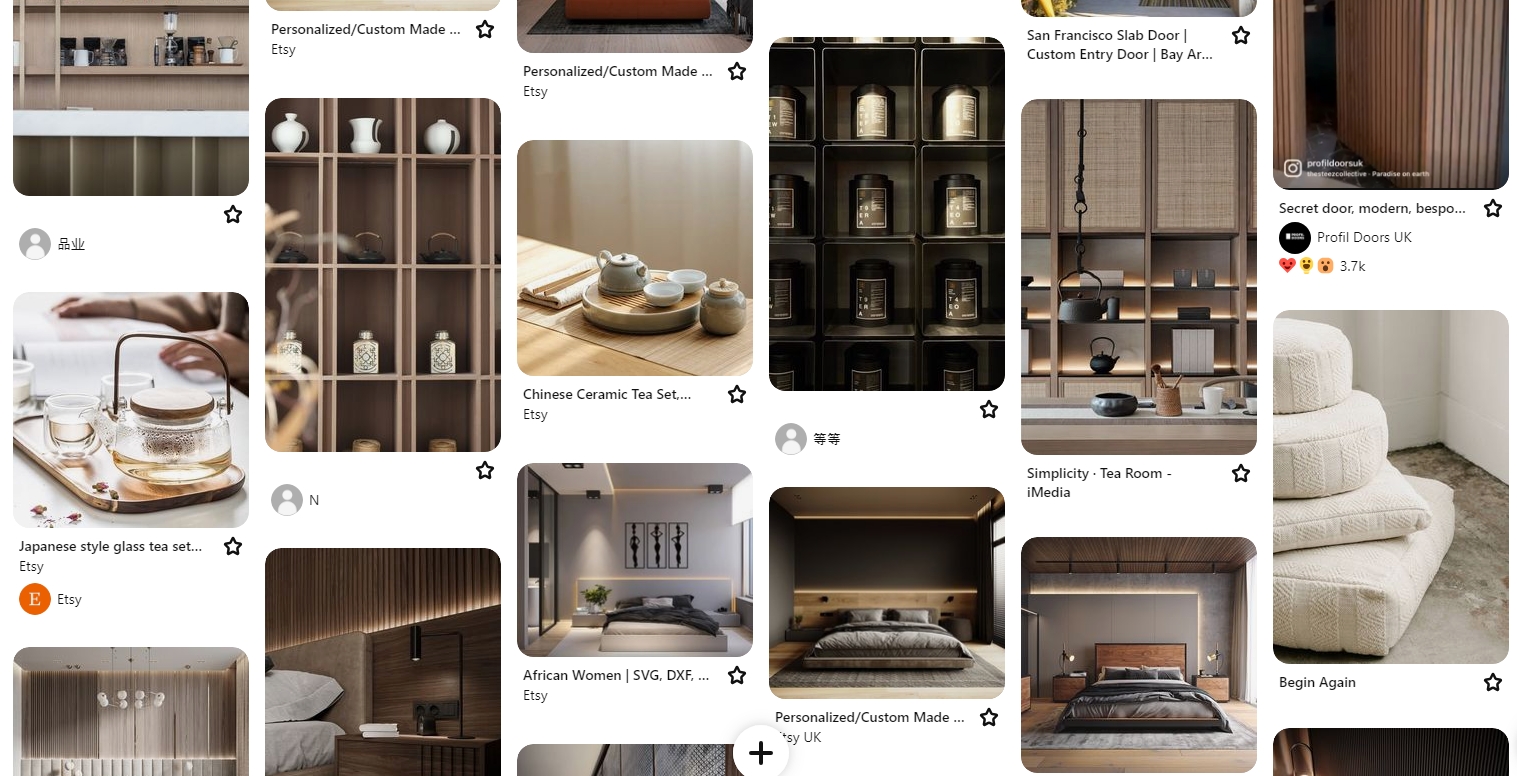
Examples of Previous Clients Pinterest Boards:
Or do it by room!
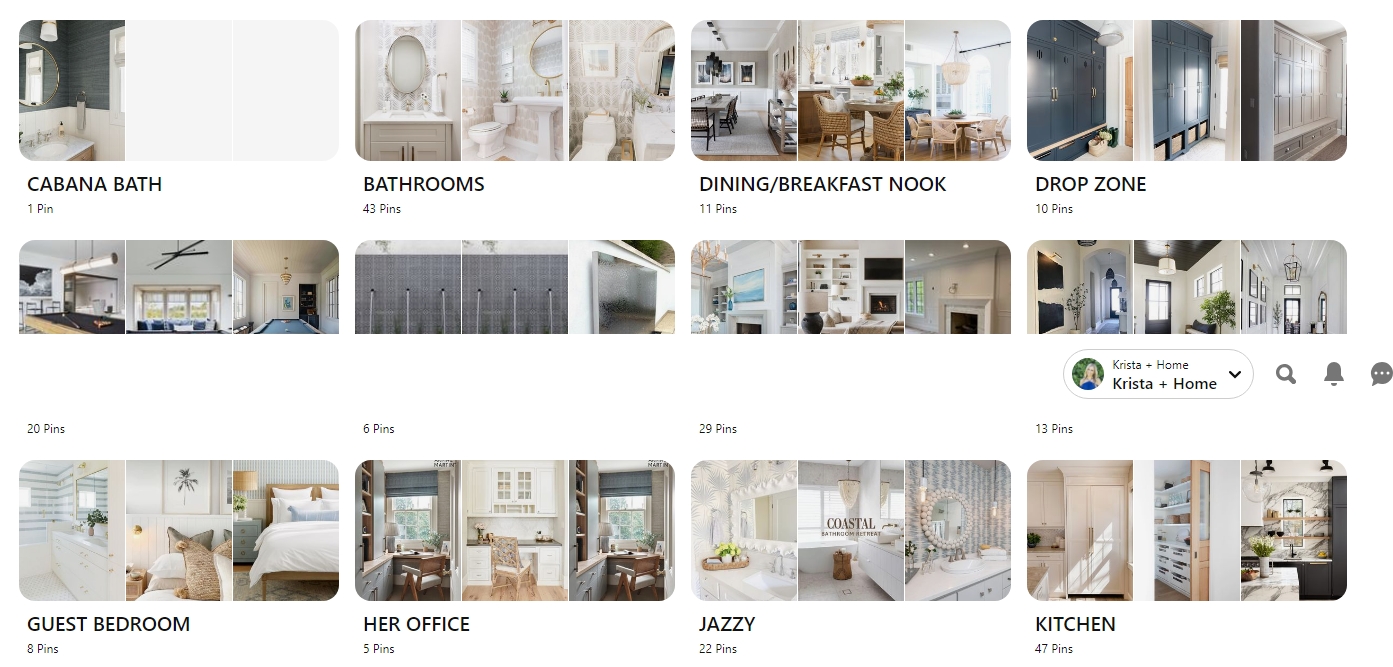
YOUR VIBE DECK
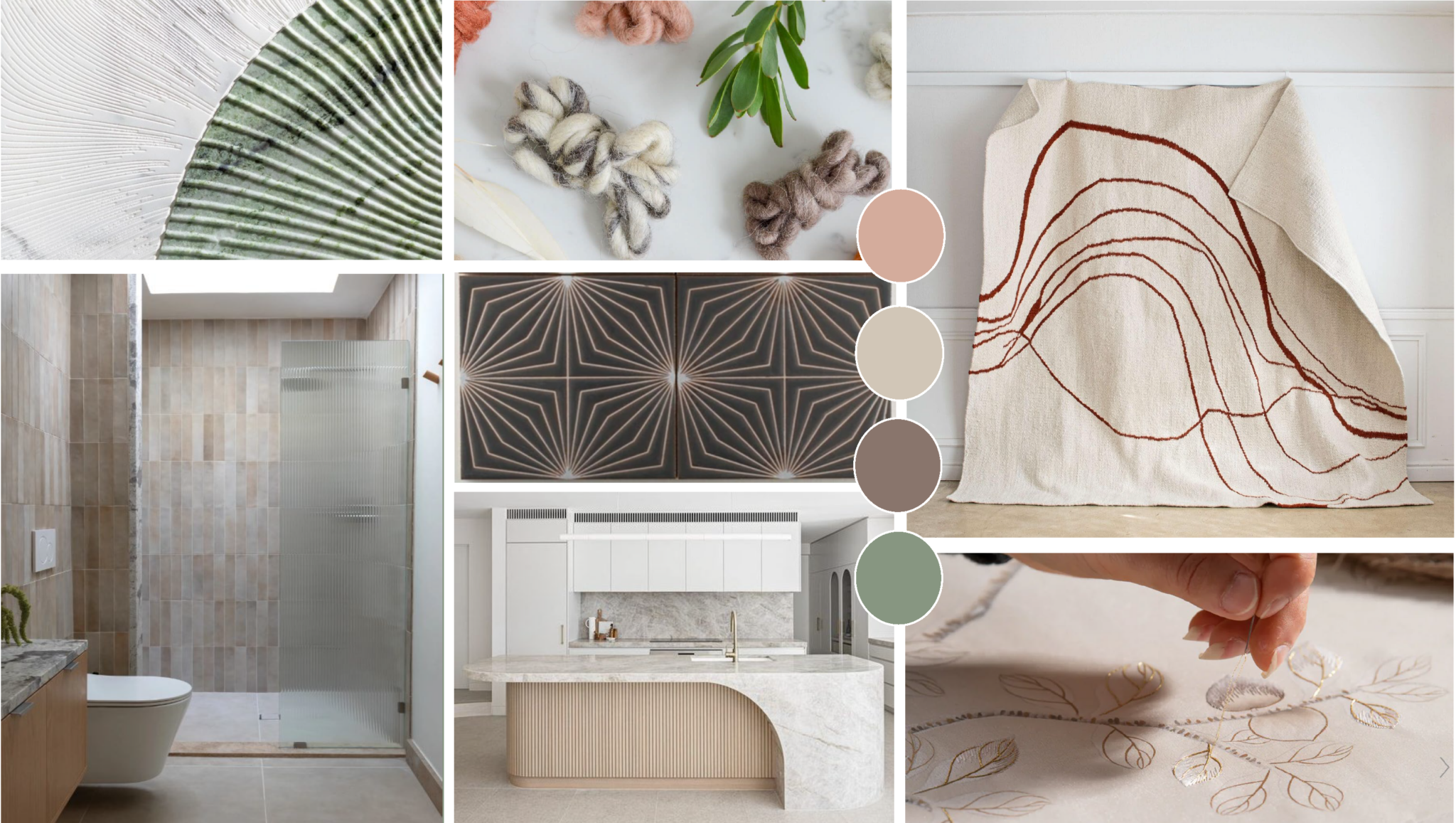
We look at these images and create a VIBE DECK for you to review to make sure we’re understanding your own style. That way when we make selections for you to choose from, we’re on the right path!
Each room in your home will have a main photo that combines what you have selected, and what we think would look and function best in your space! It’s so fun for us to do, we hope it’s fun for you too! Most importantly, it lets you know that we are hearing your voice!
Here’s an example of one of our past clients:
The Inspo Pics: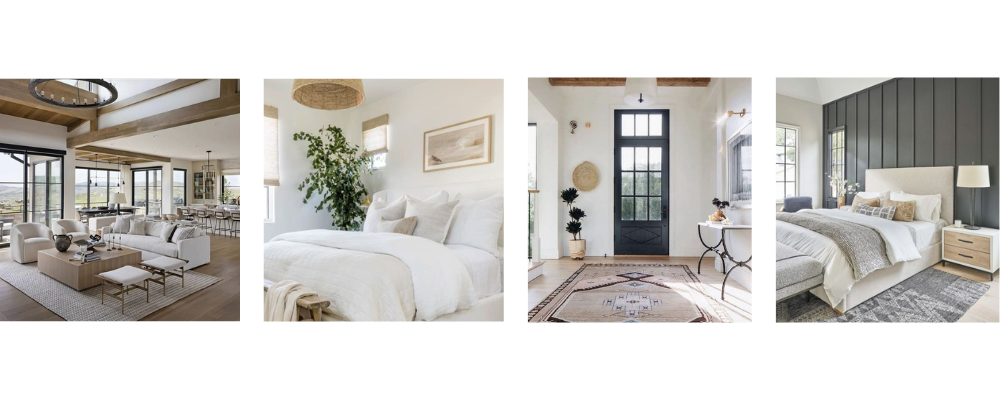
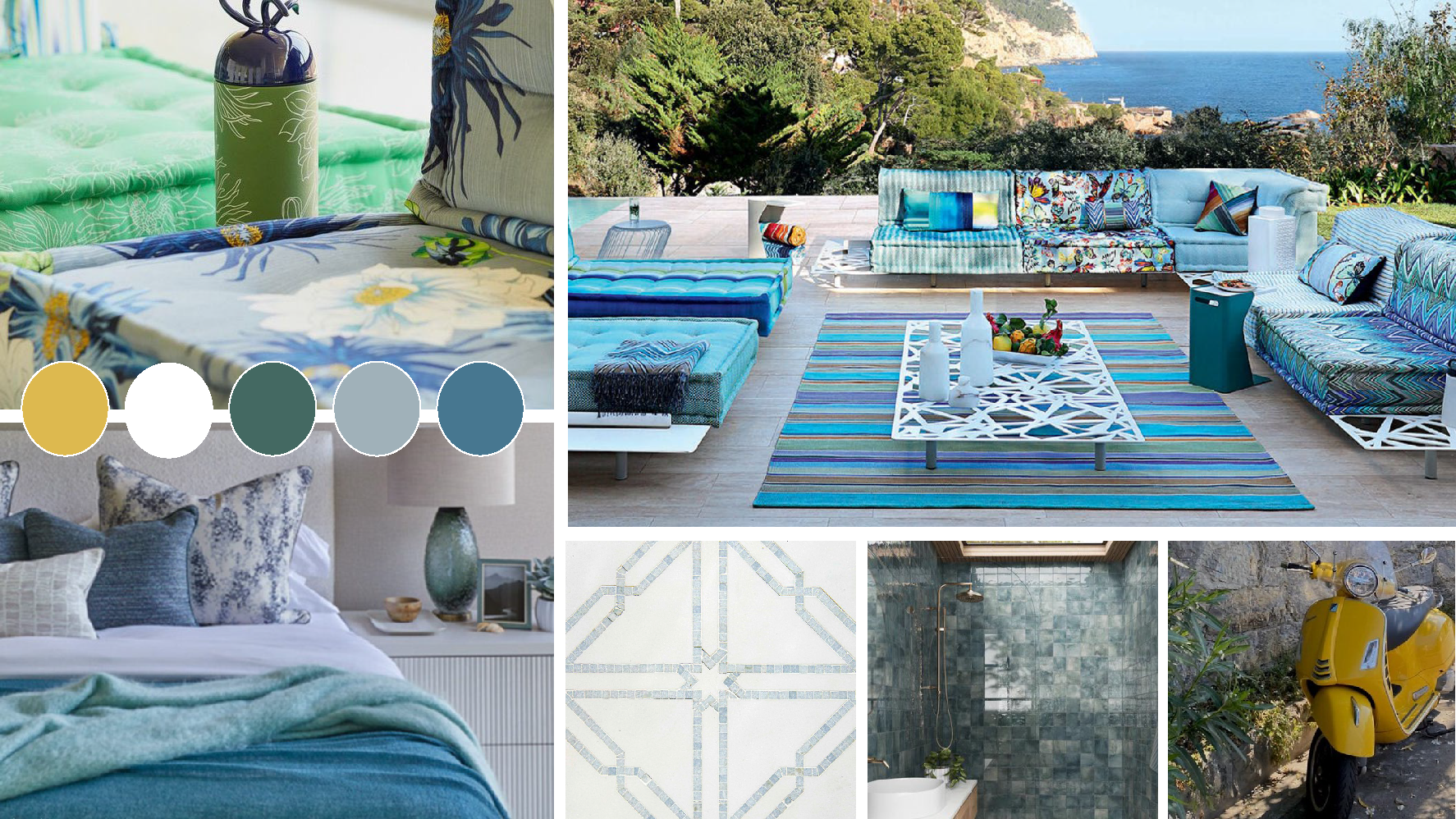
The Vibe Deck:
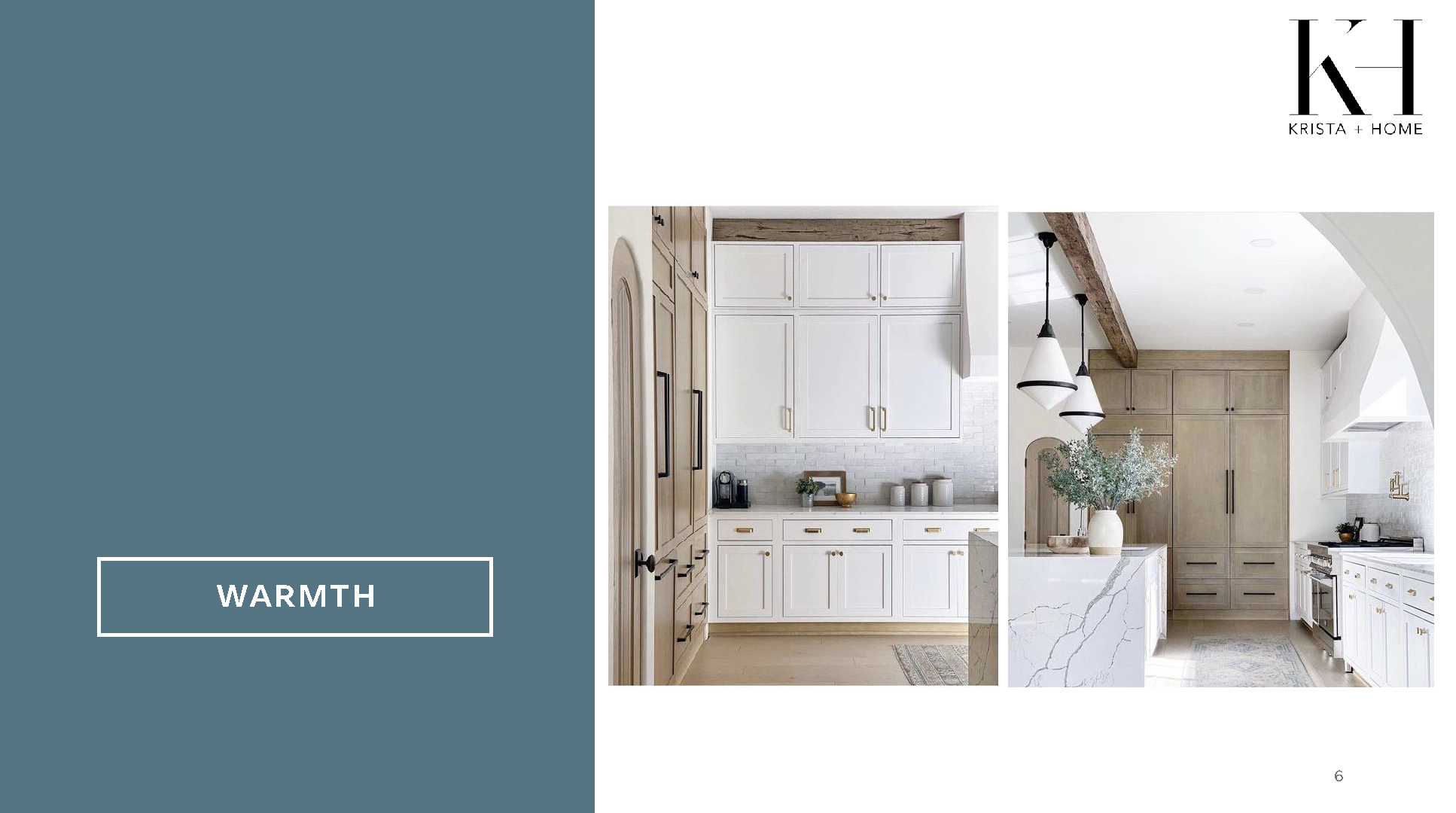
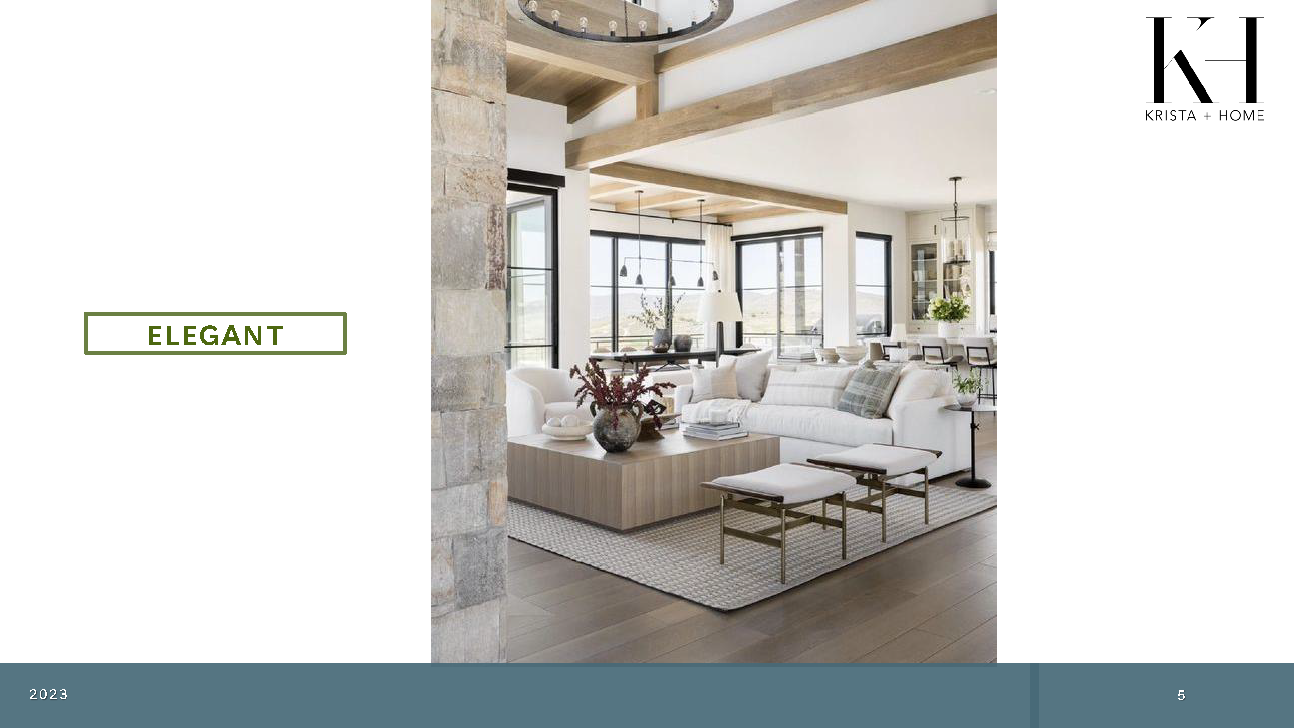
 The Final Design
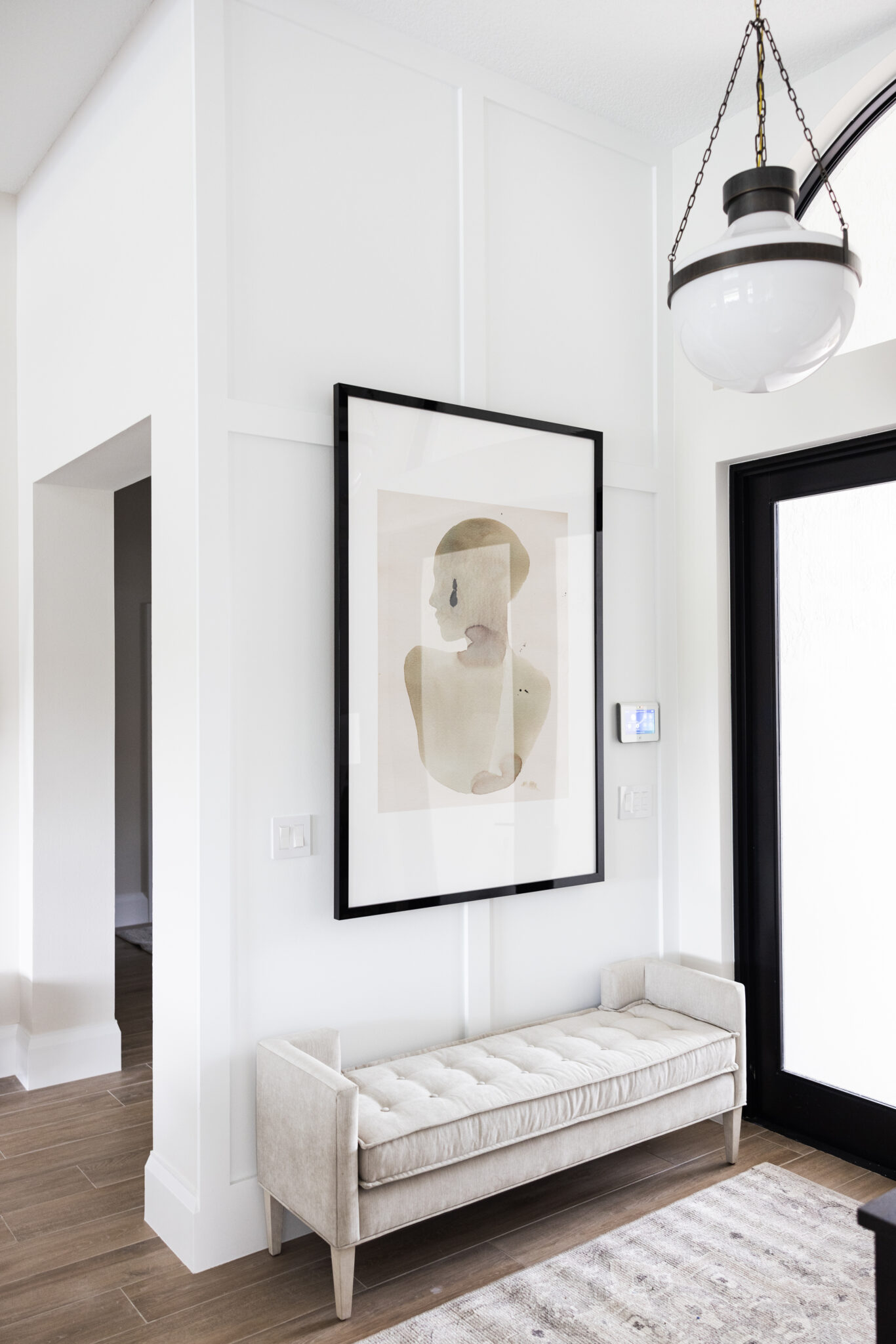
Interior Design by Krista + Home. Photography by Eve Greendale.
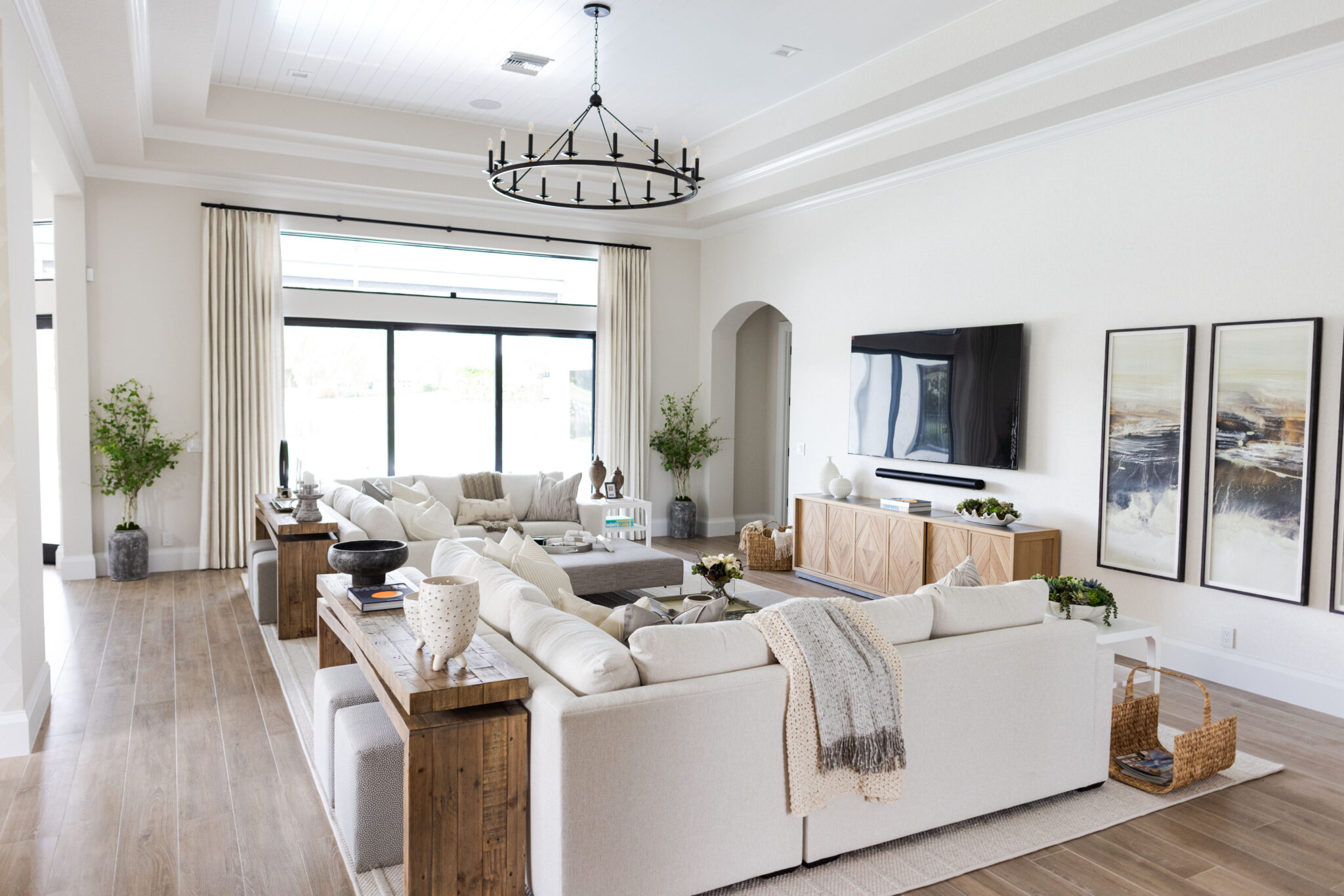
Interior Design by Krista + Home. Photography by Eve Greendale.
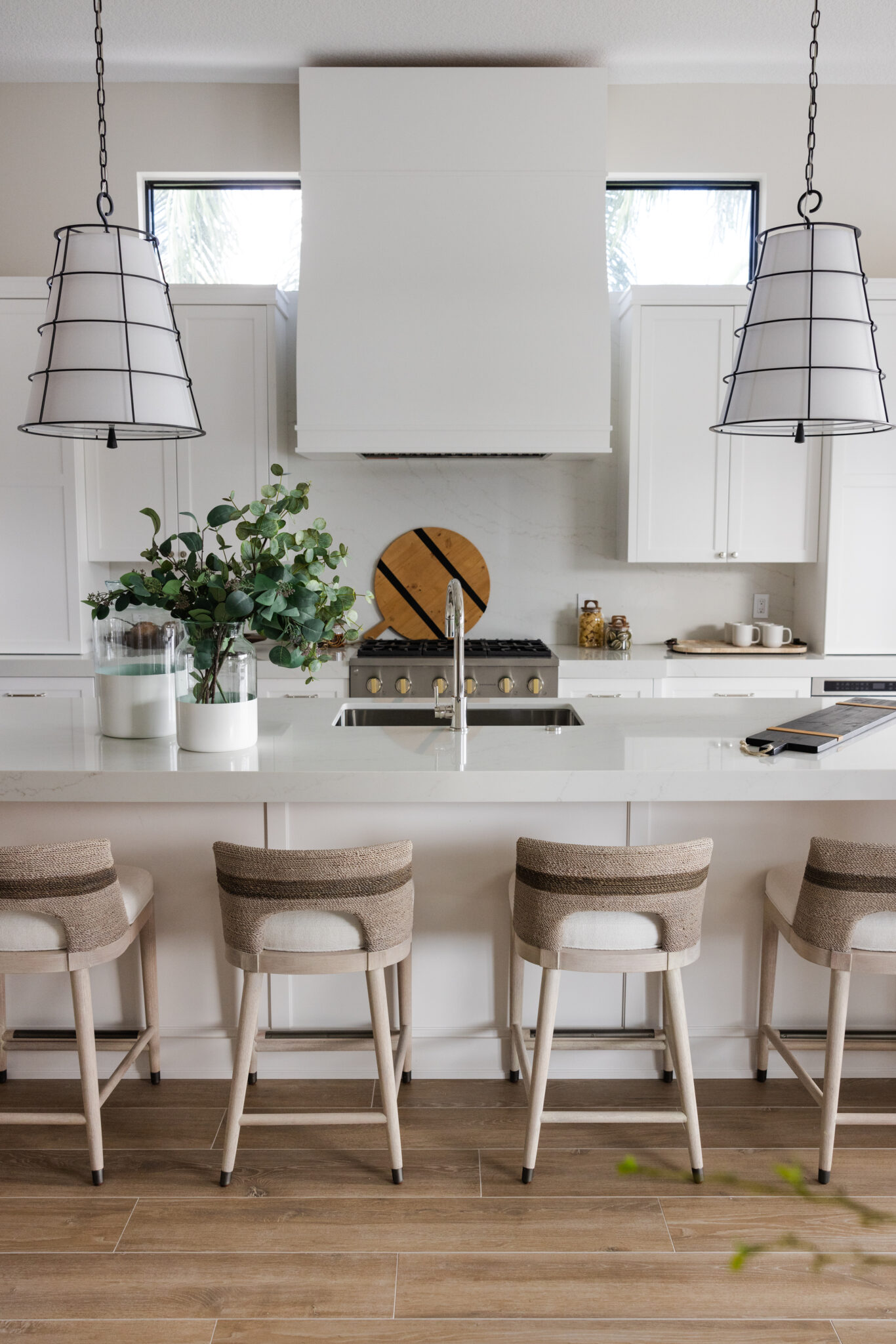
Interior Design by Krista + Home. Photography by Eve Greendale.
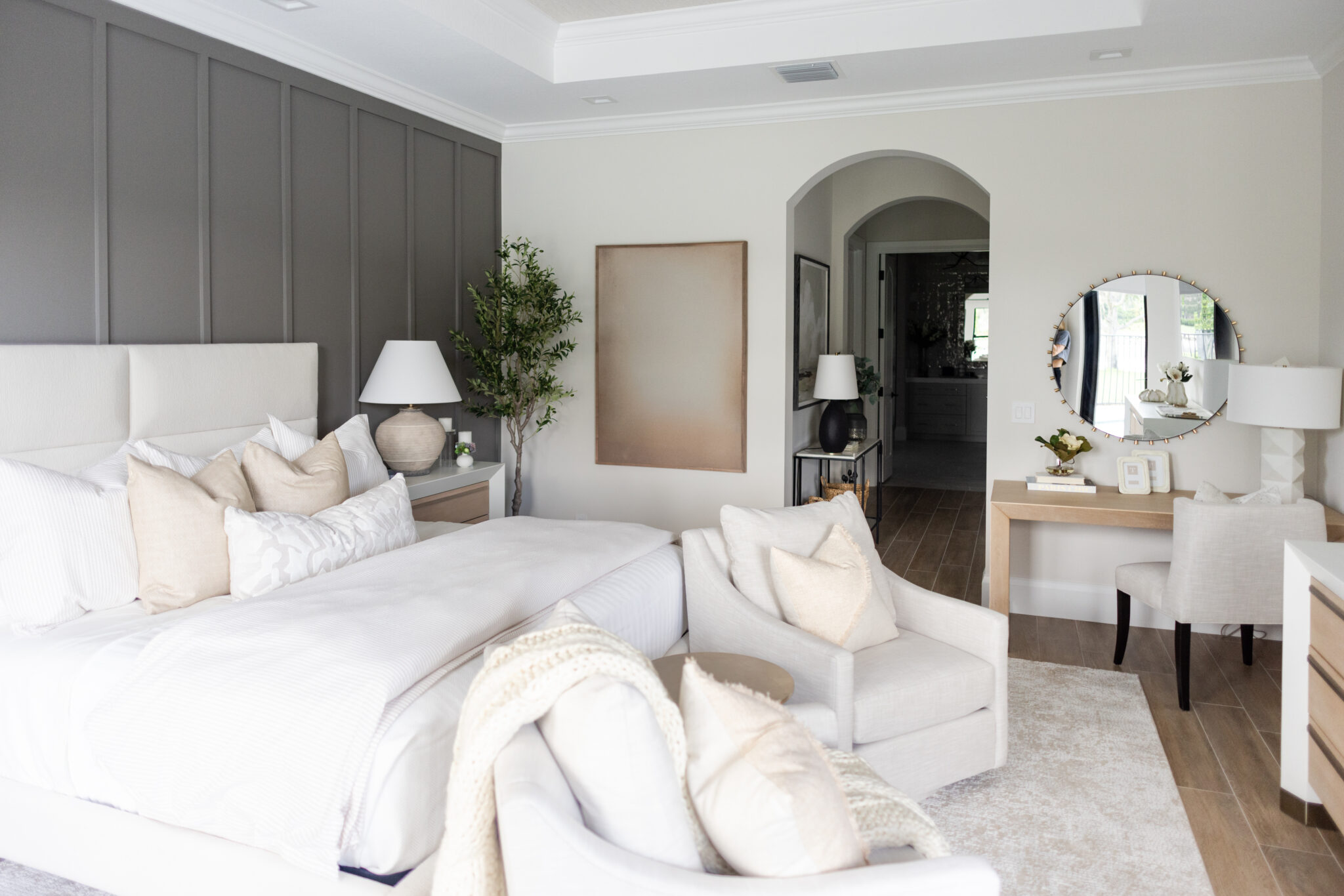
Interior Design by Krista + Home. Photography by Eve Greendale.
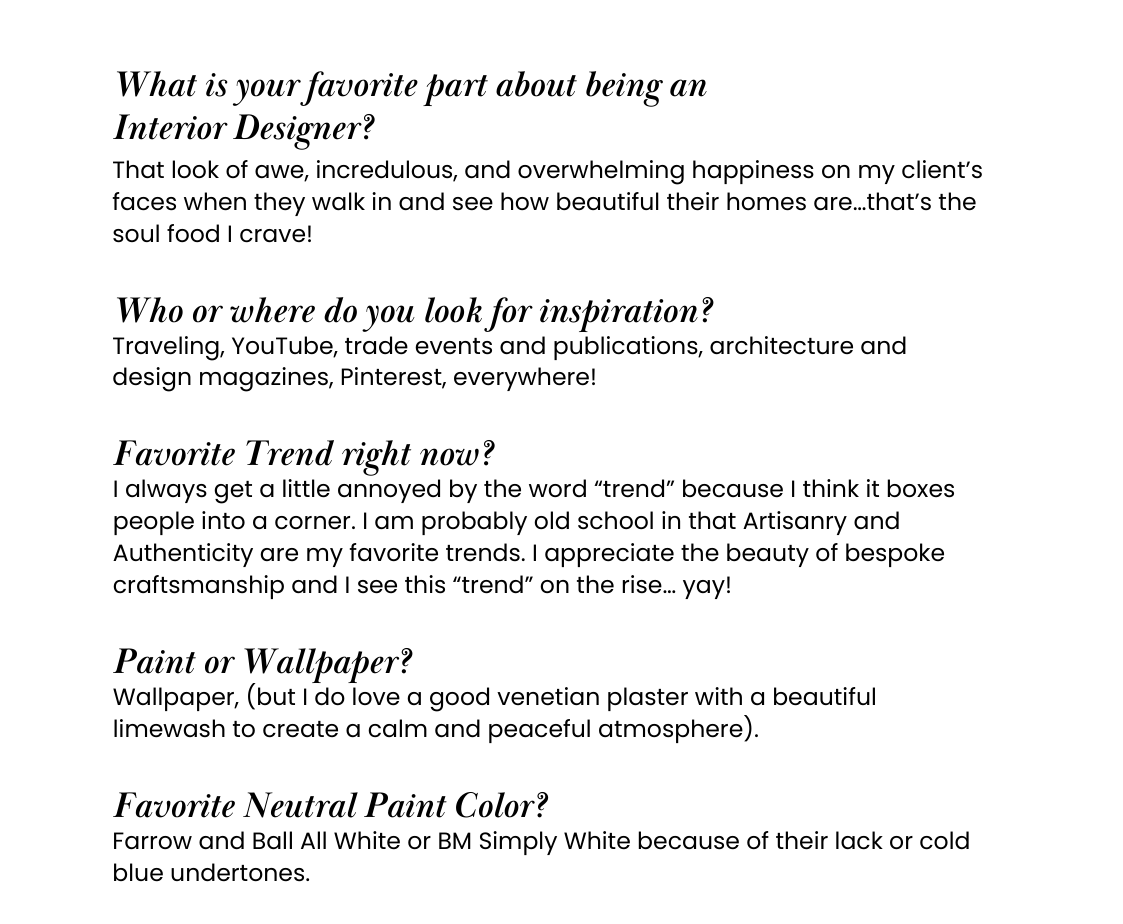
Designer Spotlight! Meet Barbara!

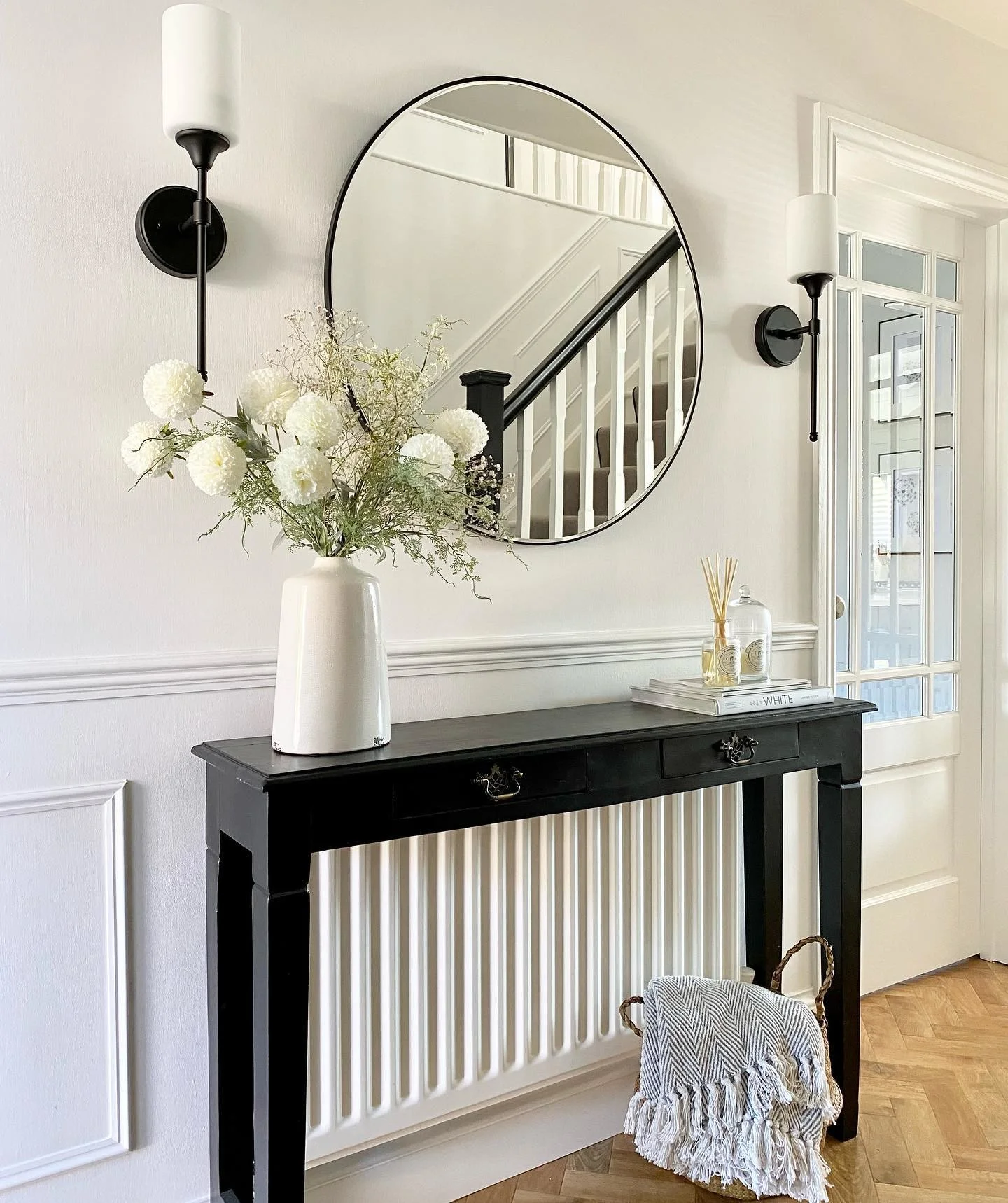
Farrow and Ball
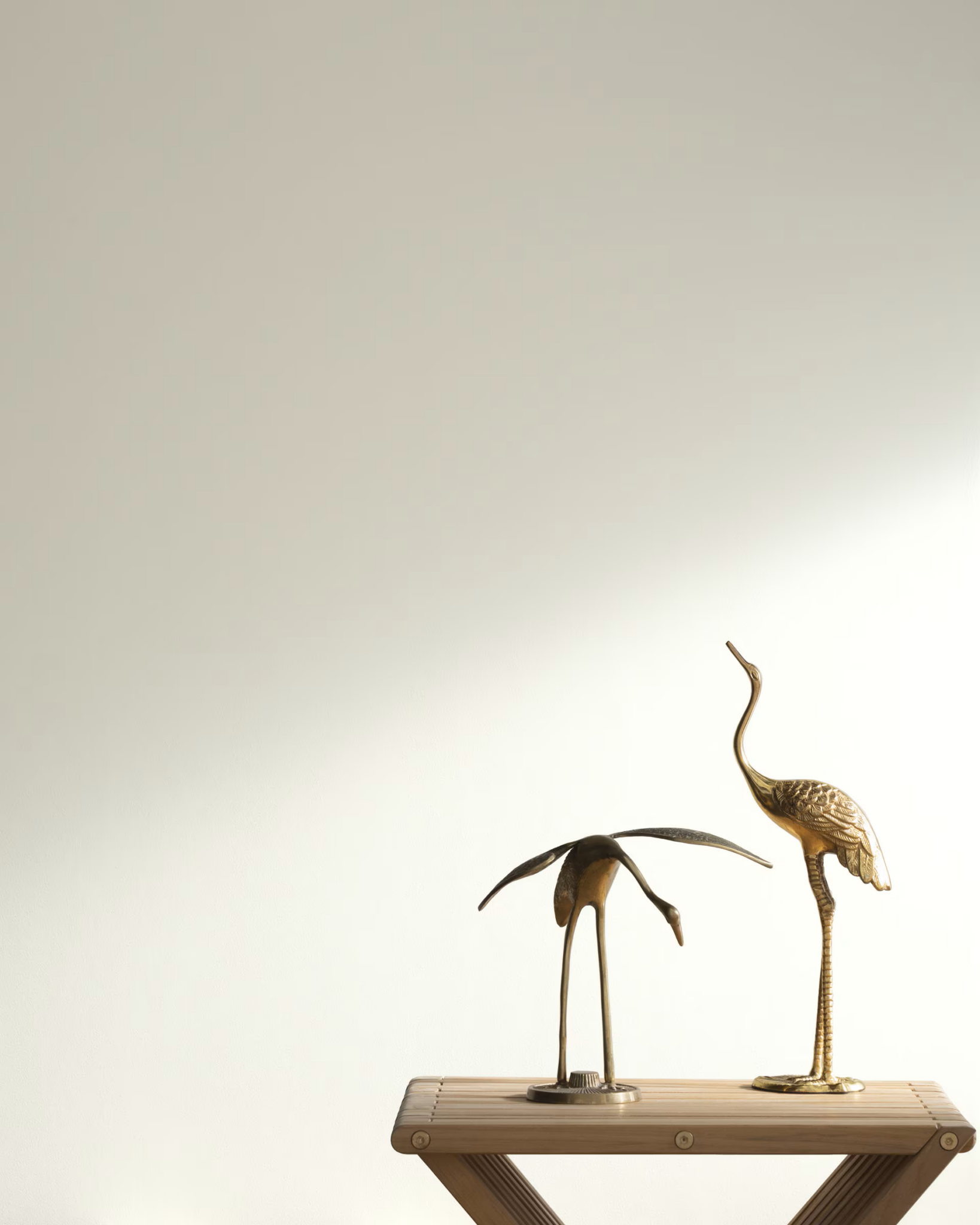
Benjamin Moore
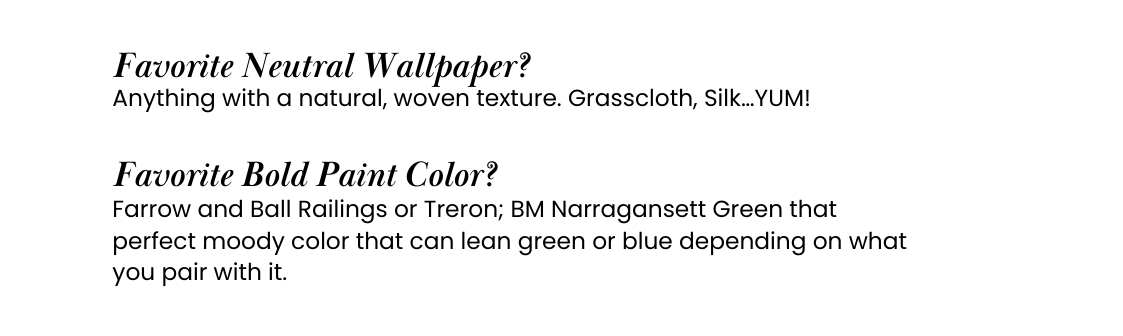
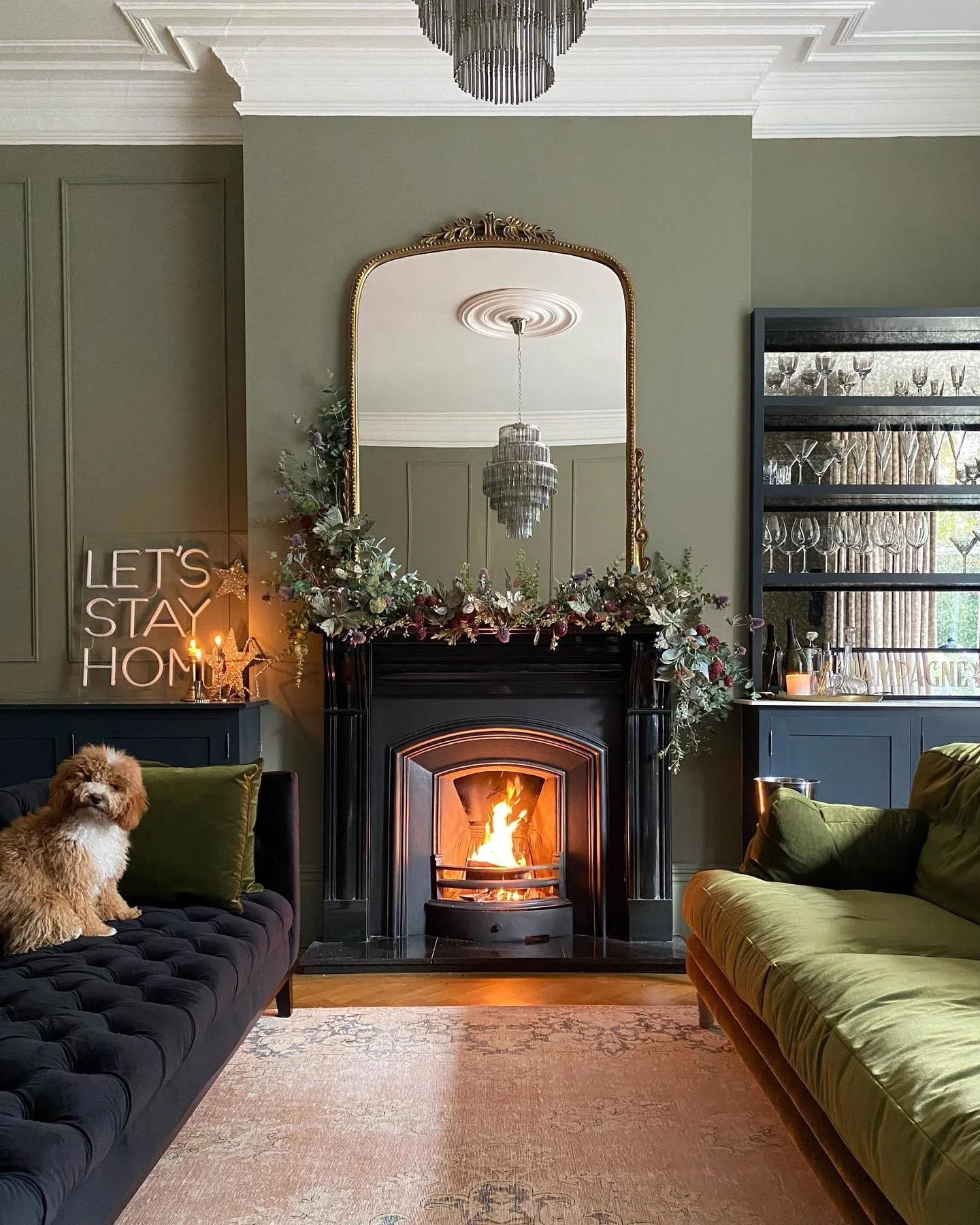
Farrow and Ball
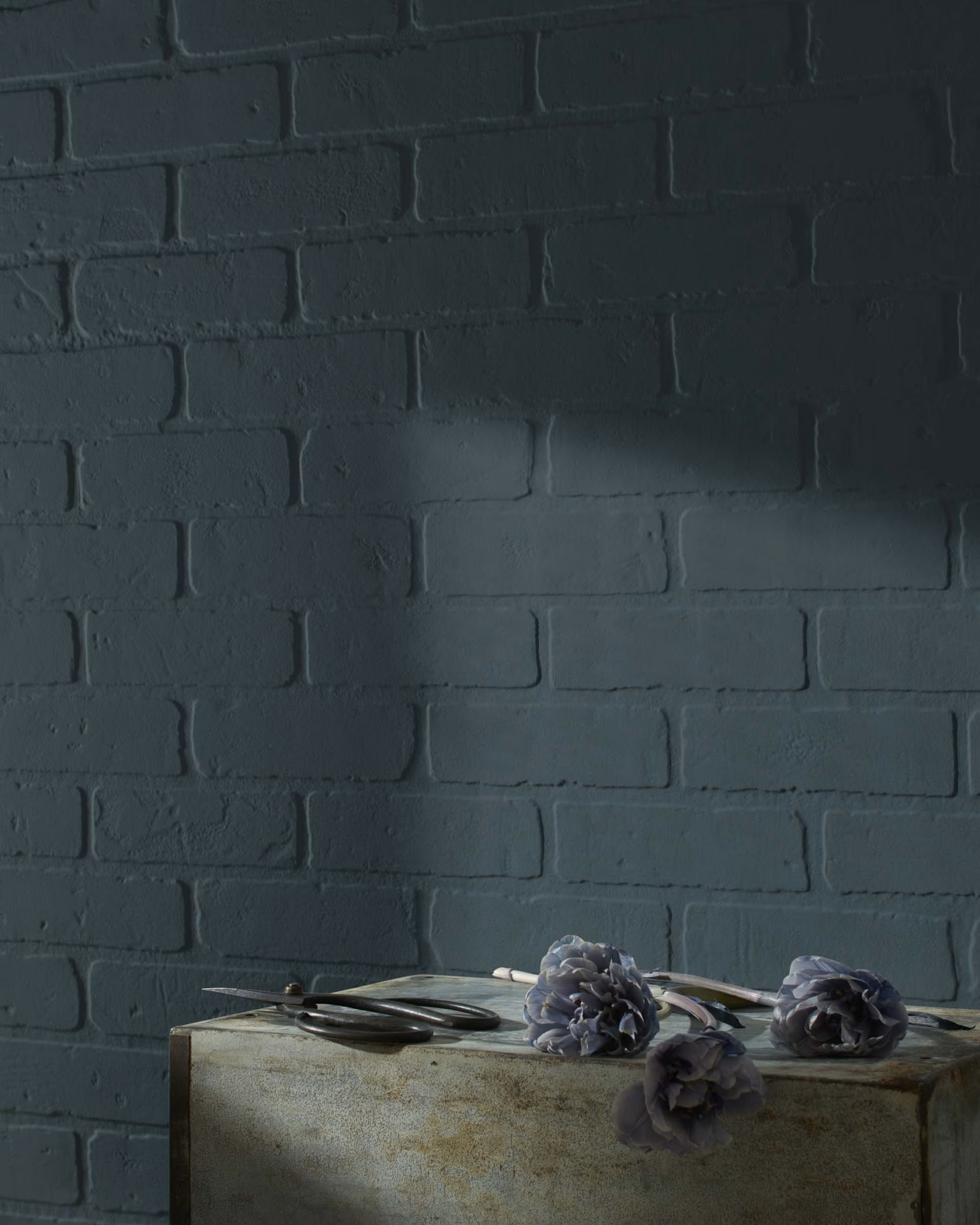
Benjamin Moore

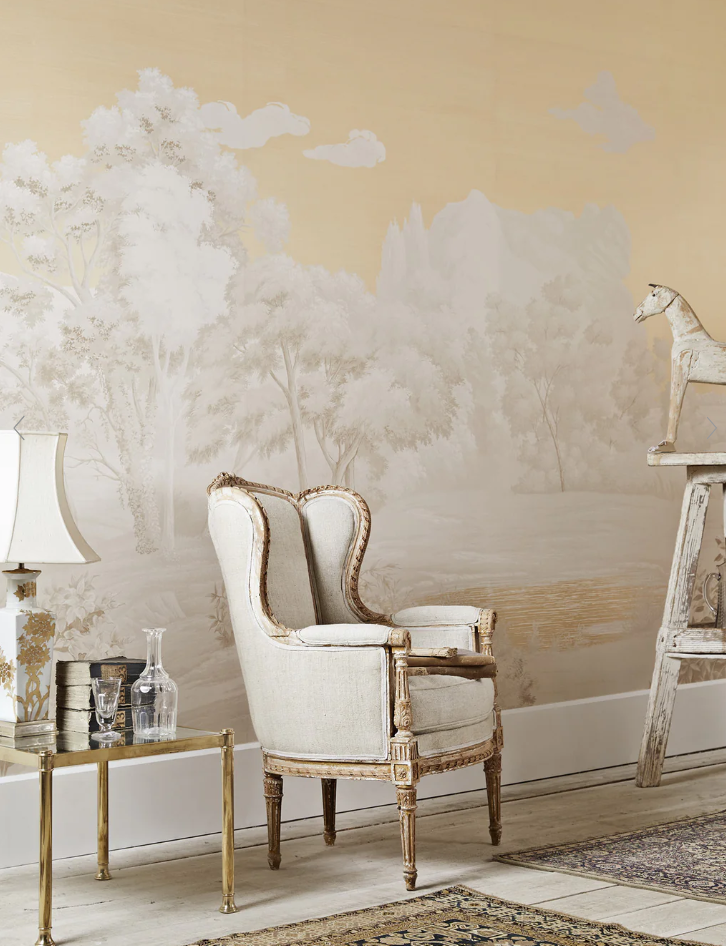
Fromental
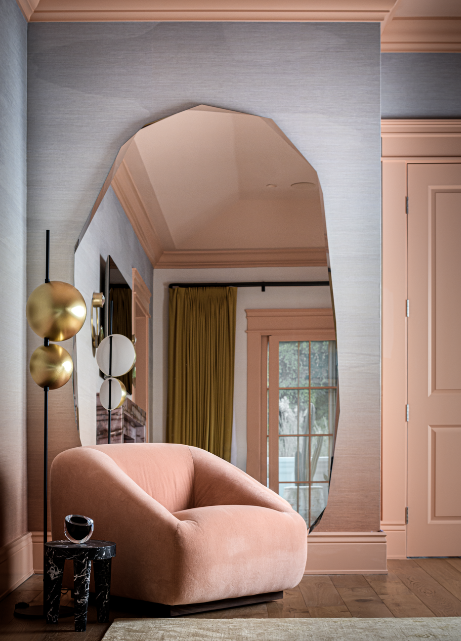
Phillip Jeffries

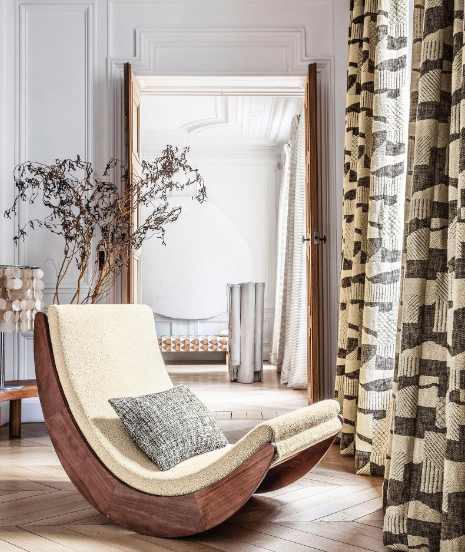
Larsen, Maroua
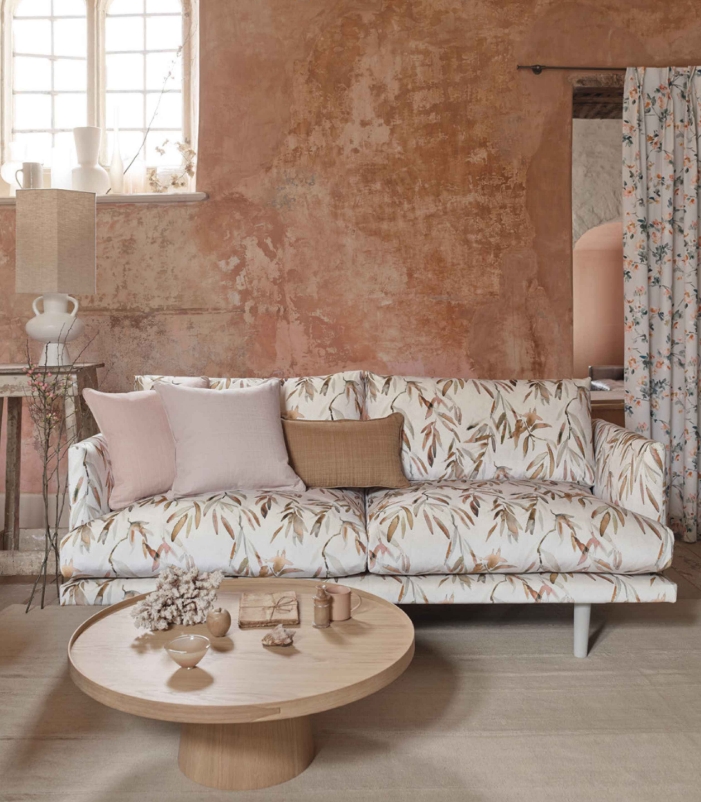
Romo, Otelie


The ROI of Quality Interior Design: Boosting Your Property’s Resale Value
Interior Design by Krista + Home. Photography by Eve Greendale.
Investing in quality interior design isn’t just about creating a beautiful living space; it’s a strategic financial decision that can significantly increase your property’s resale value. As the real estate market becomes more competitive, potential buyers are increasingly drawn to homes that offer not just functionality, but also aesthetic appeal. Thoughtful interior design goes beyond staging.
Interior Design by Krista+Home. Photography by Jessica Glynn.
Enhancing Functionality and Flow
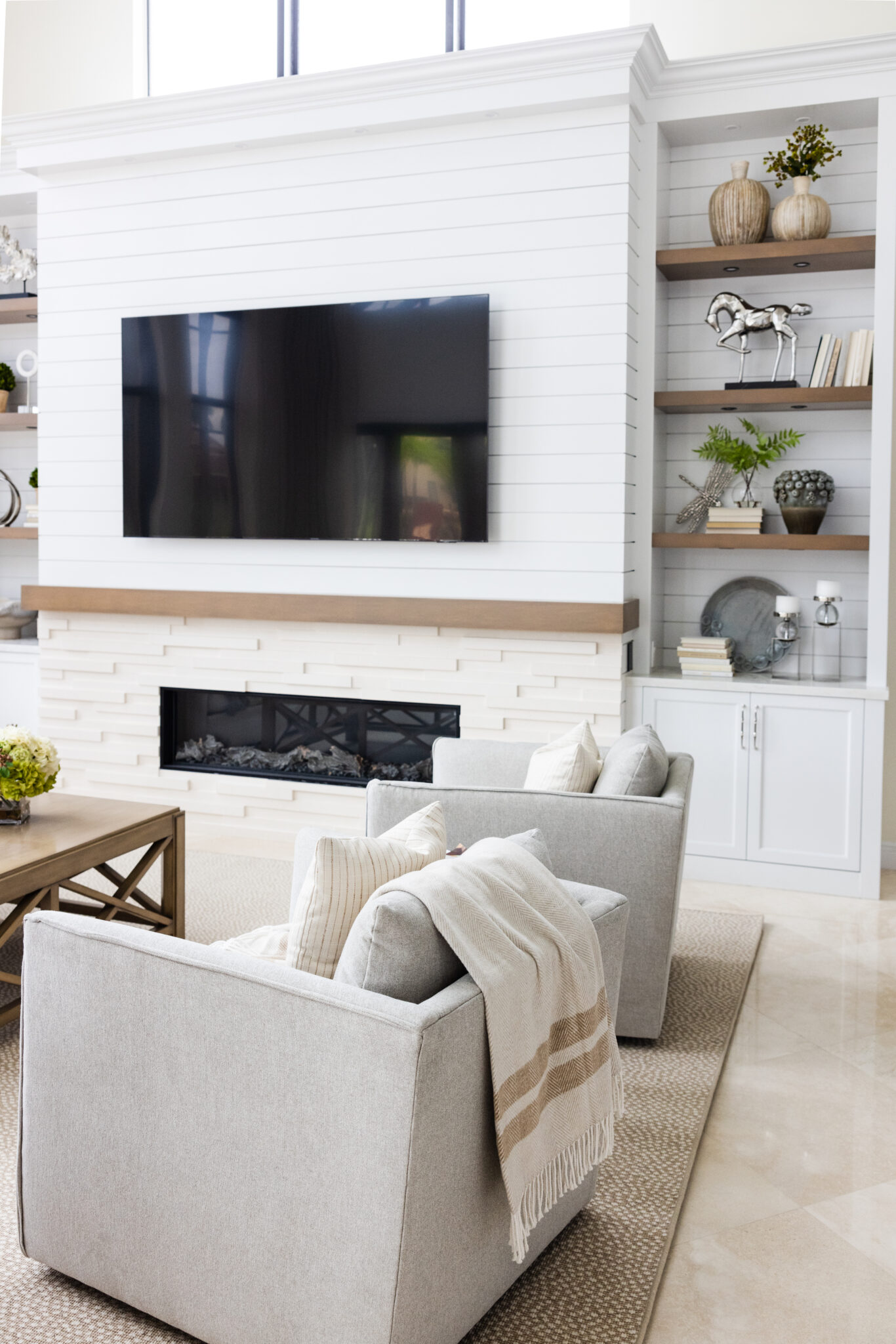
Good interior design isn’t just about looks; it’s about optimizing the use of space. A professional designer can reconfigure rooms, improve layouts, and enhance the overall flow of your home. This functional improvement makes your property more appealing to buyers, who appreciate the thoughtful consideration put into making every square foot useful and accessible.
Interior Design by Krista + Home. Photography by Eve Greendale.
Why Quality Interior Design is Better Than Home Staging
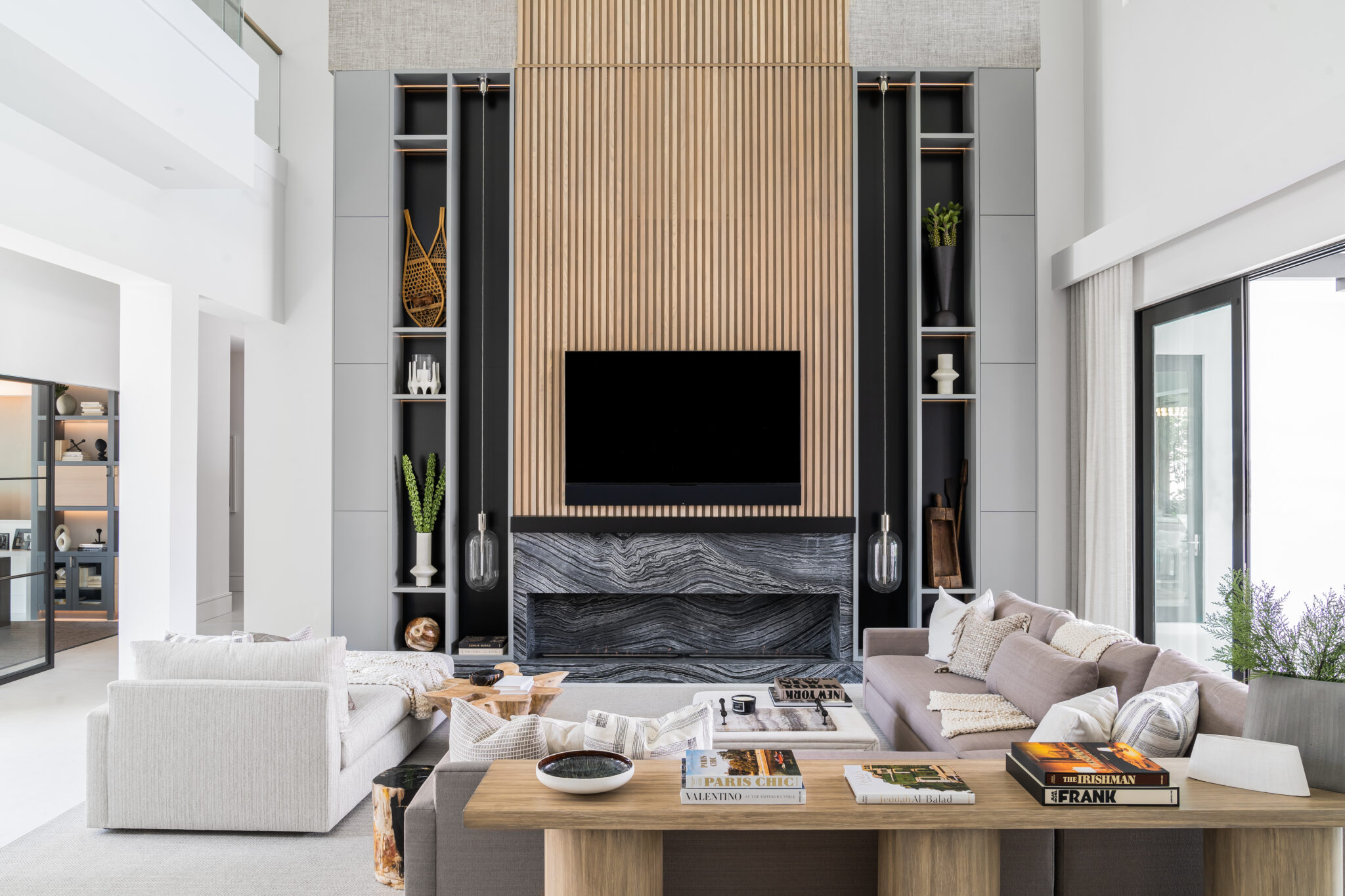
While home staging is a popular strategy to enhance a property’s appeal, it offers only temporary benefits. Home staging involves arranging furniture and decor to make a home look attractive for showings, but it doesn’t address underlying design issues or improve the permanent features of the property.
Interior Design by Krista + Home. Photography by Venjhamin Reyes.
Highlighting Key Features
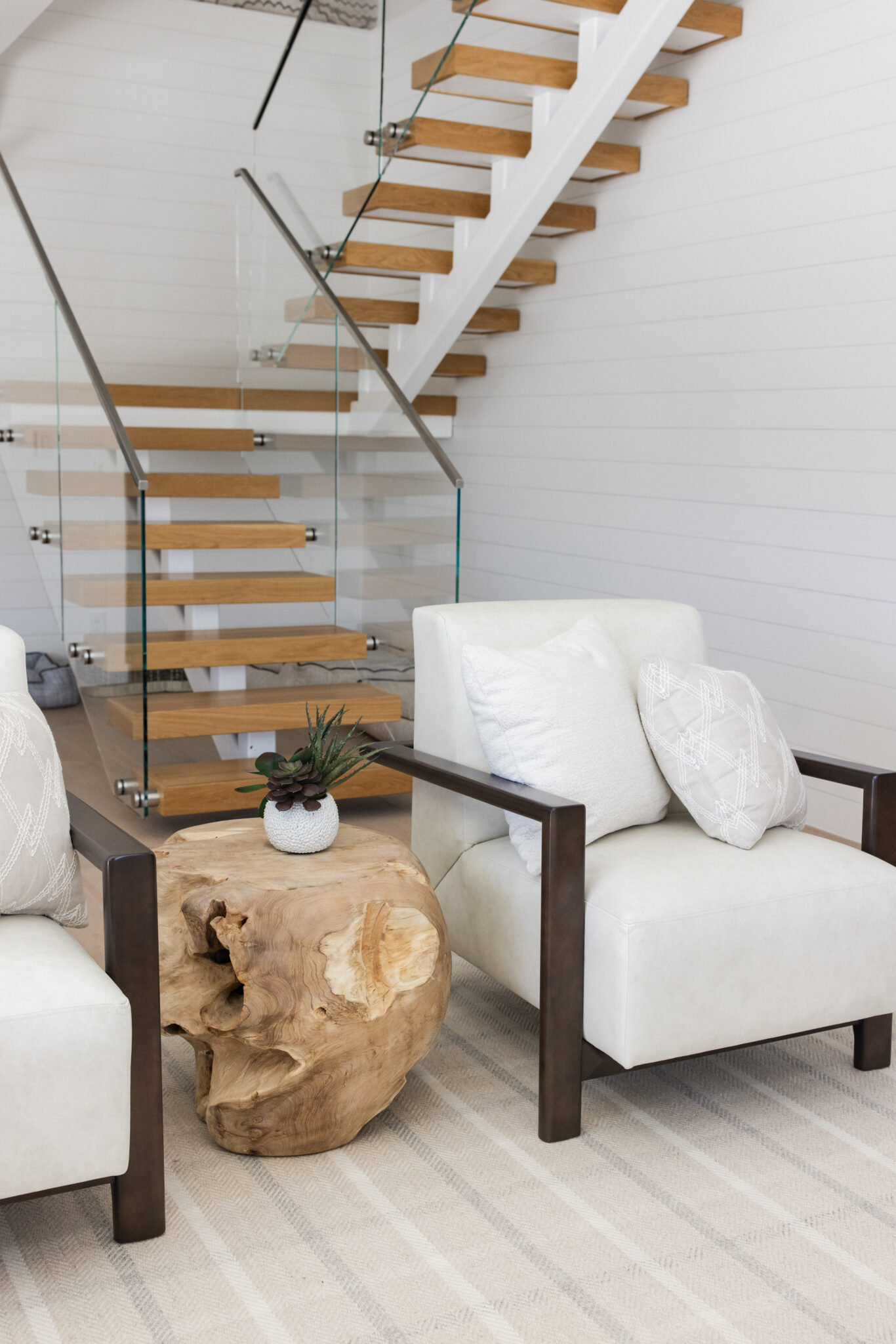
Interior designers have the expertise to highlight the best features of your home, whether it’s a stunning fireplace, high ceilings, or expansive windows with breathtaking views. Through strategic placement of furniture, lighting, and decor, these elements can be accentuated, making your home more attractive to buyers and increasing its perceived value.
Interior Design by Krista + Home. Photography by Eve Greendale.
Modernizing and Updating
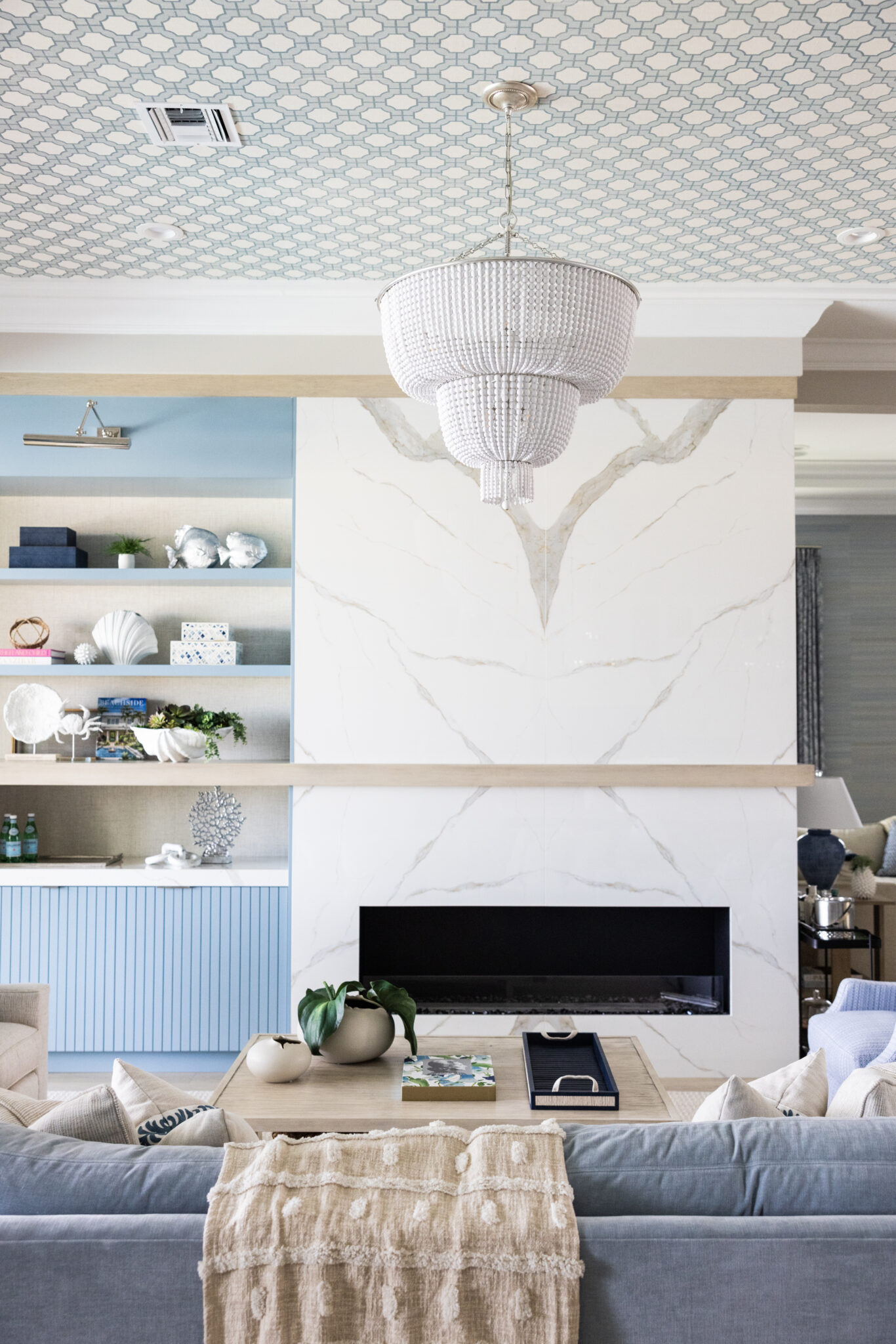
Outdated interiors can significantly detract from a home’s appeal and value. Investing in quality interior design allows you to modernize your property, incorporating contemporary styles and trends that buyers are looking for. Whether it’s updating an old kitchen, renovating bathrooms, or incorporating smart home technology, these upgrades can drastically increase your home’s market value.
Calculating the ROI
While the upfront cost of professional interior design might seem high, the ROI can be substantial. According to studies, homeowners can expect a return on investment ranging from 50% to 200% on interior design projects, depending on the scope and quality of the work. Kitchens and bathrooms tend to offer the highest returns, but even simple updates to living spaces can have a significant impact.
Investing in quality interior design is more than just an expenditure; it’s a strategic move to enhance your property’s value and marketability. By creating a space that is functional, beautiful, and tailored to the desires of potential buyers, you can significantly increase your property’s resale value and ensure a high ROI. In today’s competitive real estate market, a well-designed interior isn’t just a luxury—it’s a necessity.
Ready to take the next step in boosting your property’s value? Give us a call and we’ll give you a free consultation to help you understand how we can increase your home’s value.
Creating a Color Palette for Your Home
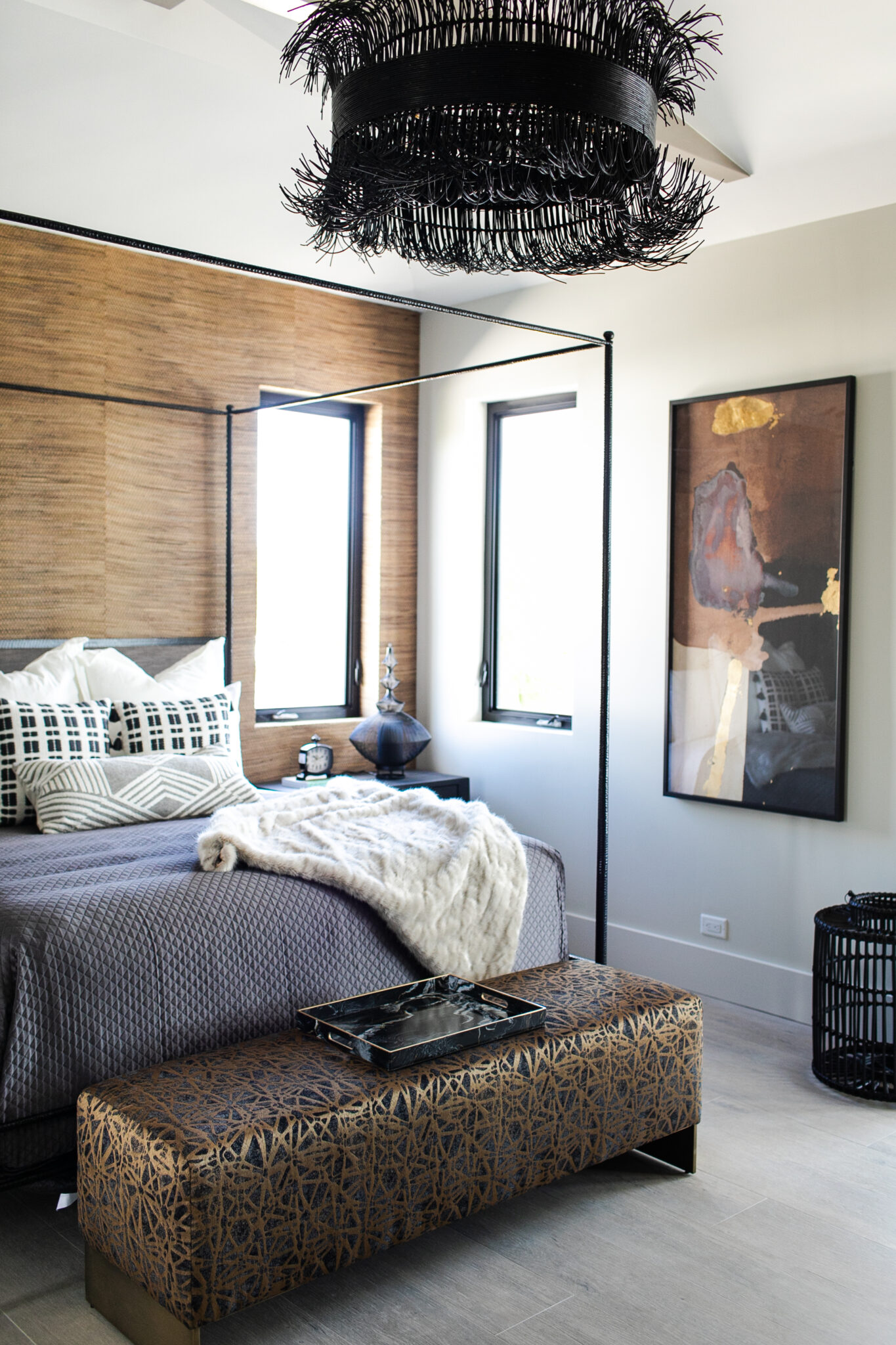
Interior Design by Krista+Home. Photographed by Eve Greendale.
Designing a home that feels balanced and inviting starts with establishing a cohesive color palette. Colors influence our emotions, set the tone for each room, and tie the entire house together.
Understand the Basics of Color Theory
Before diving into specific hues, it’s important to grasp the fundamentals of color theory. Familiarize yourself with the color wheel, which is divided into primary (red, blue, yellow), secondary (green, orange, purple), and tertiary colors. Understanding how these colors interact can help you choose complementary, analogous, or monochromatic schemes. Figure out how certain colors make you feel, and consider how you want to feel in your home.
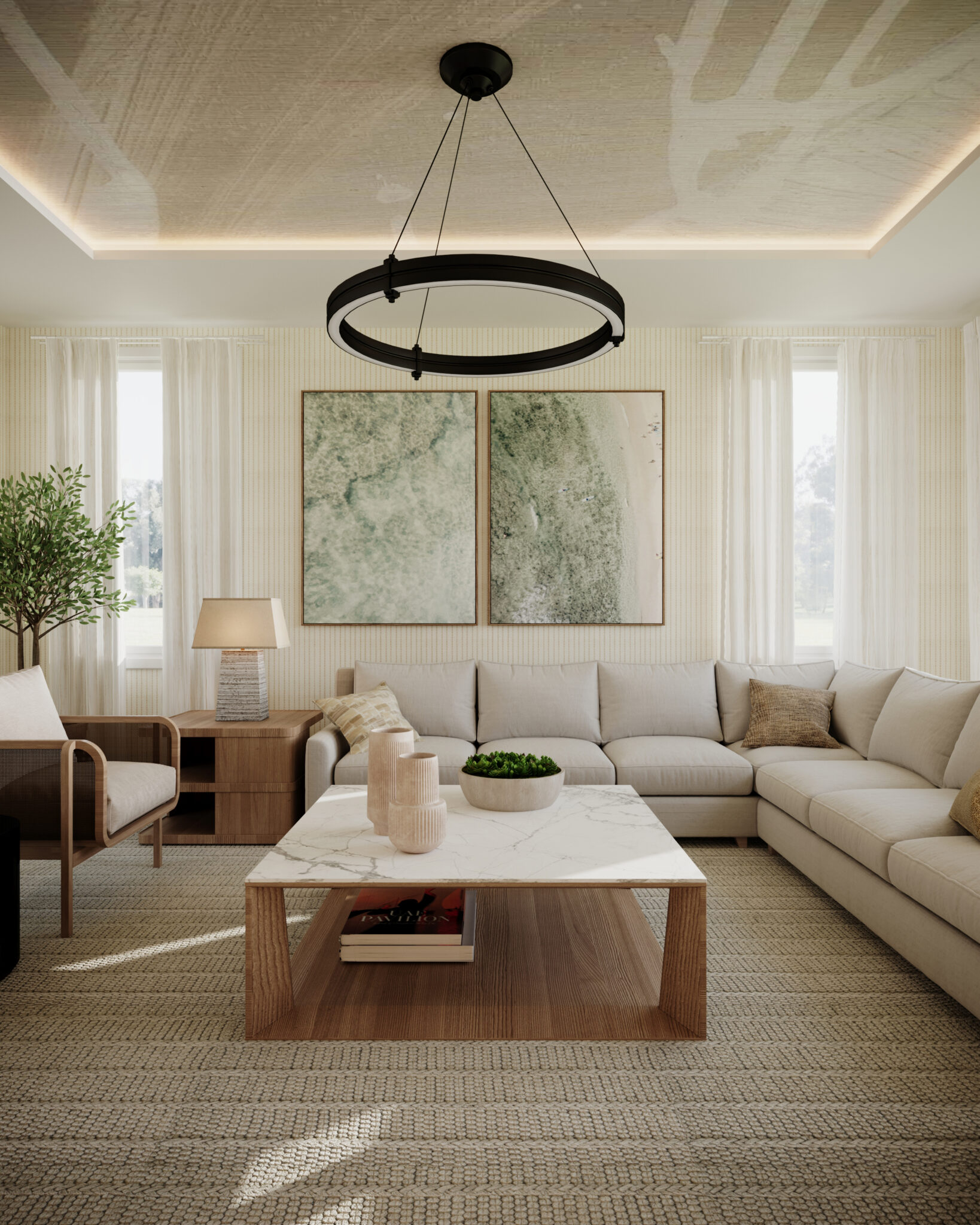
Interior Design by Krista+Home. Room available to purchase through KH ROOM SERVICE.
Start with a Base Color
Choose a base color that will serve as the foundation for your palette. This is often a neutral shade such as white, beige, gray, or a subtle pastel. Your base color will dominate larger areas like walls, ceilings, and flooring, providing a backdrop that other colors can build upon.
Select Accent Colors
Pick one or two accent colors to bring vibrancy and personality to your home. These colors should complement your base color and can be used in smaller, strategic areas like trim, accent walls, furniture, or decorative items. For instance, if your base is a cool gray, you might choose a deep blue or rich green as an accent.
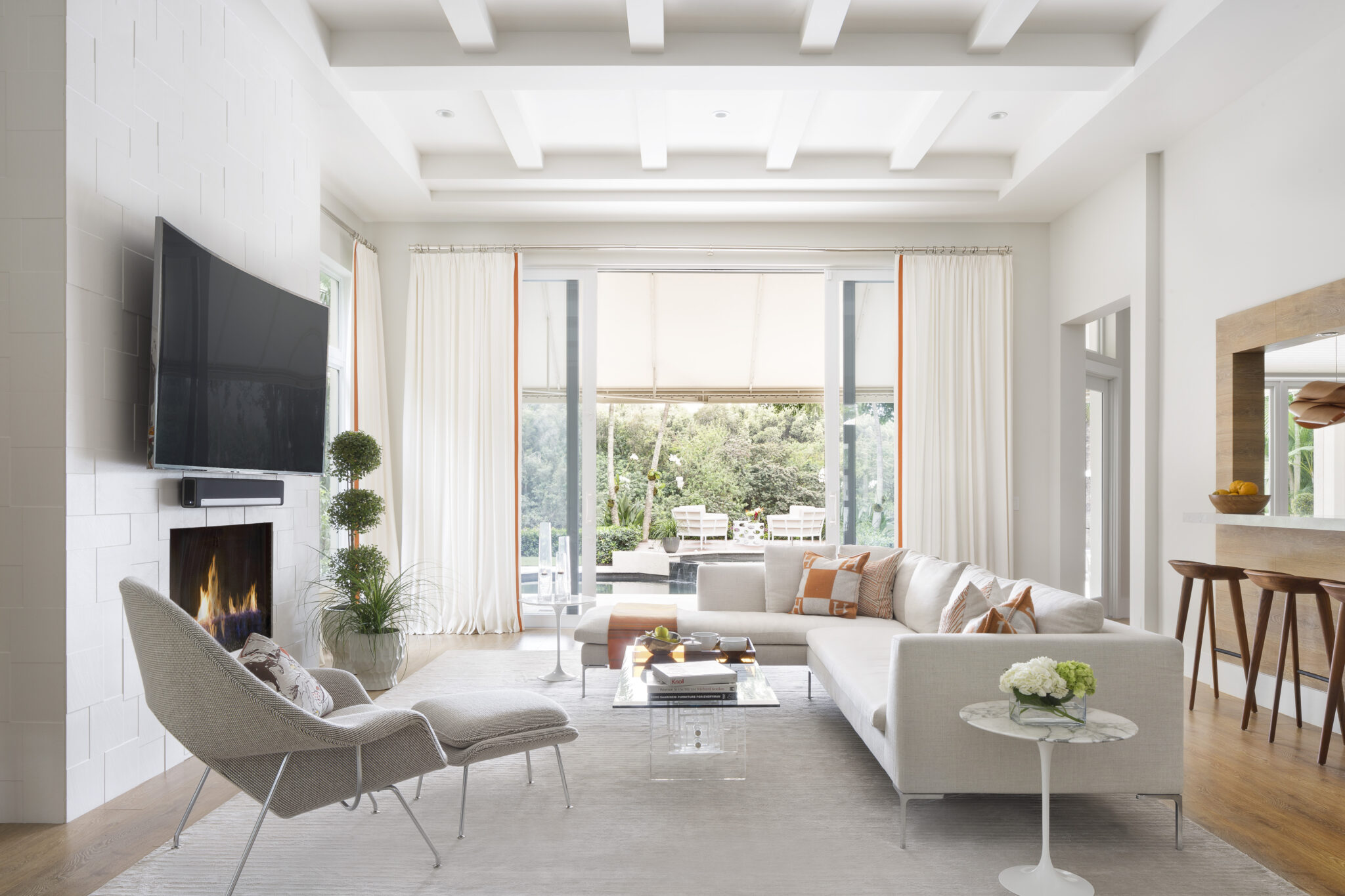
Interior Design by Krista+Home. Photographed by Jessica Glynn.
Incorporate a Pop of Color
Adding a pop of color or as we like to call it “Happy Snaps of Color” can create visual interest and break the monotony. This could be a bold hue that appears in artwork, throw pillows, or an accent chair. Ensure this color harmonizes with your base and accent colors but stands out enough to make a statement.
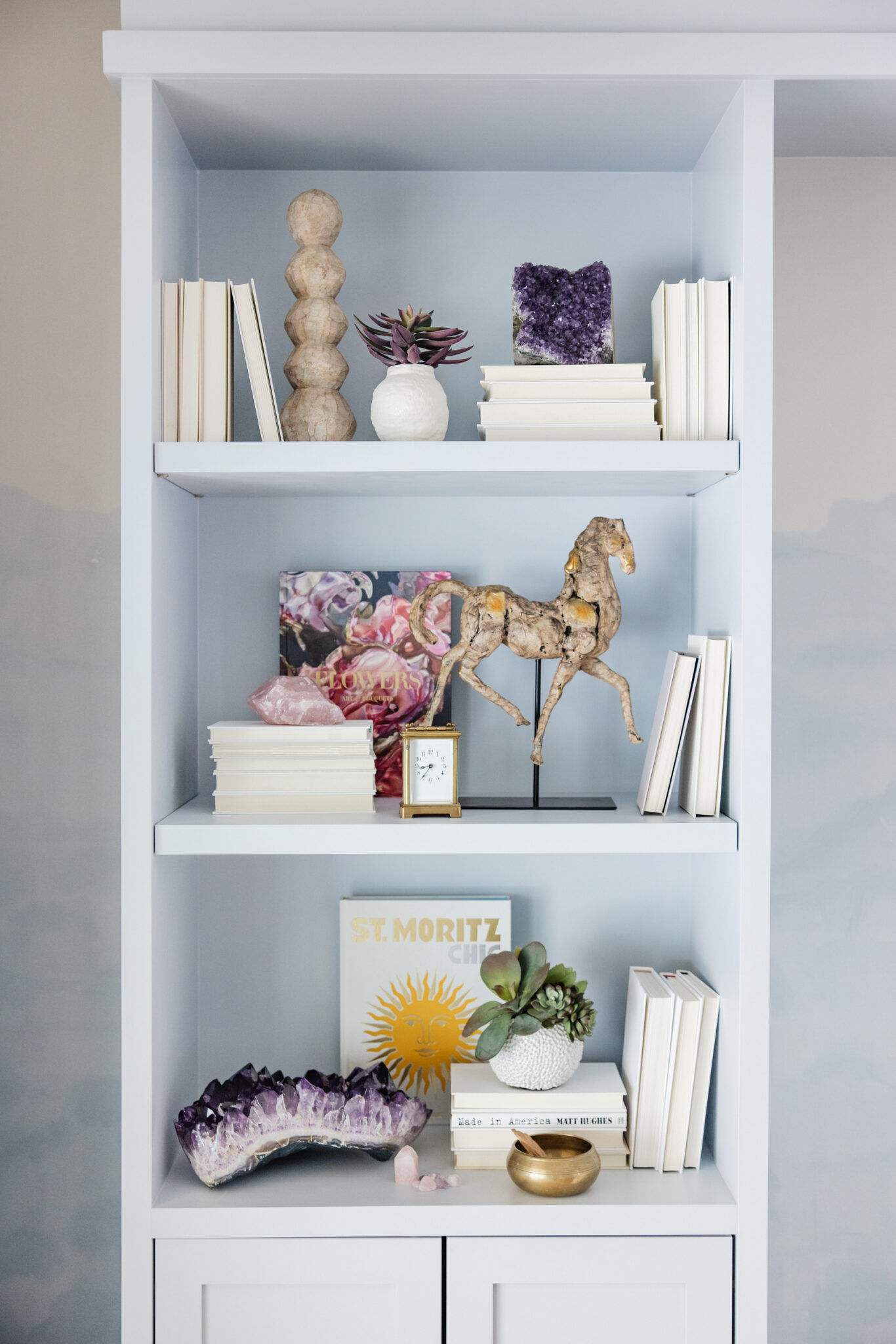
Balance Warm and Cool Tones
Mixing warm and cool tones can add depth and balance to your color scheme. Warm colors (reds, oranges, yellows) can make a space feel cozy and inviting, while cool colors (blues, greens, purples) create a calm and refreshing ambiance. Combining these can create a dynamic yet harmonious environment.
Use Patterns and Textures Wisely
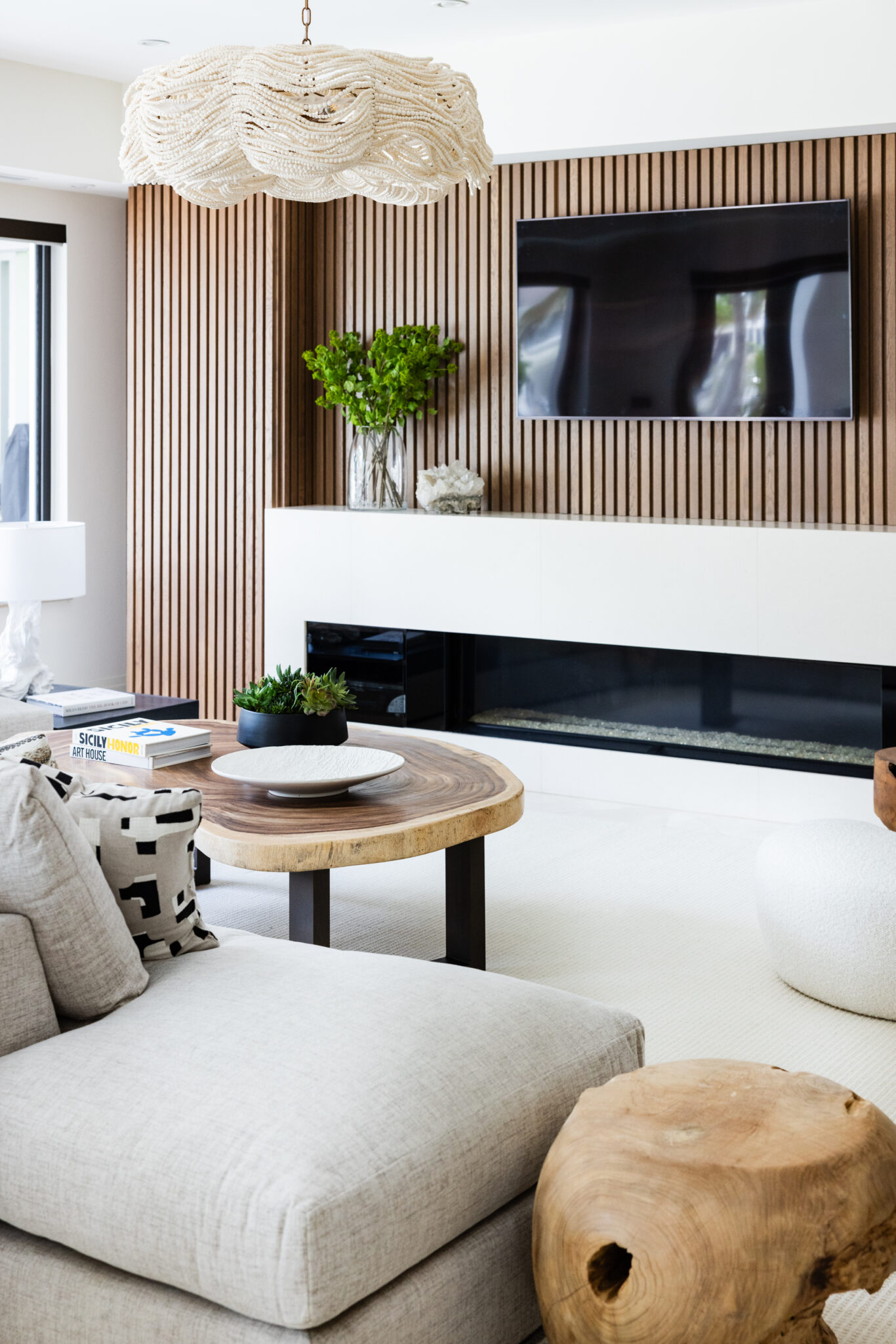
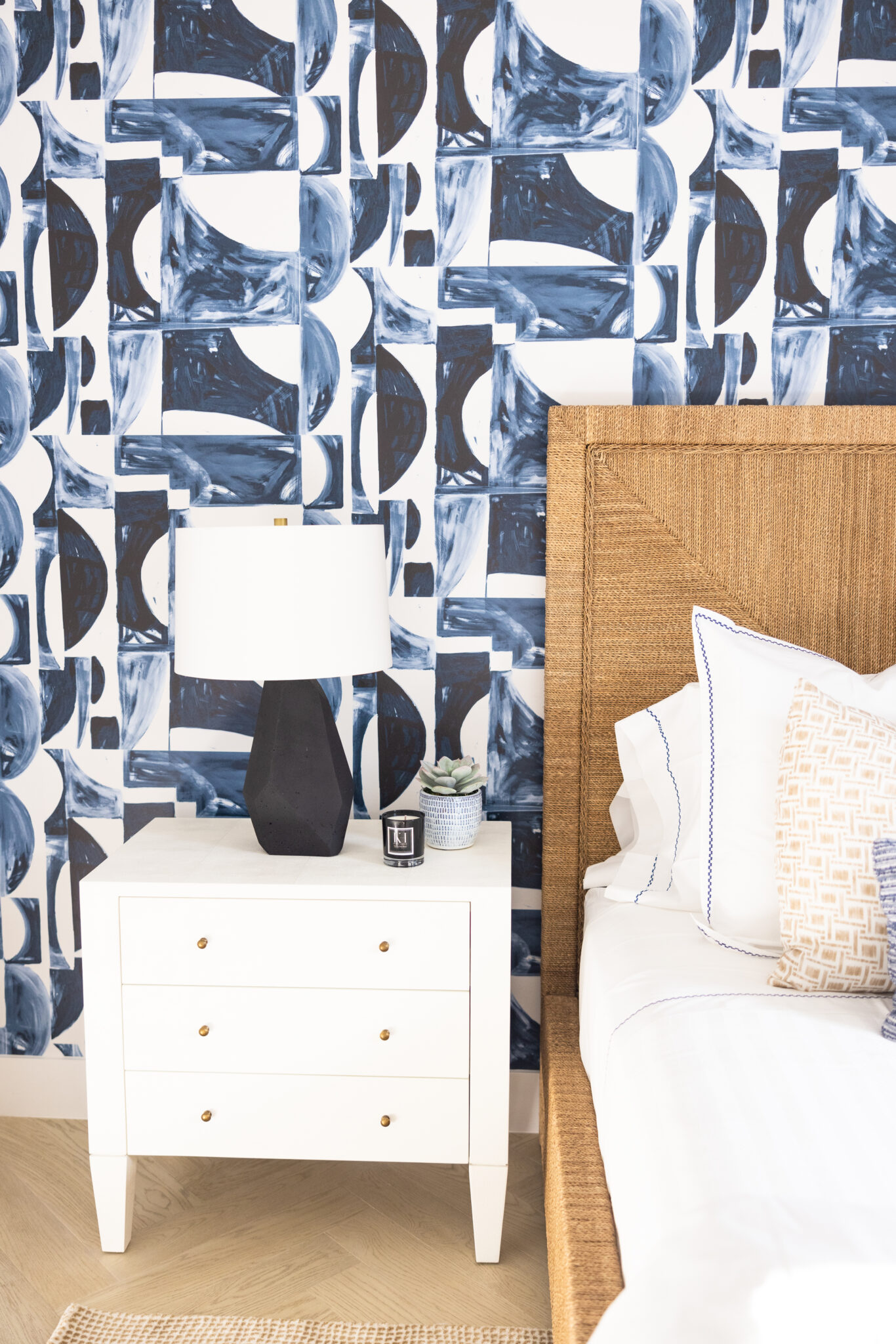
Incorporate patterns and textures to add dimension and interest to your color palette. Patterns can mix multiple colors from your scheme, helping tie everything together. Textures like wood, metal, fabric, and stone can introduce subtle color variations that enhance the overall aesthetic without overwhelming the primary palette.
Interior Design by Krista+Home. Photographed by Eve Greendale.
Test Before You Commit
Always test your colors before fully committing. Paint swatches on your walls and observe them at different times of the day to see how they look under various lighting conditions. This step can save you from costly mistakes and ensure your chosen palette works well in your space.
Interior Design by Krista+Home. Photographed by Eve Greendale.
Add Personal Touches
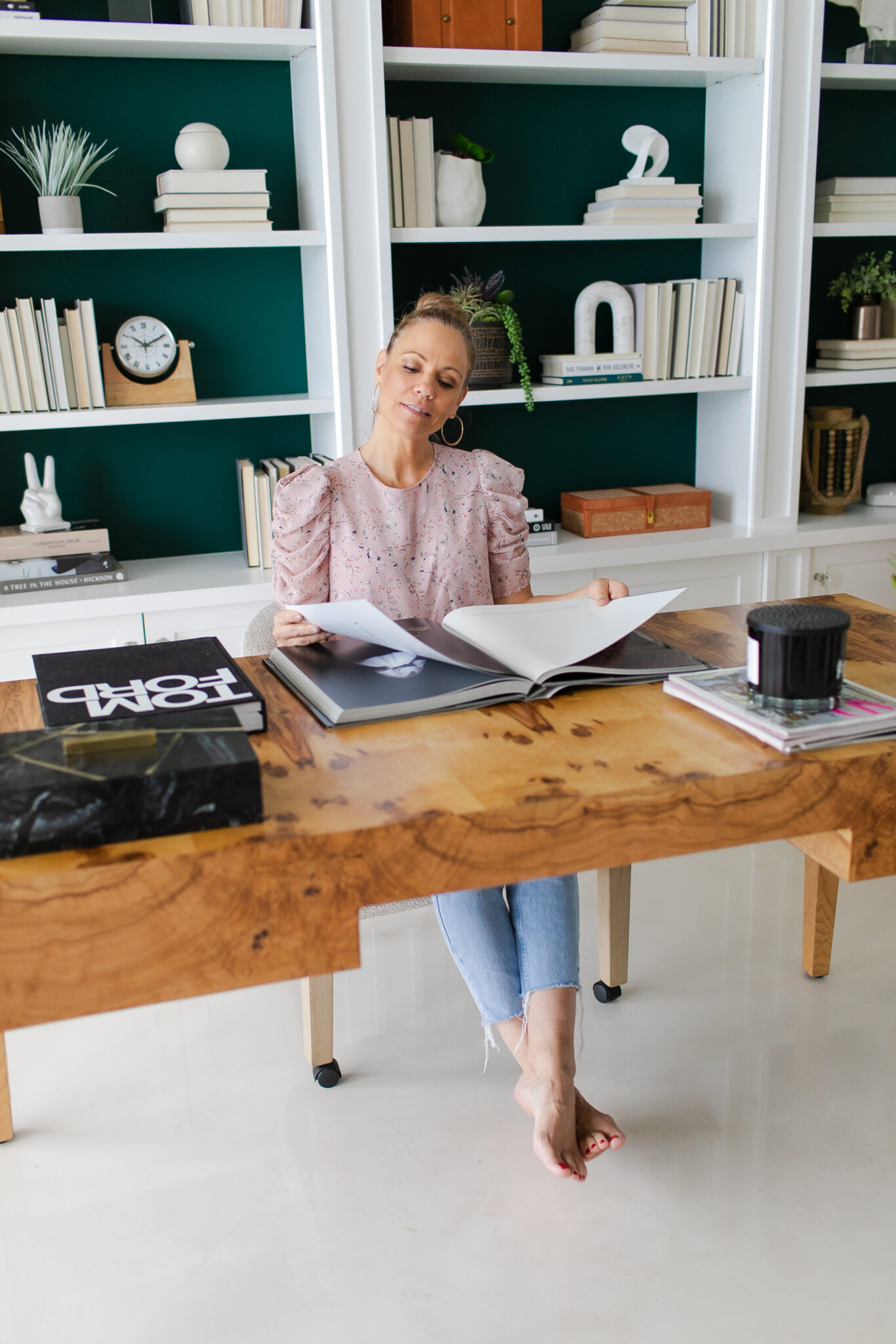
Ultimately, your color palette should reflect your personal style and taste. Incorporate colors that you love and that make you feel at home. Personal touches like family heirlooms, artwork, and other decor can be integrated into your color scheme to make your home uniquely yours.
Fireplace Design: A Focal Point for Warmth and Style
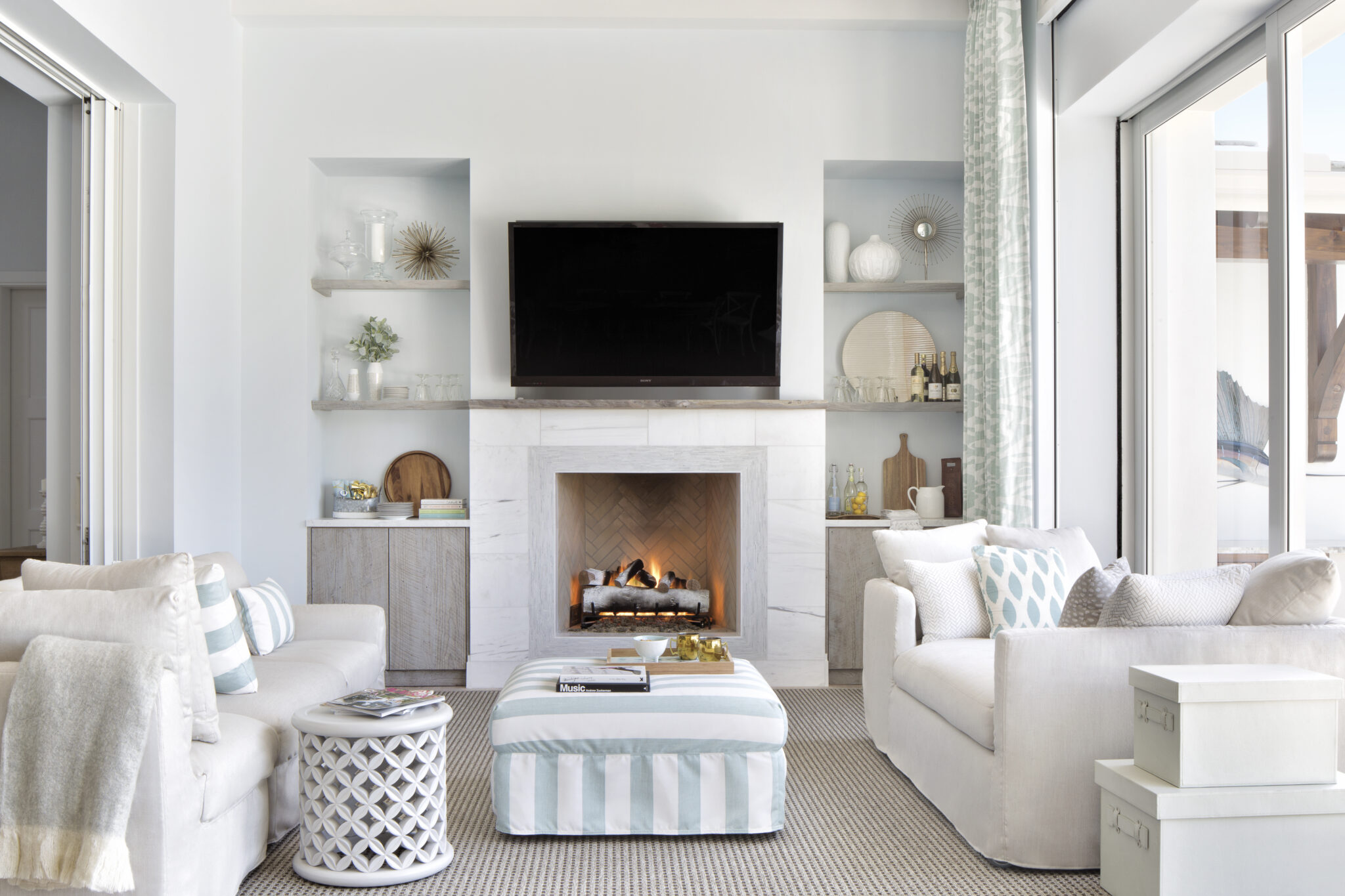
Many people believe that fireplaces are only suitable for cold climates. However, a fireplace can add physical warmth, aesthetic depth, and a feeling of comfort to any space. Here are a few steps to think about while creating the perfect fireplace setting.
Interior Design by Krista + Home. Photography by Jessica Glynn.
FIGURE OUT YOUR VIBE
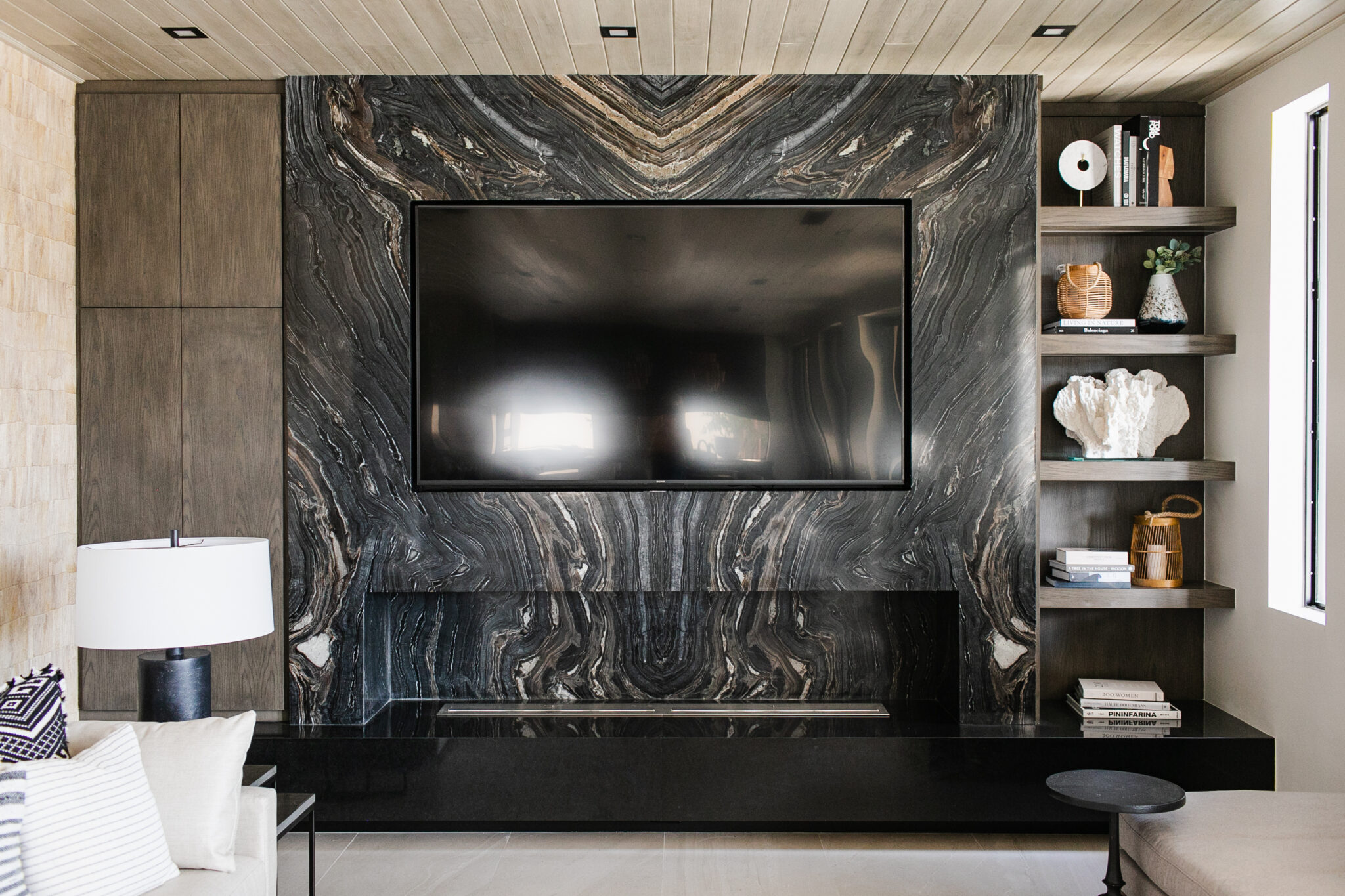
Are you all about that classic holiday fireplace feel, or do you prefer sleek and modern? This is important when both building AND styling your fireplace. Fireplaces are so much more than keeping you warm! Consider how you'll use the space—will it be a cozy reading nook, a movie night hotspot, a moody dinner ambiance, or a gathering spot for game nights? Tailor your design to fit your lifestyle and make the most of your fireplace.
Interior Design by Krista + Home. Photography by Eve Greendale.
FUNCTION + STYLE
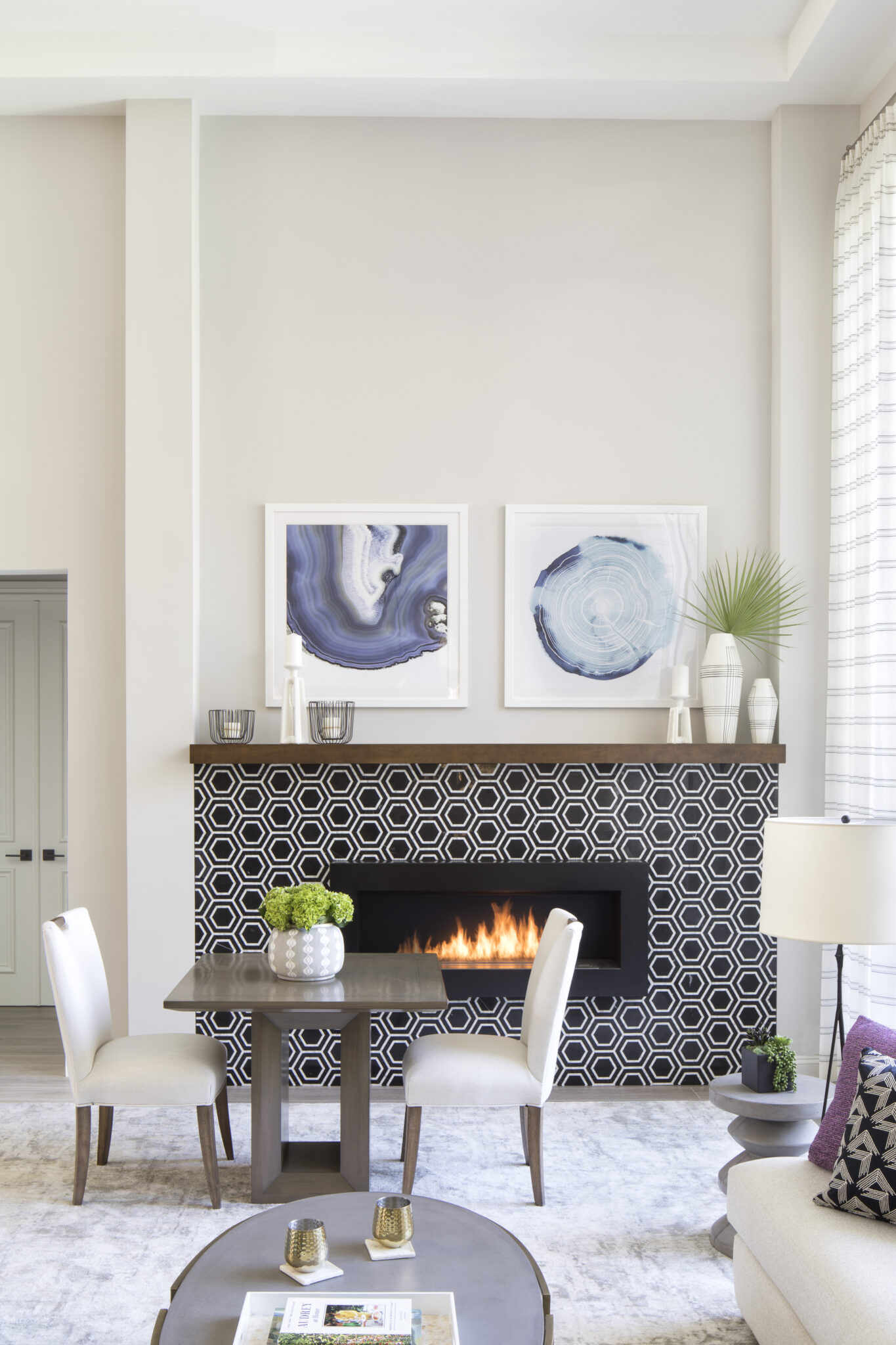
When choosing your fireplace, think about both form and function. Look for models that match the aesthetic you're looking for, and also give the right amount of heat you need. Don't forget about the space around your fireplace; think about the mantel and the hearth. How much space do you want to add stylistic decor? Fireplace material can be fun to select. Brick is always a classic- think about painting it for an update! You can also go for a fun tile to add some art to your space. But remember, make sure the material can withstand the heat of your fire. A fireplace is a great focal point in any room, make sure you make it pop!
Interior Design by Krista + Home. Photography by Jessica Glynn.
STYLING
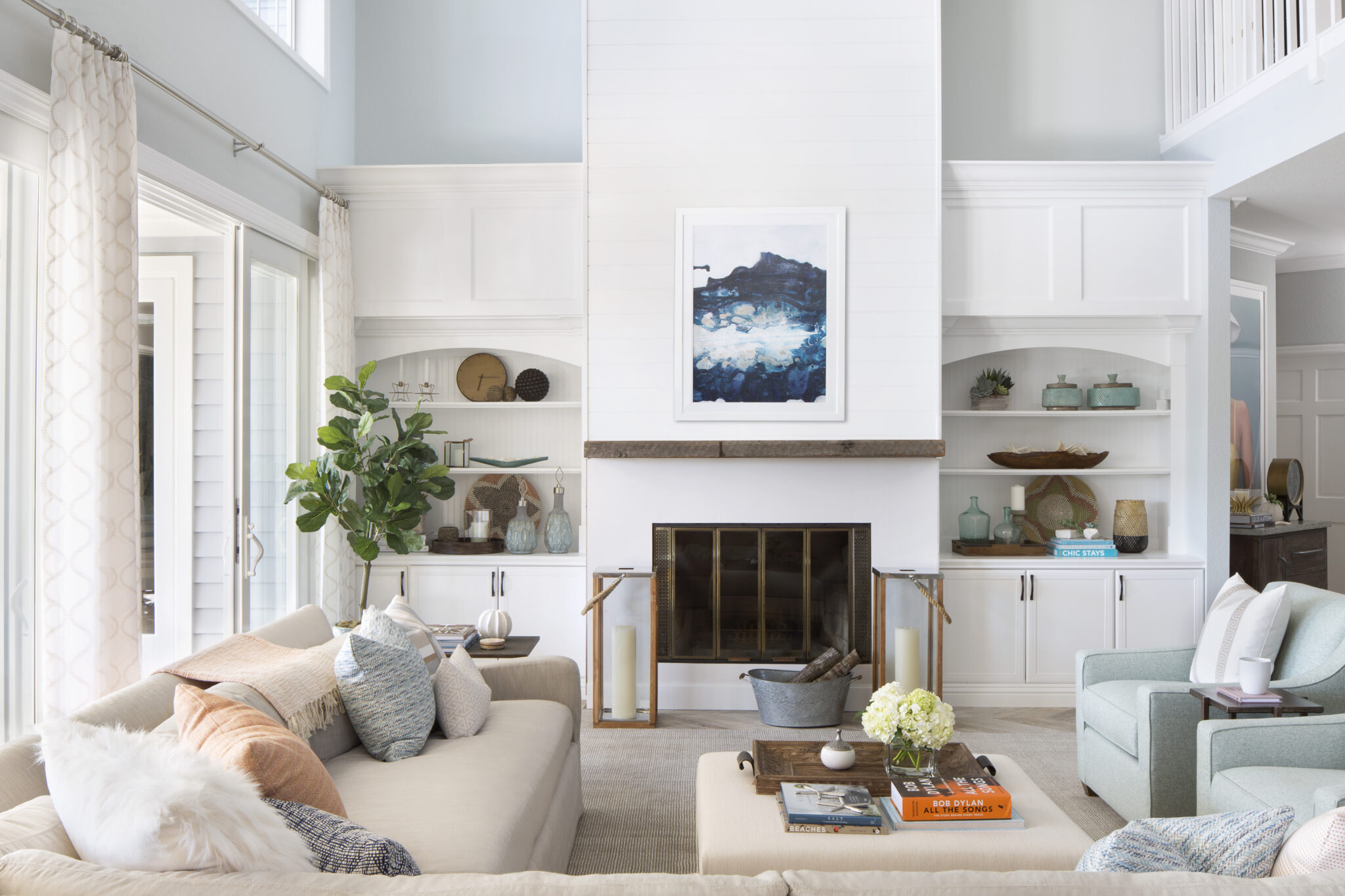
Creating balance around your fireplace is the most important, yet also the most overlooked part of design. Arrange your furniture so it centers around the fireplace, add accessories to the mantel and the hearth, and think of items in odd numbers when adding accessories. Candles, lamps, books, plants, frames, and small decorative items are always a good way to cozy up the star of the show. A TV, a piece of art, or a mirror are always great options to place above the fireplace if you have space to fill. These items are the "cherries on top" of the coolest part of your space. Make it personal, make it fun!
Think "Balance + Personality"
Interior Design by Krista + Home. Photograph by Jessica Glynn.
Selecting Furniture for Optimum Comfort and Style
When purchasing furniture most people think of two things: Style and Function. Unfortunately, they often think about one and neglect the other.
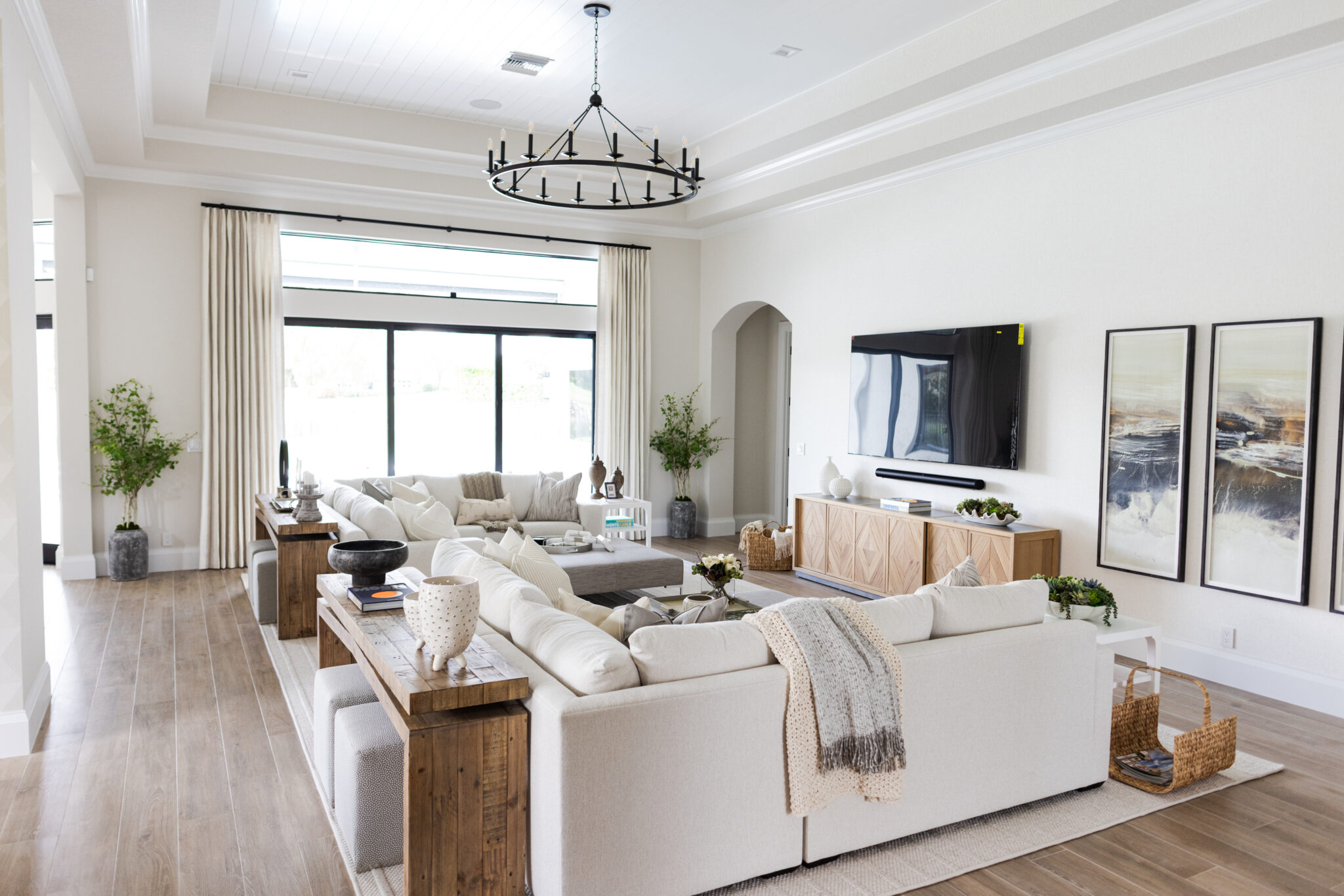
Furniture is an expression of your style, personality, and lifestyle. Whether you're furnishing a new home, refreshing your space, or simply looking for that perfect piece to complete the look, choosing the right furniture is essential to achieving your desired aesthetic and creating a comfortable and livable space.
Interior Design by Krista + Home. Photography by Eve Greendale.
Function
While style is important, functionality should come first. Do you need a desk for a home office? Before choosing what looks nice, consider the electronics you need, storage for office supplies, space for writing, etc. Be honest with yourself, if you’re someone with a lot of papers, pens, and junk then a writer's desk with limited storage might not be the right fit. Consider how you use each space in your home and choose furniture that meets your specific needs. Imagine buying a beautiful couch only to realize that when you come home after a long day at work it’s uncomfortable, scratchy, or too small to relax on.
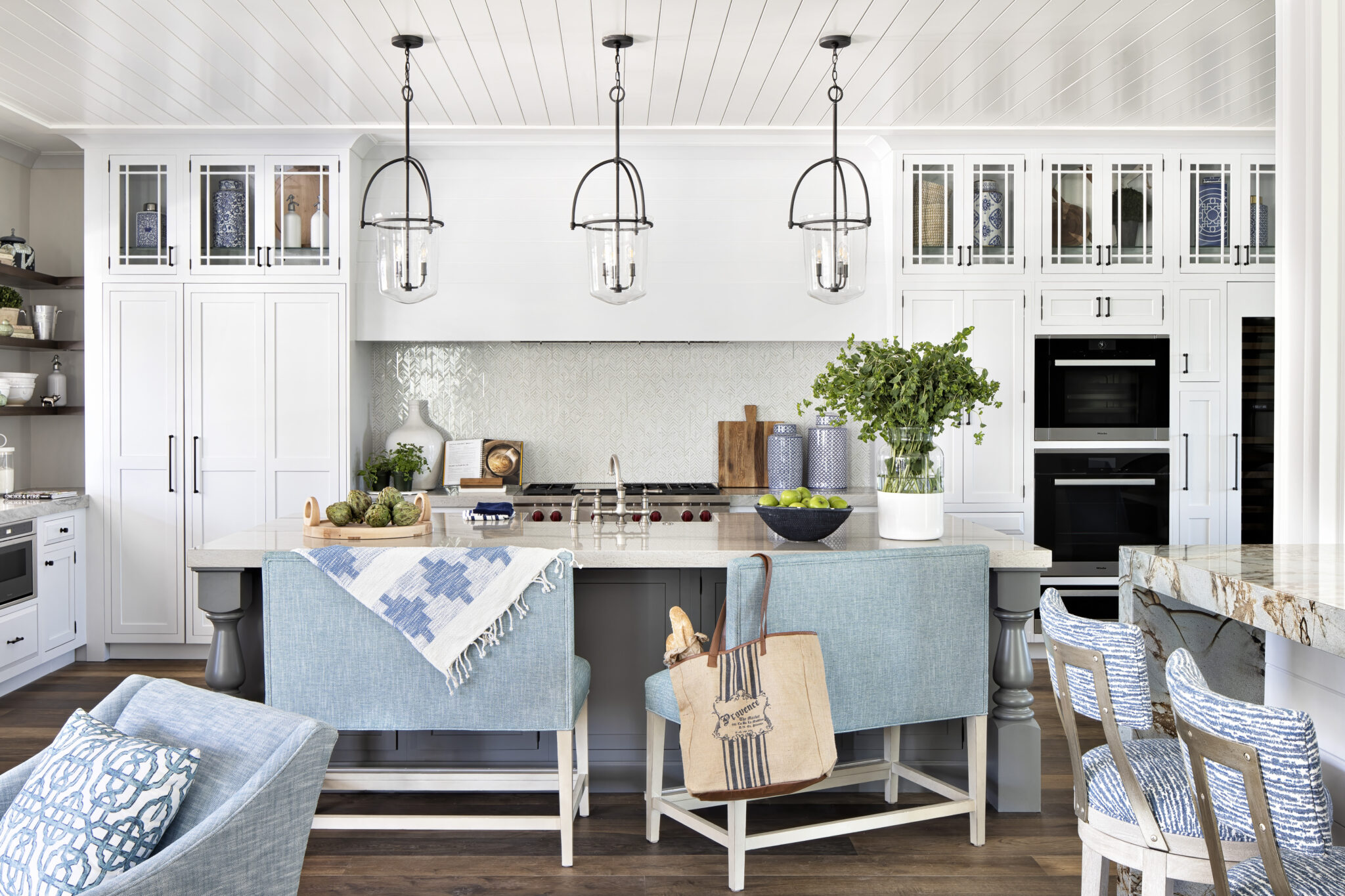
Interior Design by Krista + Home. Photography by Jessica Glynn.
Size
One of the most common mistakes in furniture selection is overlooking the importance of scale and proportion. Before making a purchase, measure your space carefully and consider the size of the room, doorways, and any obstacles that may affect furniture placement. If you have limited space, look for multifunctional furniture pieces like storage ottomans or extendable dining tables that maximize space without sacrificing style. Not only do you need to make sure the couch is a good size for your living room but, did you purchase a bed? Make sure your nightstands are the right height. Make sure your barstool's arms fit nicely underneath the counter. Choose furniture that is the correct scale and goes with your other pieces in the room.
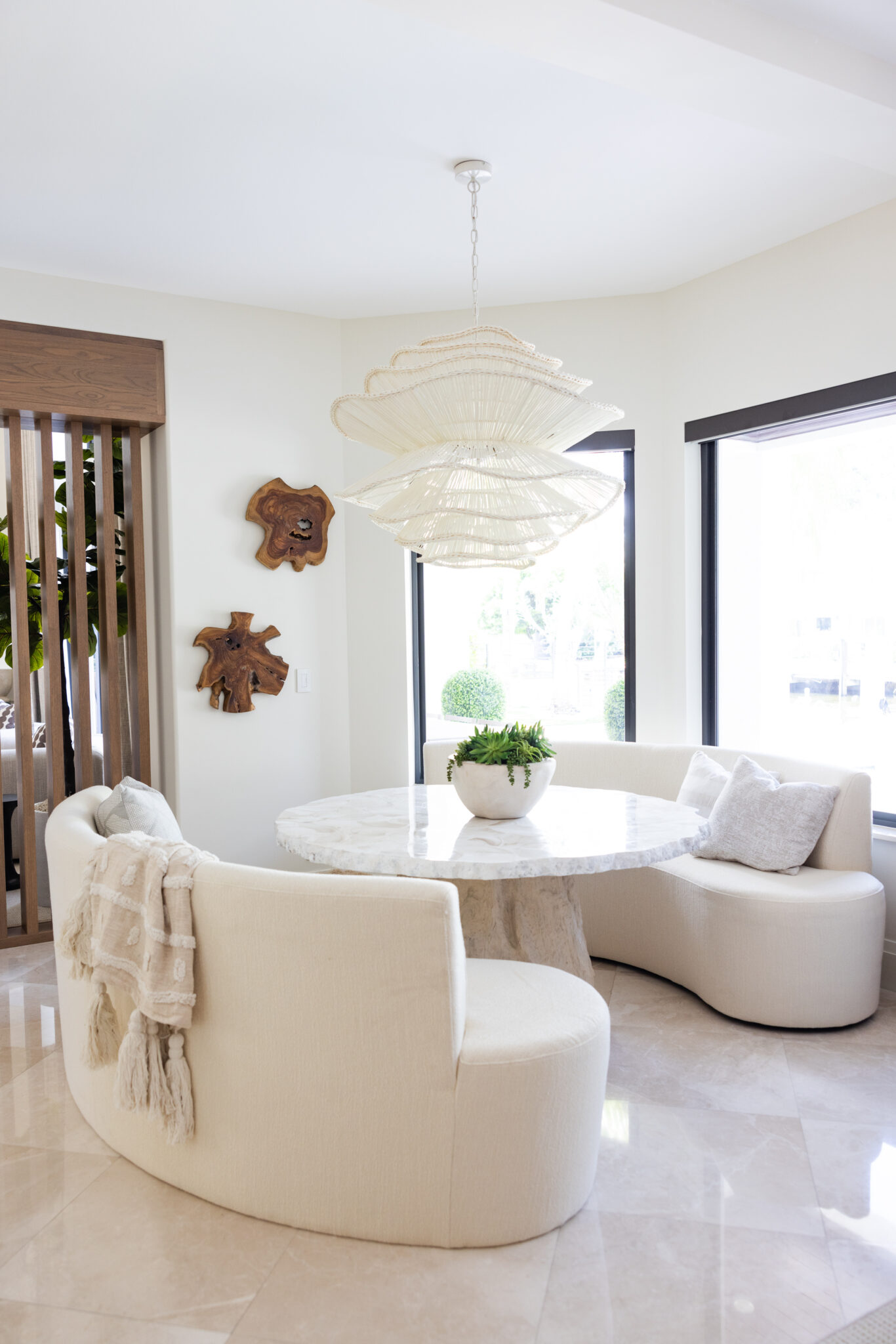
Interior Design by Krista + Home. Photography by Eve Greendale.
Style
Style is the fun part. After you have decided what you need from your new piece of furniture, deciding on the style will be fun. Look at trends in furniture, take style quizzes online, and figure out if you gravitate towards traditional, mid-century, vintage, etc. This will help you narrow down your search. Don't settle, there is enough furniture out there to be both functional and stylish.
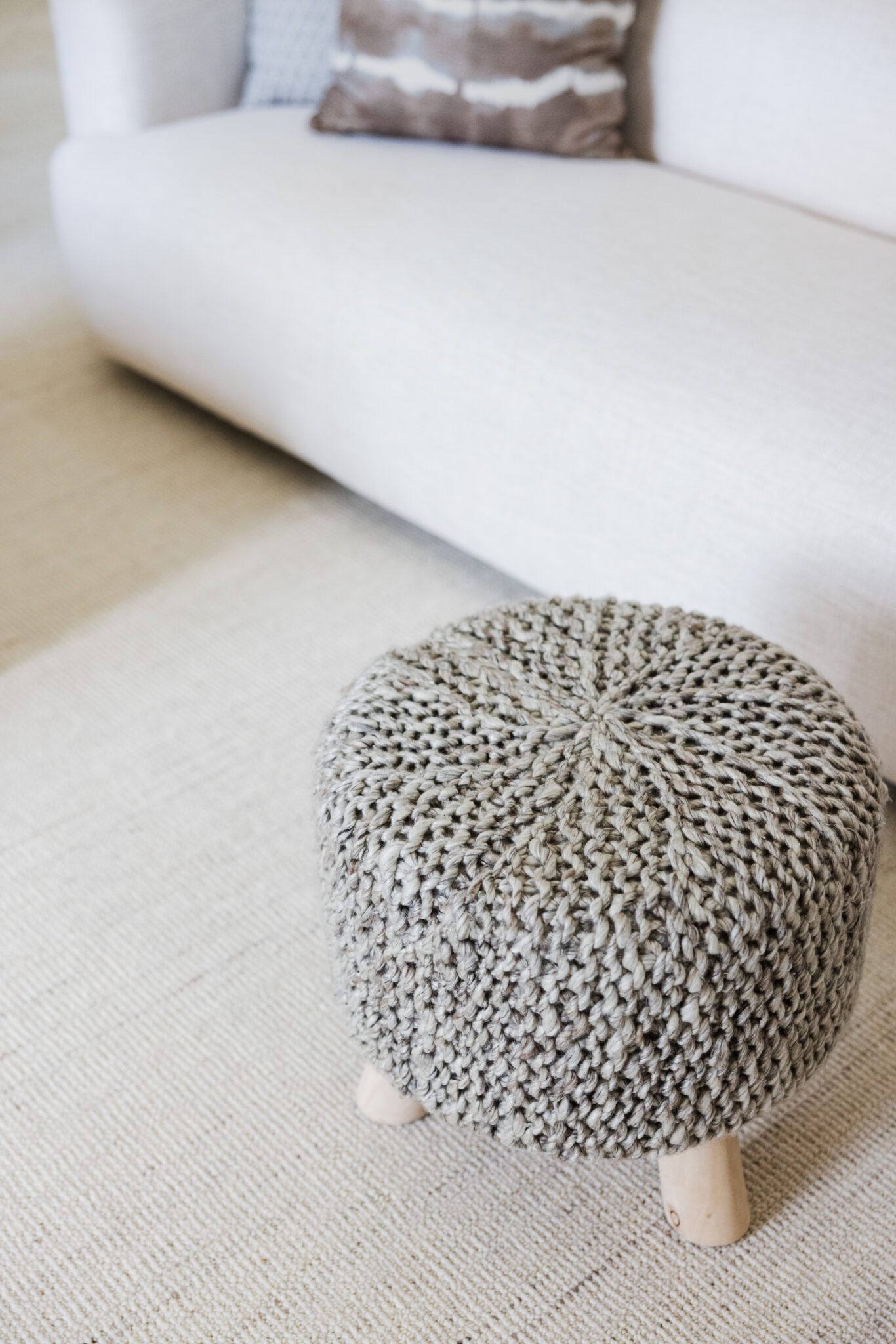
Interior Design by Krista + Home. Photography by Eve Greendale.
Fabric
Investing in quality furniture is essential to creating a functional and stylish home. Look for well-crafted pieces made from durable materials like solid wood, hardwood frames, and high-quality upholstery fabrics. We love using outdoor fabrics inside. They are durable and designers are increasingly creating softer fabrics that you would never know are for the outside. Love a certain fancy white fabric but have a small child - or an adult who acts like one - who might spill? Something that is easily cleaned or can hide small stains may be a smarter option.

Interior Design by Krista + Home. Photography by Eve Greendale.
Test it Out
Comfort is key when selecting furniture. Test out furniture pieces in person whenever possible. Sit on sofas and chairs, test the drawers in your dresser, rest your feet on the ottoman, and make sure they meet your expectations. Pay attention to details like cushion firmness, seat depth, and ease of use to ensure a comfortable and enjoyable experience.
Happy Shopping!